
Flowers
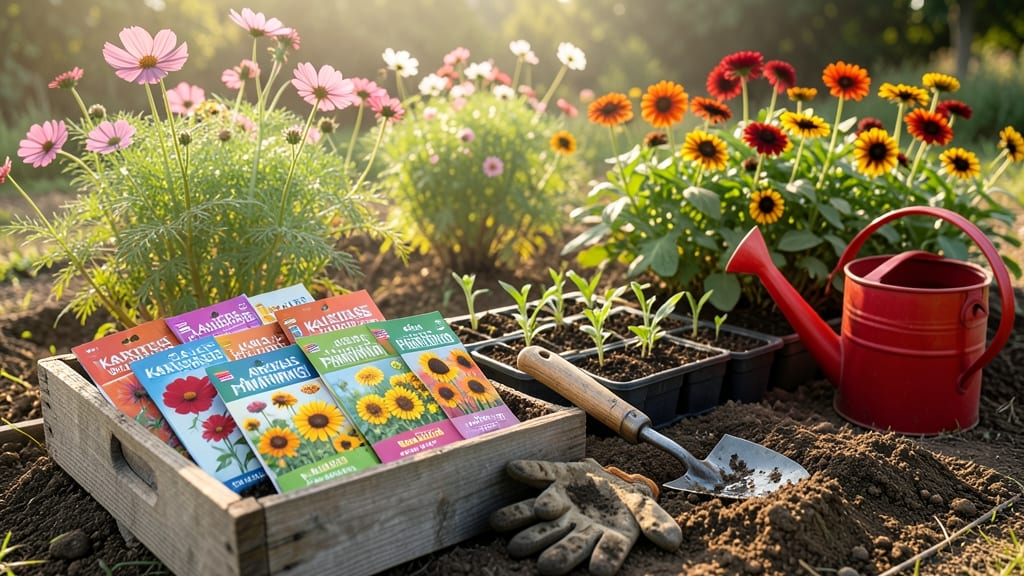
Planting flower seeds in Kansas at the right time means the difference between a garden bursting with color 🌸 and one that never quite takes off. The key? Timing it after the last frost—usually around mid-April—but knowing your exact microclimate makes all the difference, especially in Zone 6b.
Miss that window, and you risk seedlings freezing under late-spring frost or wilting in summer heat before they even bloom. I’ve seen gardens thrive in one part of town only to struggle a block away, where the soil stays cooler longer.
That’s why local frost dates and soil temperatures matter more than just the calendar.
Below, I’ll break down the exact planting windows for Kansas-adapted flowers—annuals like zinnias, perennials like coneflowers, and cool-season favorites—plus how to adjust for your specific corner of the state. No more guessing whether your seeds will make it to summer.
You’ll also find a simple calendar with frost-free averages for Kansas City and Wichita, plus tips for extending seasons with row covers or choosing heat-tolerant varieties. Let’s get those seeds in the ground at the perfect moment.
Kansas flower seed planting calendar: exact dates by seed type (Zone 6b)
In Kansas (Zone 6b), the difference between a thriving flower garden and a failed planting often comes down to timing. With average last frost dates around April 15 and first frosts hitting October 15, you have a narrow window to sow seeds successfully.
Annuals like petunias and zinnias need warm soil, while perennials like coneflowers can handle cooler temperatures. Below, I’ve broken down the exact month-by-month schedule for Kansas City and Wichita, so you can plant with confidence.
For spring planting, focus on March through May—but wait until soil temperatures hit at least 60°F. Cool-season flowers like pansies and snapdragons can start indoors in February, while heat-loving zinnias should wait until after May 1.
Fall planting for cool-season varieties begins in August, with a final push in September to ensure blooms before frost.
Here’s your Kansas flower seed planting calendar, tailored for Zone 6b’s unpredictable weather. Use this as your guide to maximize blooms and minimize losses from late frosts or summer heat.
For annual flowers like petunias and zinnias, timing is critical. If you plant zinnias too early, they’ll bolt in the heat. Wait until after May 1 when soil temperatures consistently stay above 6
How to adjust planting times for Kansas’ microclimates and frost risks
Kansas’ diverse microclimates make planting flower seeds a balancing act between late-spring frosts and summer heatwaves. Northern regions like Hays and Salina (Zone 5b) often face May frost risks, while southern areas like Wichita and Garden City (Zone 7a) can experience 100°F+ temperatures by July.
Understanding these patterns lets you extend your growing season and protect delicate blooms.
One of my favorite tricks is using row covers or cold frames to shield tender seedlings from unpredictable frost. These simple tools can push your spring planting window by 2-3 weeks, giving heat-loving flowers like marigolds and zinnias a head start.
For southern Kansas, I opt for heat-tolerant varieties such as Lantana or Portulaca, which thrive in full sun and drought conditions.
⚠️ callout-warning ⚠️
⚠️ Late-Spring Frost Hotspots in Kansas
Kansas isn’t just one climate—it’s a patchwork. Higher elevations (e.g., Flint Hills) can have 10°F colder nights than nearby valleys. Even in April, a 28°F dip is possible. Use these rules:
- North/Central KS: Wait until May 1 for heat-lovers like tomatoes or petunias.
- South KS: Plant heat-tolerant annuals (e.g., sunflowers) by April 15.
- Urban areas: Concrete heat raises soil temps—adjust for earlier planting.
Pro Tip: Check local weather stations (like Kansas Mesonet) for real-time frost alerts.
For fall planting, I swear by succession sowing cool-season flowers like pansies or snapdragons in August. These blooms handle light frosts and even add color to winter if protected.
In Zone 6b, aim to plant 6-8 weeks before your first frost (typically October 15), but push to September 1 for hardier types like calendula.
Another game-changer is soil warming. Dark mulch or black plastic raises ground temps by 5-10°F, helping slow-starting seeds like delphiniums germinate faster. I’ve seen 30% faster growth in April using this trick—critical for beating late frosts.
Pair it with drip irrigation to maintain consistent moisture without wetting foliage (which invites fungal diseases).
Don’t overlook windbreaks either. Kansas’ prevailing winds can desiccate seedlings or blow away row covers. A tall hedge or corn stalks on the north side of your garden can reduce wind speeds by 50%.
I’ve protected baby cosmos from windburn this way, ensuring they reach full height without stress.
Finally, monitor your garden’s microclimate like a hawk. A shady corner might stay 5°F warmer at night than an open bed, while a south-facing slope could ripen tomatoes weeks earlier.
Use a soil thermometer to track temps—60°F+ is ideal for most flower seeds, but cool-loving varieties like lobelia prefer 50-55°F. Adjust your planting calendar accordingly.