
Companion Plants
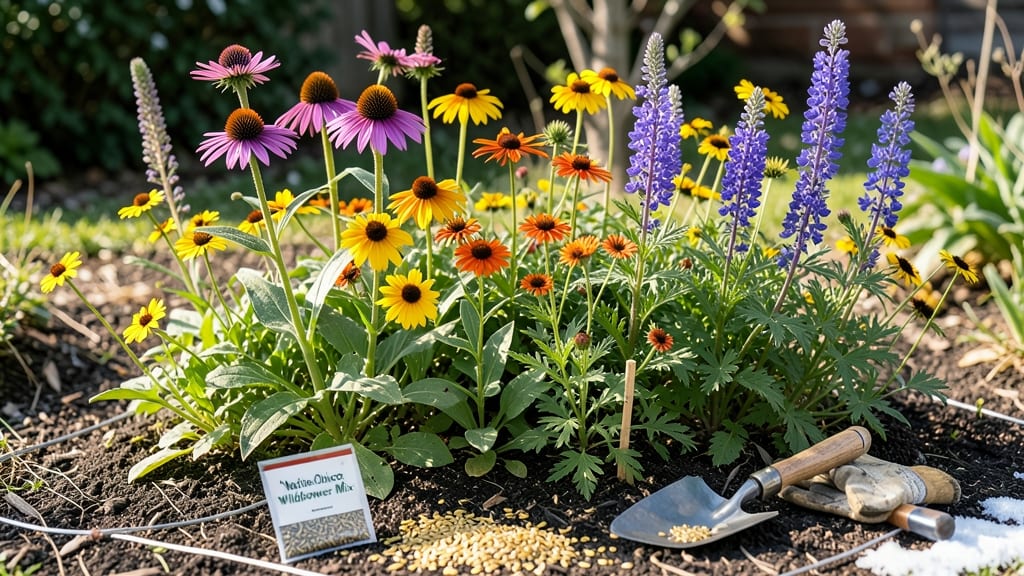
You can plant wildflower seeds in Ohio during early spring or late summer—timing that aligns with Ohio’s USDA Zone 6a climate and avoids frost risks.
Ohio’s diverse climate—from frost-prone northern regions to milder southern zones—can make wildflower planting tricky. Plant at the wrong time, and your meadow might struggle to thrive. But with the right timing, you’ll unlock vibrant blooms that attract pollinators and transform your landscape.
Spring planting (March–April) gives seeds a head start before summer heat, while fall planting (August–September) takes advantage of cooler temps and winter moisture. Both windows work, but your zone and soil prep make all the difference.
Below, I break down the best months for your area, soil prep tips, and how to choose seeds that thrive in Ohio’s 165 frost-free days. Ready to turn your yard into a pollinator paradise?
Ohio’s USDA zones: best wildflower planting months by region
Ohio spans USDA Zones 4a to 6b, creating distinct planting windows for wildflowers. In colder northern zones like Zone 4a, frost lingers until mid-May, while southern Zone 6b enjoys frost-free soil by early April.
Timing your planting to soil temperatures and frost risks ensures strong germination and survival through Ohio’s unpredictable springs.
For all zones, early spring (March-April) and late summer (August-September) are ideal windows. Spring planting capitalizes on consistent moisture after winter, while fall planting lets seeds establish roots before winter dormancy. However, Zone 4a gardeners face higher risks of late frosts, requiring extra protection for early spring sowings.
Soil temperature is critical—most wildflower seeds need 40-60°F soil temps to germinate. In Zone 5b-6b, this typically occurs by mid-April, while Zone 4a may wait until late April or early May.
Always check soil temps with a soil thermometer or wait until 3-4 weeks after last frost for safer planting.
Drought is another Ohio-specific challenge, especially in Zone 6b’s drier southern regions. Planting in late summer ensures seeds germinate before fall rains taper off, while spring planting requires consistent watering until seedlings establish deep roots. Mulching with straw or wood chips helps retain moisture in both seasons.
Northern Ohio’s Zone 4a gardeners should prioritize fall planting (August-September) for most wildflower species. Seeds planted in late summer germinate in spring when soil warms, avoiding frost risks. For spring planting, wait until after May 15 to reduce frost damage to tender seedlings.
In Zones 5a-6a, both spring and fall planting work well. Spring plantings in March-April benefit from Ohio’s wetter early spring, while fall plantings in September take advantage of cooler temps and reduced weed competition.
Zone 6b’s milder climate allows for earlier spring plantings (February-March) if soil isn’t frozen.
| USDA Zone | Last Frost Date | Best Spring Planting | Best Fall Planting | Soil Temp Requirement | Key Risks |
|---|---|---|---|---|---|
| 4a (Northeast Ohio) | May 15 | Late April–May 15 | August 15–September 15 | 45–55°F | Late frosts, winter dieback |
| 5a (North-Central) | April 30 | March 15–April 30 | August 1–September 15 | 40–50°F | Spring droughts |
| 5b (Central Ohio) | April 15 | March 1–April 15 | August 15–September 30 | 40–55°F | Weed competition |
| 6a (Southwest Ohio) | April 1 | February 15–March 31 | September 1–October 15 | 40–60°F | Summer drought |
| 6b (Southern Ohio) | March 15 | February 1–March 15 | September 15–October 15 |
Fall vs. spring planting: which works better for Ohio wildflowers?Deciding between fall and spring planting for Ohio wildflowers depends on your USDA zone and the types of seeds you’re using. Both seasons offer unique advantages, but Ohio’s variable climate—especially in colder northern regions—can make one timing far superior for your specific location. In Zone 4a (northwest Ohio), for example, winter dieback is a real risk, while Zone 6b (southern Ohio) enjoys milder winters. Understanding these differences helps you choose the best time to plant native wildflowers like black-eyed Susans or coneflowers for long-term success. Spring PlantingPros
Cons
Fall PlantingPros
Cons
For northern Ohio (Zones 4a–5a), fall planting is often the safer bet. Seeds like purple coneflower and butterfly milkweed benefit from cooler temperatures, which reduce stress on young plants. Aim to sow seeds 6–8 weeks before your first frost, typically between mid-August and early September. In southern Ohio (Zones 5b–6b), spring planting can be equally successful, especially for perennial wildflowers like black-eyed Susan. Plant seeds in early April once soil temperatures reach 50°F or warmer. This timing gives seedlings a head start before summer heat arrives. If you’re unsure which season works best, consider a split planting approach. Sow half your seeds in late summer and the other half in early spring. This strategy helps ensure a continuous bloom cycle and reduces the risk of complete failure due to unpredictable weather. Remember, Ohio’s variable rainfall and soil conditions play a huge role. Always prepare your soil by removing weeds, loosening the top layer, and adding a thin layer of compost before planting—regardless of season. With the right timing and care, your wildflower meadow will thrive year after year. 🌼 |