
Flowers
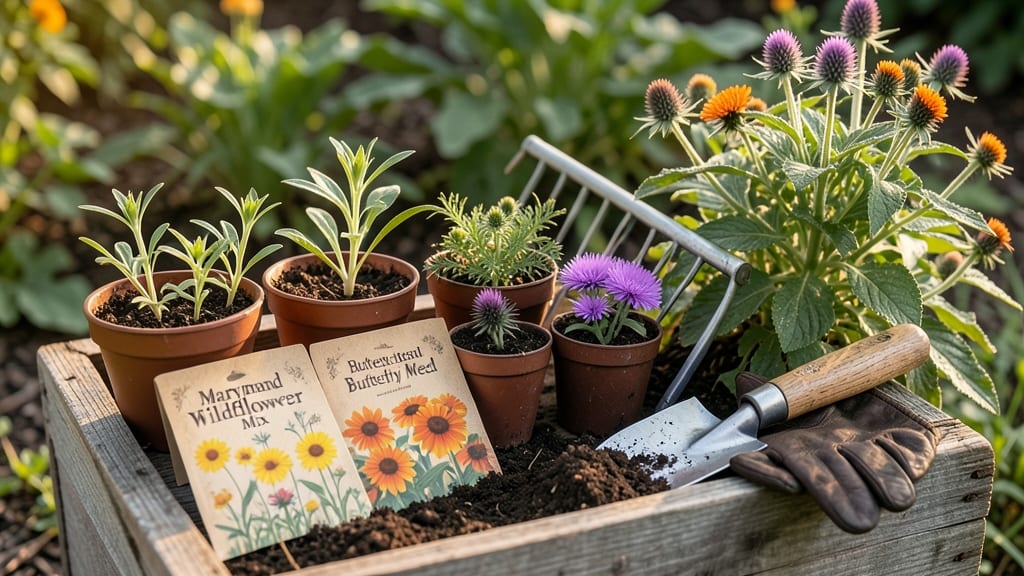
Planting wildflowers in Maryland at the right time means the difference between a year-round burst of color and a patch of weeds.
Maryland’s diverse climate—from coastal breezes to Piedmont hills—creates the perfect canvas for wildflowers that thrive year-round, but timing your planting is key to unlocking vibrant blooms. Miss the window, and you’ll spend summers chasing blooms instead of enjoying them.
For Maryland gardeners in zones 6a-8a, the best times to plant are early spring (March-April) or early fall (September-October). These periods give seeds the ideal conditions to germinate before summer heat or winter frost sets in.
Below, I’ll walk you through the exact planting schedule for your region, the top native wildflowers to choose, and how to keep them blooming from spring to fall—without the guesswork.
Best planting times for Maryland wildflowers by season and region
Maryland’s three distinct regions—Coastal Plain, Piedmont, and Mountain—each offer unique microclimates that influence when to plant wildflowers for maximum success. Coastal areas enjoy milder winters, while Mountain zones face earlier frosts, creating a 6-week window difference in optimal planting times.
Understanding these variations ensures your wildflowers establish strong roots before extreme weather arrives.
For spring planting, aim to sow seeds 4-6 weeks before your last frost date, typically between mid-March and early April in most of Maryland. Fall planting, however, offers a longer window—September through early October—allowing plants to develop roots before winter dormancy.
This timing also helps avoid summer heat stress, which can stunt young seedlings.
Here’s how Maryland’s three regions differ in their ideal planting schedules, along with native species that thrive in each:
| Region | Spring Planting Window | Fall Planting Window | Best Native Species | Key Considerations |
|---|---|---|---|---|
| Coastal Plain (Zone 7b-8a) | Late March–Early April | Mid-September–Late October | Coreopsis, Black-Eyed Susan, Beach Pea | Warmer soils; avoid salt-affected areas |
| Piedmont (Zone 6b-7a) | Mid-March–Mid-April | Early September–Early October | Purple Coneflower, Butterfly Weed, Goldenrod | Well-drained soil; watch for clay buildup |
| Mountain (Zone 6a-6b) | Early April–Mid-April | Late August–Early September | Trillium, Bloodroot, Wild Bergamot | Cooler temps; protect from late frosts |
In Coastal Maryland, where winters are 10-15°F milder than inland areas, you can push spring planting slightly later—even into early April—without risking frost damage. Beach Pea and Coreopsis are excellent choices here, as they tolerate sandy, well-draining soils.
For fall planting, prioritize species like Black-Eyed Susan, which establishes roots quickly before winter.
For Piedmont gardeners, focus on September planting to give wildflowers time to root before first frost (typically mid-November). Purple Coneflower and Butterfly Weed thrive in this region’s loamy soils and attract pollinators year-round. If planting in spring, prepare beds 2 weeks early to warm the soil faster.
In Mountain Maryland, where last frost dates shift to late April, delay spring planting until after April 15 to avoid cold snaps. Wild Bergamot and Trillium are ideal for shadier, cooler microclimates.
For fall, plant by early September to prevent winter kill—these areas often see hard frosts by November 1.
Regardless of region, soil preparation is critical. Loosen the top 6 inches of soil and mix in compost to improve drainage, especially in clay-heavy Piedmont soils. Avoid over-fertilizing—wildflowers thrive in low-nutrient conditions and may become leggy with excess nitrogen.
Mulch lightly after planting to retain moisture without suffocating seedlings.
Pro tip: Use seed tape or pelletized seeds for precise placement, especially in rocky Mountain gardens. This method reduces the need for thinning and ensures even coverage.
For large meadow plantings, broadcast seeds by hand and lightly rake to bury them ¼ inch deep—no deeper, or they won’t germinate.
Timing isn’t just about months—it’s about weather patterns. Check your local USDA Hardiness Zone and monitor soil temperatures (aim for 60°F+ for spring planting). Coastal areas may see warmer soils 2 weeks earlier than Piedmont, so adjust accordingly.
By aligning your planting with Maryland’s natural rhythms, you’ll enjoy vibrant blooms from spring to fall.
🌼
Top 5 native Maryland wildflowers for year-round color and pollinator support
Maryland’s native wildflowers aren’t just beautiful—they’re pollinator powerhouses that thrive with minimal fuss. Black-Eyed Susan and Butterfly Weed lead the pack, offering season-long blooms while supporting bees, butterflies, and hummingbirds. These hardy perennials adapt to Maryland’s USDA zones 6a-8a, making them perfect for low-maintenance gardens.
For year-round interest, pair these stars with Purple Coneflower and New England Aster, which bloom from summer through frost. Their deep roots tolerate Maryland’s drought-prone summers, while Wild Bergamot adds fragrant purple spikes that attract native bees. Together, they create a pollinator paradise with minimal watering once established.
When to plant these Maryland natives depends on your goal: Spring planting (March-April) ensures first-year blooms, while fall planting (September-October) gives roots time to establish before winter. Most thrive in full sun to partial shade, with well-draining soil that mimics Maryland’s natural sandy loam.
| Wildflower | Best Planting Time | Bloom Season | Pollinator Benefit | Height (ft) |
|---|---|---|---|---|
| Black-Eyed Susan | March-April or Sept-Oct | Summer-Fall | Bees, Butterflies, Songbirds | 2-3 ft |
| Butterfly Weed | March-April or Sept-Oct | Summer-Fall | Monarchs, Bees, Hummingbirds | 1-2 ft |
| Purple Coneflower | March-April or Sept-Oct | Summer-Fall | Bees, Butterflies, Goldfinches | 2-4 ft |
| New England Aster | March-April or Sept-Oct | Late Summer-Fall | Bees, Butterflies, Late-Season Pollinators | 3-5 ft |
| Wild Bergamot | March-April or Sept-Oct | Summer-Fall | Native Bees, Hummingbirds | 2-4 ft |
My top pick for beginners is Black-Eyed Susan—it’s drought-tolerant, spreads easily, and blooms from July through October.
For butterfly gardens, Butterfly Weed is a must; its orange blooms lure monarchs and other pollinators. Purple Coneflower earns its place for medicinal benefits (used in teas) and long-lasting flowers that dry beautifully for arrangements.
To extend blooms, deadhead spent flowers in early summer to encourage second flushes. For fall planting, choose September over October to avoid early frosts in Maryland’s northern zones. Wild Bergamot thrives in moist soil, making it ideal for rain gardens or near ponds.
These native wildflowers require almost no fertilizer—just well-draining soil and occasional watering during Maryland’s hot, dry spells. Once established, they’ll self-seed, creating natural meadows that support local ecosystems. Start with just one or two species to test your site’s conditions before expanding.