
Landscaping
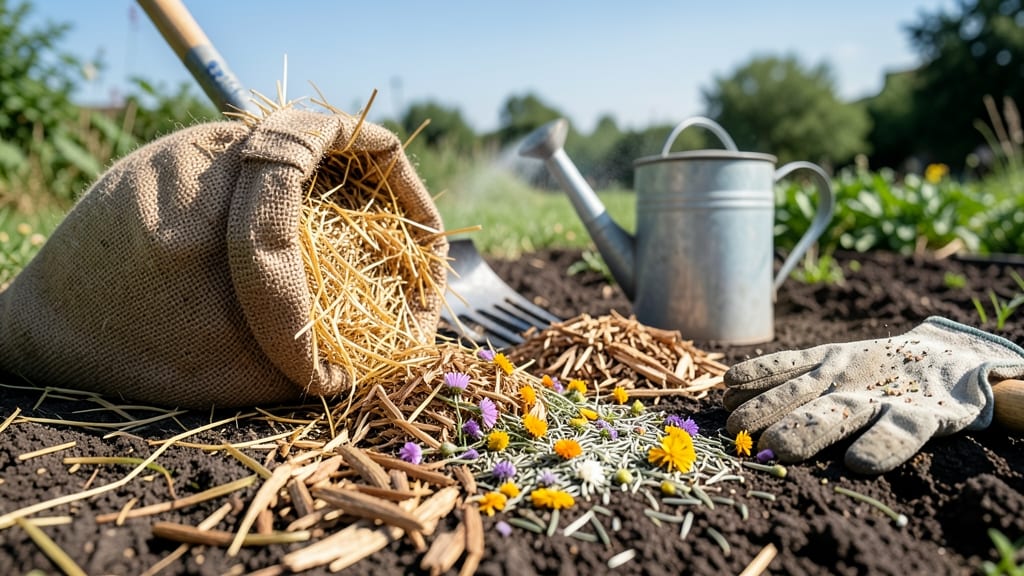
You can put mulch over wildflower seeds—but only if you choose the right type and apply it carefully. 🌼
Planting wildflower seeds is easy, but protecting them from erosion and weeds can be tricky—especially when you’re unsure about mulch. The wrong choice can smother delicate sprouts, while the right one creates an ideal environment for blooms.
Most wildflowers need light to germinate, so heavy mulch like thick straw or wood chips can block sunlight and stifle growth. Instead, opt for lightweight options like a thin layer of shredded leaves or a fine mesh fabric that allows water and air to reach the soil.
Below, I’ll walk you through the best mulch choices, when to apply them, and how to avoid common mistakes that could kill your wildflowers before they even sprout.
Why mulching wildflower seeds can work (and when to avoid it)
Wildflower seeds are delicate, and their success often hinges on the right balance of sunlight, moisture, and soil contact. Mulching can be a game-changer for erosion control and moisture retention, but it’s not a one-size-fits-all solution.
Many gardeners wonder if they can simply sprinkle mulch over newly planted seeds—the answer depends entirely on the seed type and your local climate.
Most wildflower seeds thrive when exposed to light for germination, meaning they don’t need—or even want—heavy mulch layers. However, some species, like lupines or poppies, prefer darkness to sprout.
Understanding these needs is critical before you reach for that mulch bag. The key lies in lightweight mulch options and strategic application timing.
Mulching can also help suppress weeds, which compete with wildflower seedlings for nutrients and sunlight. But too much mulch can create a heat barrier, trapping moisture and causing rot or fungal growth.
This is especially risky in hot, dry climates where mulch can bake the soil beneath it. My rule of thumb? Less is more when it comes to wildflower seeds.
For example, straw mulch is a popular choice because it decomposes slowly and allows light to penetrate. But even straw can be too thick if piled more than 1/4 inch deep.
The goal is to protect the soil without smothering the seeds or blocking sunlight, which many wildflowers need to germinate.
Another critical factor is the seed depth. Most wildflower seeds should only be covered with a thin layer of soil (1/8 inch max). Adding mulch on top of this can create a suffocating layer, especially if the mulch is dense or retains too much moisture.
This is where the risks of mulching become clear—over-mulching can kill sprouts before they even emerge.
Timing is everything. If you mulch too early, you might trap moisture and encourage mold. If you wait too long, erosion or weeds could take over before seedlings establish. The best time to add mulch is after germination, once seedlings have sprouted and are about 1-2 inches tall.
This gives them a fighting chance while still benefiting from weed suppression and moisture control.
Let’s address the biggest concern head-on: can you put mulch over wildflower seeds? The short answer is yes, but with caution. You’ll need to choose the right type of mulch and apply it correctly.
Below, I’ll outline the risks and how to mitigate them so you can make an informed decision for your garden.
⚠️ callout-warning
Most wildflower seeds need light to germinate. Applying mulch before sprouts emerge can block sunlight and trap excess moisture, leading to rot or fungal growth. Even lightweight mulches like straw or pine needles can be too thick if piled over 1/4 inch deep.
✅ DO: Use mulch only after germination (when seedlings are 1-2 inches tall).
❌ DON’T: Apply mulch directly over freshly planted seeds unless they require darkness (e.g., lupines).
💡 Pro Tip: Test your mulch’s thickness by holding it up to light—if you can’t see through it, it’s too dense for wildflower seeds.
Now that we’ve covered the risks, let’s explore the benefits of mulching wildflowers. When done correctly, mulch can reduce soil erosion, especially in sloped areas or windy climates. It also helps maintain even moisture levels, which is crucial during dry spells.
For example, in my Zone 6a garden, a light layer of shredded leaves has kept wildflower beds hydrated without smothering new growth.
Another advantage is weed suppression. Wildflowers often compete with aggressive weeds like crabgrass or clover. A thin layer of mulch can block weed seeds from germinating while allowing sunlight to reach your wildflowers.
However, this only works if the mulch is thin and breathable. Heavy mulches like wood chips can suffocate seedlings and attract pests.
Not all mulches are created equal. Organic mulches like straw, pine needles, or shredded leaves break down over time, enriching the soil with nutrients. Inorganic options like landscape fabric or gravel provide long-term weed control but can overheat the soil.
For wildflowers, I recommend sticking to organic, lightweight options that allow water and air to penetrate.
If you’re planting wildflowers in a high-traffic area or a spot prone to erosion, mulching can be a lifesaver. Just remember to monitor the soil temperature—mulch can create a microclimate that’s too warm for some species.
For instance, black-eyed Susans may struggle if the soil stays too hot, while coneflowers tolerate slightly warmer conditions.
To summarize, mulching wildflower seeds can work if you use the right approach: lightweight materials, proper timing, and minimal depth. Avoid mulching until after germination, and always choose mulch that allows light and water to reach the soil.
With these guidelines, you’ll give your wildflowers the best chance to thrive without the risks of over-mulching.
Best lightweight mulch options for wildflower seed germination
Wildflower seeds need just the right conditions to sprout, and mulch can be a game-changer—if chosen wisely. Too much weight or thickness can smother tiny seedlings, while the right lightweight mulch preserves moisture, suppresses weeds, and protects seeds from erosion.
The key is selecting materials that allow sunlight and water to reach the soil while keeping sprouts safe.
Not all mulches are created equal. Organic options like straw and pine needles break down quickly, offering temporary protection, while inorganic choices such as landscape fabric or shredded leaves provide longer-lasting coverage.
Each has unique benefits, but some are better suited for wildflowers than others. Let’s break down the best lightweight choices and what to avoid.
Straw is my top recommendation for newly planted wildflower seeds because it’s ultra-lightweight and allows sunlight to reach the soil. A 1/4-inch layer is ideal—enough to protect seeds from birds and erosion but thin enough to avoid smothering. It breaks down quickly, so you won’t need to replace it often, and it’s easy to find at garden centers.
Pine needles are another excellent choice, especially if your wildflowers thrive in acidic soil. They’re lightweight, slow to decompose, and even repel slugs. However, avoid using them if your wildflowers prefer neutral or alkaline soil, as they can lower pH over time.
A 1/2-inch layer is plenty—any thicker, and you risk blocking sunlight.
For a more permanent solution, consider landscape fabric, but use it sparingly. A single layer allows water and air to penetrate while blocking weeds. The catch? It can overheat the soil in hot climates, so remove it once seeds sprout.
Pair it with a light mulch layer on top to balance temperature and moisture.
If you’re looking for a budget-friendly option, shredded leaves work well—but only if they’re dry and free of pests. A 1/2-inch layer improves soil structure over time and retains moisture. Just avoid compacting them, as this can suffocate seeds. For best results, mix them with straw for extra airflow.
No matter which mulch you choose, keep it thin and monitor your seeds. Wildflowers need sunlight to germinate, so avoid heavy or thick layers. If you notice sprouts struggling, gently remove excess mulch to give them a fighting chance.
With the right approach, mulch can be your wildflower garden’s best ally.