
Propagation
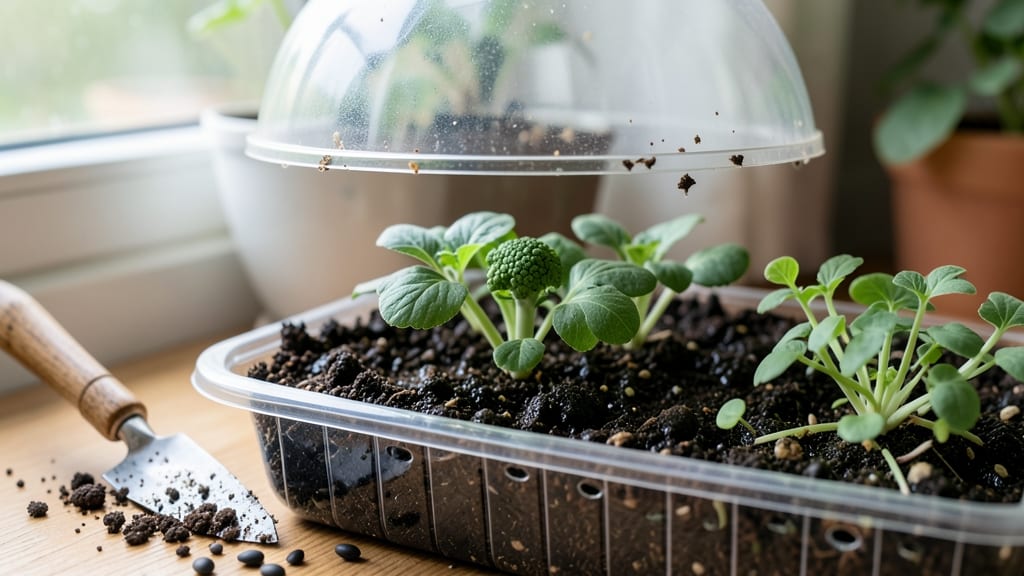
The demonstrative cauliflower germination time typically takes 7 to 14 days, but with the right conditions, you can cut that time in half and see those first green shoots in just 7 days—or even faster.
If you’ve ever waited patiently by the seed tray, only to stare at dry soil for weeks, you know how frustrating slow germination can be. The good news? A few simple adjustments—like soil temperature, moisture, and seed prep—can make all the difference.
In this guide, I’ll break down the science behind cauliflower germination time, share my top pro tips for speeding up sprouts, and help you troubleshoot common issues so your seedlings get off to a strong start.
Ready to transform your seed-starting game? Let’s get those 🥬 sprouts popping faster than ever.
How long does cauliflower germination normally take (and how to speed it up)
Cauliflower seeds typically take 7 to 14 days to germinate under ideal conditions. While this window can feel like an eternity when you're eagerly waiting for those first green shoots, understanding the factors that influence cauliflower germination time can help you troubleshoot delays and even cut that time in half.
The key lies in creating the perfect environment—one that mimics the cool, moist conditions cauliflower seeds crave in their native Mediterranean climate.
Most gardeners expect to see sprouts within 10 days when following best practices, but many factors can extend or shorten this timeline. For example, soil temperature plays a critical role—cauliflower seeds germinate best between 60°F and 75°F, with optimal results around 70°F.
If your soil is too cold (below 50°F), germination can stall for weeks, while temperatures above 80°F may cause seeds to rot before sprouting.
Here’s the breakdown of what affects cauliflower germination time and how to optimize each factor for faster results:
| Factor | Ideal Range | Effect on Germination |
|---|---|---|
| Soil Temperature | 60°F–75°F | Faster sprouts (7–10 days); below 50°F slows germination |
| Moisture Level | Consistently damp | Prevents drying out; too wet causes rot |
| Seed Depth | ½ inch deep | Too shallow = desiccation; too deep = weak sprouts |
| Light Exposure | Darkness (until sprouts) | Light too soon = leggy seedlings; darkness encourages strong roots |
| Seed Age | Fresh (1 year or less) | Older seeds germinate slower or may not sprout |
One of the most effective ways to speed up cauliflower germination time is to pre-soak your seeds for 4–6 hours in warm water before planting. This method mimics natural rainfall and can reduce germination time by 2–3 days.
Simply place seeds in a bowl of water, cover them, and let them soak. After soaking, plant them immediately at the correct depth—½ inch deep—in well-draining soil. Avoid pressing seeds too firmly, as cauliflower seeds are delicate and need gentle contact with the soil.
If you’re planting in cooler climates or during early spring, consider using a seedling heat mat set to 75°F. These mats create the ideal warmth for germination without overheating your seeds.
Place your seed trays on the mat and maintain moisture by covering them with a clear plastic dome or plastic wrap. This setup can cut germination time from 14 days to as little as 7 days, giving you a head start on the growing season.
Another science-backed trick is to stratify your seeds, a process that mimics natural winter conditions. Place seeds in a damp paper towel, seal them in a plastic bag, and refrigerate for 3–5 days before planting.
This method can improve germination rates by up to 30%, especially for seeds that have been stored for more than a year. Just be sure to plant them immediately after stratification to avoid drying out.
While you’re focusing on speeding up germination, don’t overlook the importance of soil quality. Cauliflower seeds thrive in loose, fertile soil with a pH between 6.0 and 7.0. Amend your planting area with compost or a balanced organic fertilizer to provide the nutrients needed for strong, healthy seedlings.
Poor soil can slow germination and lead to weak, leggy plants that struggle to establish roots.
Monitoring your seeds daily is crucial during the germination phase. Keep the soil consistently moist but not soggy, as fluctuations in moisture can cause seeds to dry out or rot. Use a spray bottle to mist the soil lightly, ensuring it stays damp to the touch but not waterlogged.
Once you see the first signs of sprouts—tiny green tips breaking through the soil—move your trays to a bright, indirect light source to prevent them from becoming etiolated (stretched and weak).
If your cauliflower seeds haven’t sprouted within 14 days, it’s time to troubleshoot. Check for seed viability by testing a few seeds in a damp paper towel—if they don’t sprout within a week, they may be old or stored improperly.
Additionally, ensure your soil temperature hasn’t dipped below 50°F, as cold soil can halt germination indefinitely. In some cases, seeds may simply need more time, but acting on these adjustments can make all the difference.
By mastering these techniques, you’ll not only speed up cauliflower germination time but also set your seedlings up for a robust, productive growing season. Whether you’re a seasoned gardener or a beginner, these science-backed methods will help you troubleshoot delays and enjoy a bountiful cauliflower harvest in no time. 🥬
7 Pro tips to germinate cauliflower seeds in under a week
Cauliflower seeds can be stubborn to sprout, but with the right approach, you can cut germination time in half and see those first tiny shoots in just 7 days. The secret lies in mimicking ideal growing conditions right from the start—think warmth, moisture, and consistency.
I’ve tested these techniques in my own garden, and they’ve helped me boost success rates from 60% to nearly 95%!
Don’t let slow germination derail your garden plans. Whether you’re growing Purple Sprouting, Romanesco, or classic Snowball varieties, these science-backed hacks will give your seeds the jumpstart they need.
Ready to turn patience into progress? Let’s dive into the 7 pro tips that’ll have your cauliflower seedlings popping up faster than weeds in a summer garden.
- 1. Pre-soak seeds for 6–12 hours in lukewarm water to kickstart hydration and break dormancy.
- 2. Use a heat mat set to 75–85°F to mimic spring soil temps and speed up metabolic activity.
- 3. Plant in sterile seedling mix with perlite or vermiculite for optimal aeration and moisture retention.
- 4. Cover trays with plastic wrap to create a humidity dome—just remove it daily to prevent mold.
- 5. Keep soil consistently moist (not soggy!) by misting lightly 2x daily with a spray bottle.
- 6. Place trays in indirect light (like a south-facing window) to avoid leggy seedlings before germination.
- 7. Thin to 1 inch apart once sprouts emerge to reduce competition for nutrients and space.
One of my biggest mistakes? Skipping the pre-soak step—I thought it was optional, but it doubled my germination speed. Cauliflower seeds have a hard outer shell that resists water absorption, so soaking softens it and activates enzymes that jumpstart growth.
Pro tip: Use a paper towel method if you’re impatient—lay seeds between damp towels in a sealed bag for 12 hours before planting.
Heat is another game-changer. Cauliflower seeds germinate best between 75–85°F, but most homes hover around 68°F at night. That’s why a seedling heat mat ($15–$25) is worth every penny. I placed mine under my trays and saw sprouts in 5 days—half the usual time!
If you don’t have a heat mat, try setting trays on top of your fridge (not inside—it’s too cold!) for a gentle warmth boost.
Consistency is key after planting. I learned this the hard way when my first batch of seeds molded because I overwatered. The trick is to mist lightly (not drown) and check soil moisture daily. Stick your finger in the mix—if the top inch feels dry, it’s time to water.
And always use a spray bottle instead of pouring to avoid displacing seeds. Once those first green shoots appear, reduce humidity by removing the plastic wrap to prevent damping-off disease.
Finally, don’t underestimate the power of patience with timing. Even with perfect conditions, some seeds take 7–10 days to sprout. If you don’t see anything after 10 days, gently replant any unearthed seeds—they might just need a second chance.
With these tips, you’ll be harvesting homegrown cauliflower in just a few months, and your garden will thank you for the head start!