
Flowers
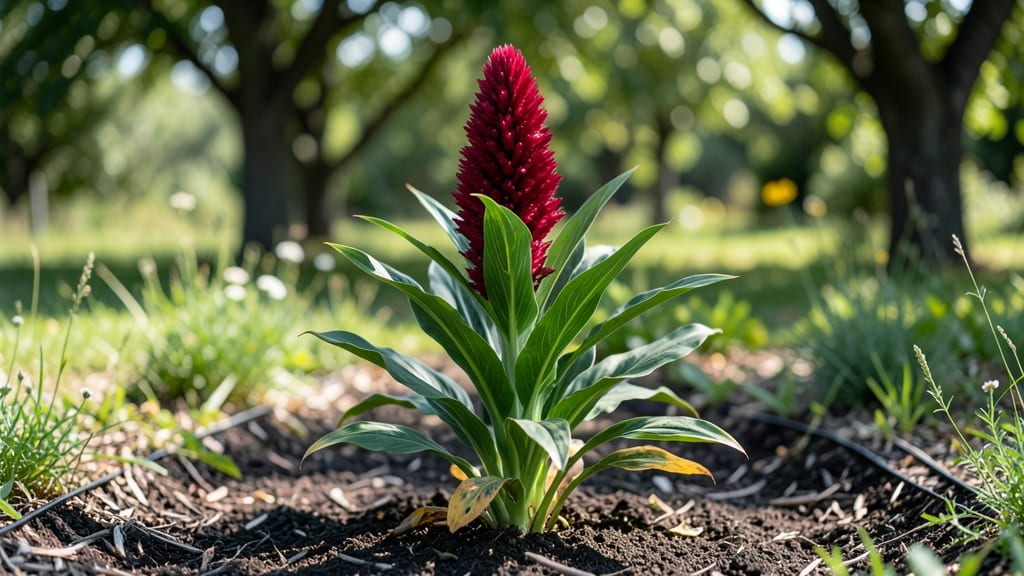
Celosia flower height can transform your garden from a sea of uniform blooms to a vibrant, layered masterpiece—if you know how to work with it.
If you're dreaming of vibrant, fireworks-like blooms but struggling to fit celosia into your garden's height zones, you're not alone—this striking annual comes in dramatic variations that can make or break your layout.
From 6-inch dwarf varieties perfect for edging to towering 3-foot giants that steal the show in the back of the border, celosia height is one of the easiest ways to add drama without sacrificing space.
In this guide, I’ll break down the key factors that determine celosia height—sunlight, soil, and variety—and share practical spacing hacks to keep your garden looking intentional, whether you want compact clusters or sky-high statements.

Celosia flower height variations: compact vs towering varieties explained
Celosia flowers are like nature's fireworks—bursting with color and drama—but their height variations can completely transform your garden design. Some varieties stay compact at 6–12 inches, perfect for borders, while others reach towering heights of 3–4 feet, ideal for back-of-bed statements.
Understanding these differences helps you place them strategically, whether you're filling a window box or creating a dramatic focal point.
I’ve grown celosia in everything from small containers to mixed perennial beds, and the height difference isn’t just about aesthetics—it impacts airflow, sunlight exposure, and even bloom longevity.
For example, dwarf varieties like 'Tom Thumb' thrive in tight spaces, while 'Cockscomb Giant' needs room to stretch its legs. Let’s break down the key differences so you can choose the perfect fit for your space.
| Variety | Height Range | Growth Habit | Best For |
|---|---|---|---|
| Dwarf Celosia ('Tom Thumb', 'Flame') | 6–12 inches | Bushy, mounded | Borders, containers, window boxes |
| Semi-Dwarf ('Impala', 'Solar Flare') | 12–18 inches | Upright but compact | Front of beds, small pots |
| Standard ('Cockscomb', 'New Look') | 18–24 inches | Tall, upright spikes | Mid-bed plantings, cut flowers |
| Towering ('Giant Cockscomb', 'Solar Power') | 24–48 inches | Bold, vertical growth | Back of borders, focal points |
If you’re working with limited space, dwarf celosia varieties are game-changers. I once filled a 12-inch-wide container with 'Flame' celosia, spacing them just 4 inches apart, and they created a colorful cascade without overpowering the surrounding petunias.
Their mounded shape also makes them ideal for edging pathways or softening hardscapes like stone walls.
On the other hand, towering celosia like 'Giant Cockscomb' demand more room. When I planted these in my backyard border, I gave them 18 inches of space between each plant to prevent crowding and disease.
Their vertical spikes add height and drama, but they also need supportive neighbors—think tall grasses or sunflowers—to avoid looking top-heavy.
For mixed beds, I love using semi-dwarf varieties like 'Impala' as a transition layer between low-growing annuals and taller perennials. Their 12–18-inch height bridges the gap beautifully, adding texture and color without stealing the show.
Pro tip: Pair them with salvia or snapdragons for a long-blooming combination that keeps your bed vibrant all summer.
One of the biggest mistakes I’ve seen is overcrowding taller celosia. When plants compete for nutrients and sunlight, their blooms become sparse and leggy. To avoid this, always follow the spacing guidelines for each variety.
For example, standard celosia should have 12–15 inches between plants, while towering types need 18+ inches to thrive.
Another trick I use is pruning for height control. If a towering celosia starts to flop, I’ll pinch back the tips to encourage bushier growth. This works especially well for 'Solar Power', which can get top-heavy in hot, humid climates.
Conversely, if you want to extend height, fertilize with a balanced 5-10-10 mix and stake them early to prevent bending.
Don’t forget about container gardening—celosia’s height variations make them perfect for vertical displays. In a 14-inch pot, a towering variety like 'New Look' can reach 3 feet tall, creating a stunning centerpiece.
Just ensure your container has drainage holes and use a lightweight potting mix to support the top-heavy blooms. For smaller pots, dwarf varieties like 'Tom Thumb' will spill over the edges beautifully.
Whether you’re designing a modern urban garden or a traditional cottage-style bed, celosia’s height variations give you endless possibilities. Start by choosing the right variety for your space, then let their vibrant plumes take center stage—just remember to give them the room they need to shine! 🌸
Optimal spacing hacks for celosia by height: avoid crowding & boost blooms
Proper spacing is the secret to maximizing celosia blooms while preventing competition for nutrients and sunlight. When planted too closely, your tall celosia varieties will lean or flop, while dwarf types may become leggy. The key lies in understanding each variety's mature size and adjusting spacing accordingly.
For dwarf celosia (like 'Impatient' or 'Tom Thumb'), aim for 6–12 inches apart in containers or borders. These compact varieties thrive in tight clusters but need airflow to prevent fungal issues.
Meanwhile, standard and tall types (such as 'Cockscomb' or 'Vintage') require 18–24 inches of space to develop their signature upright plumes.
| Variety Type | Mature Height | Optimal Spacing | Best For |
|---|---|---|---|
| Dwarf (e.g., 'Impatient') | 6–12 inches | 6–12 inches | Containers, borders, window boxes |
| Semi-Dwarf (e.g., 'Solar Flare') | 12–18 inches | 12–18 inches | Mixed beds, mass plantings |
| Standard (e.g., 'Cockscomb') | 18–24 inches | 18–24 inches | Back of borders, cut flower gardens |
| Tall (e.g., 'Vintage Flame') | 24–36 inches | 24–36 inches | Dramatic focal points, tall beds |
In small spaces, try companion planting with low-growing perennials like thyme or creeping phlox. These pairings create visual contrast while keeping celosia upright. For tall varieties, pair them with deep-rooted plants like lavender or Russian sage to minimize competition.
To control height naturally, use pruning techniques like pinching back leggy stems by one-third when plants are young. This encourages bushier growth and prevents flopping. For container gardening, choose dwarf varieties or mix celosia with trailing plants like sweet potato vine to fill space vertically without overcrowding.
Remember, overcrowding leads to pale blooms and weak stems, while proper spacing ensures vibrant, long-lasting flowers. Test your spacing by planting a small group first—you’ll quickly see how much room your celosia truly needs to shine.
For urban gardens, consider vertical gardening with tall celosia varieties. Use trellises or stakes to guide their growth upward, freeing up ground space for other plants. This hack works especially well for 'Vintage' series celosia, which can reach 3 feet tall with proper support.
When in doubt, follow the "rule of thumb": space celosia at least half their mature height apart. This simple guideline works for most varieties and ensures your garden stays balanced and blooming all season. 🌸🌿✂️