
Flowers
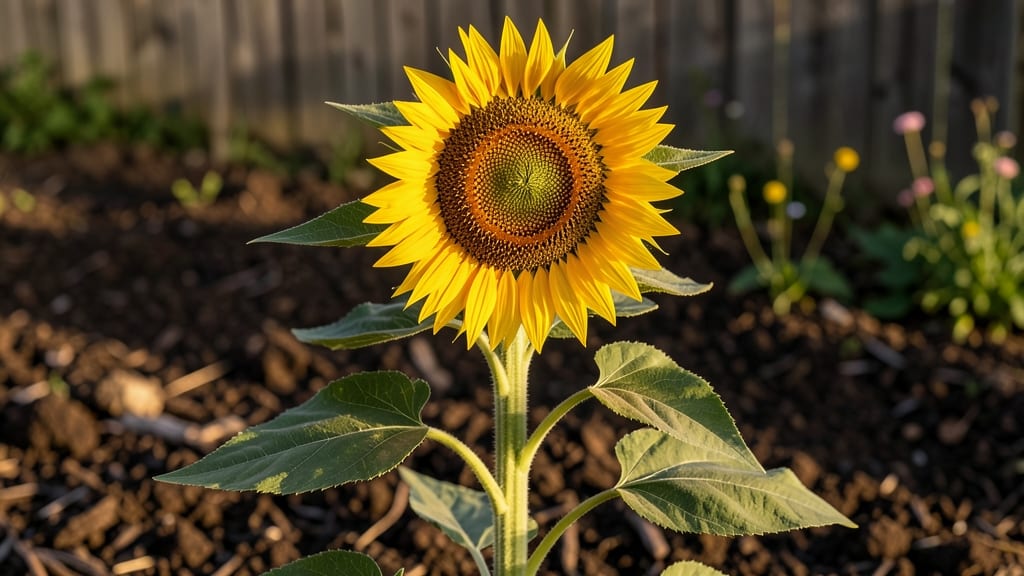
Sunflowers thrive in full sun 🌻, but their light needs might surprise you—especially if your garden has limited bright spots.
Picture this: Your towering 10-foot sunflowers lean dramatically toward the nearest window, their stems weak and their blooms barely half the size they should be. That’s what happens when they don’t get enough light, but here’s the twist—these golden giants are tougher than you think.
While 6-8 hours of direct sun is ideal for maximum growth, sunflowers can adapt to partial shade, especially in cooler climates like USDA Zone 6a. The key is understanding how light affects their height, stem strength, and bloom size—and how to work with what your space offers.
In this guide, I’ll break down exactly how much sun sunflowers really need, which varieties handle shade best, and the simple tricks to keep them reaching for the sky—even in less-than-perfect light.

How much sun do sunflowers Really Need for Maximum Growth?
Sunflowers are famous for their towering stature and radiant blooms, but their sunlight needs often get oversimplified. While they thrive in full sun, most varieties can adapt to partial shade—though the trade-offs affect stem strength, bloom size, and even seed production.
The key lies in understanding how sunlight impacts different growth stages and sunflower varieties, from delicate seedlings to mature giants.
Gardeners often assume "full sun" means 6+ hours of direct light daily, but sunflowers reveal surprising flexibility. Dwarf varieties like 'Teddy Bear' may tolerate 4–5 hours of sun with minimal compromise, while giant sunflowers (like 'Russian Giant') demand 8+ hours to reach their full 10–14-foot potential.
The difference? Photosynthesis efficiency—more light = bigger blooms and sturdier stems.
Here’s the science-backed breakdown: Sunflowers convert sunlight into energy through chlorophyll, but partial shade (especially afternoon shade) can weaken stems, leading to flopping blooms or smaller seed heads.
Research shows that morning sun + afternoon shade works for dwarf varieties, but evening shade is riskier due to heat stress during peak growth.
🌻
| Sunflower Type | Ideal Sunlight | Minimum Viable Sun | Growth Impact | Best For |
|---|---|---|---|---|
| Giant Varieties (e.g., 'Russian Giant') | 8–10+ hours | 6 hours (reduced height) | Max height/bloom; weak stems in <6 hrs | Sunni fields, south-facing beds |
| Standard Varieties (e.g., 'Mammoth') | 6–8 hours | 4–5 hours (smaller blooms) | Moderate height; leggy stems possible | Backyard gardens, containers |
| Dwarf Varieties (e.g., 'Teddy Bear') | 4–6 hours | 3–4 hours (slow growth) | Compact size; ideal for shade | Patios, urban gardens, partial shade |
| Seed Varieties (e.g., 'Autumn Beauty') | 6–8 hours | 5 hours (smaller seeds) | Reduced seed yield in <5 hrs | Home seed production, cut flowers |
The seedling stage is the most critical for sunlight. Young sunflowers need 4–6 hours of light daily to avoid etiolation (the stretching and weakening of stems). Without enough light, seedlings become leggy and pale, making them prone to falling over or fungal diseases.
I’ve seen seedlings in shaded spots grow 3x taller but with stems as thin as pencil leads—hardly sturdy enough to support a 12-inch bloom!
Once sunflowers hit the flowering stage, their needs shift slightly. 6–8 hours of sunlight ensures vibrant petals and full seed development, while less than 4 hours can lead to smaller blooms and underdeveloped seeds.
For example, my 'Moulin Rouge' sunflowers in a 5-hour sun spot produced blooms half the size of those in full sun—but they still thrived, proving sunflowers are resilient when given the right conditions.
Partial shade isn’t all bad, though. Morning sun + afternoon shade can protect sunflowers from heat stress in hot climates, especially in USDA Zones 8–10. The trade-off? Slower growth and darker petals.
If you’re growing sunflowers in containers or urban gardens, prioritize south- or west-facing spots to maximize sunlight exposure. Even a reflective mulch (like white gravel) can trick sunflowers into thinking they’re getting more light!
Pro tip: If your sunflowers are in partial shade, choose dwarf or multi-branching varieties like 'ProCut' or 'Sunspot'. These types bolt (flower) earlier and produce multiple smaller blooms instead of one giant head, making them perfect for shadier corners.
I’ve grown 'Sunspot' under a 50% shade cloth and still gotten dozens of 4-inch blooms—proof that sunflowers adapt when you work with their natural flexibility.
🌿
For maximum growth, aim to give sunflowers at least 6 hours of direct sunlight daily, with 8+ hours for giant varieties. But don’t stress if your garden is shadier—sunflowers will still grow, just with smaller stature and blooms.
The key is to match the variety to your light conditions and supplement with reflective surfaces or strategic planting (like near taller plants that cast afternoon shade). With the right approach, even shady gardens can host sunflowers—just don’t expect them to reach for the sky!
Signs your sunflowers aren’t getting enough light (and how to fix it)
Sunflowers reaching for the sky is a classic summer sight—but when they stretch unusually tall or produce tiny blooms, it’s often a cry for more light. While they can tolerate partial shade, their iconic stature and vibrant blooms thrive with 6–8+ hours of full sun.
Even subtle light deprivation triggers telltale signs that can stunt growth or reduce seed production.
I’ve seen sunflowers in my own garden struggle silently under tree canopies or between tall buildings, showing yellowing leaves or weak stems that can’t support their own weight.
The good news? With a few simple adjustments—like relocating plants or using reflective mulches—you can revive them without sacrificing yield or beauty.
⚠️ callout-warning
While sunflowers are more shade-tolerant than many flowers, less than 4 hours of sun triggers stunted growth and smaller blooms. Even 6 hours of partial shade can reduce seed production by 30–50%. Full sun (6+ hours) is critical for strong stems and large, vibrant flowers.
🌱 Pro Tip: Test your garden’s sunlight with a sunlight tracker for 2–3 days. Mark the shadiest spots—these are prime candidates for low-light varieties or light-boosting hacks.
Here are the 5 unmistakable signs your sunflowers are starving for light—and how to fix them before it’s too late. First, watch for leggy stems that stretch unusually tall and thin, a classic sign the plant is reaching for sunlight.
This weakens the stem’s ability to support the heavy flower head, often leading to toppling or splitting.
Next, check the leaf color. Yellowing leaves, especially on the lower stems, signal chlorosis—a lack of chlorophyll production due to insufficient light. Paired with small, sparse blooms, this combo means your sunflowers are diverting energy to survive rather than grow or flower.
Even worse, premature wilting in the afternoons can occur when plants overheat from too much midday sun without enough morning light to build resilience.
To fix these issues, start by relocating your sunflowers to a sunnier spot—even moving them just a few feet can make a dramatic difference. If your garden lacks space, try elevated planters or reflective mulches (like white gravel or aluminum foil) to bounce extra light onto the plants.
For container-grown sunflowers, place them on a sunny patio or rooftop garden where they can access unobstructed sunlight.
Companion planting is another game-changer. Pair sunflowers with low-growing companions like bush beans or marigolds to reduce competition for light and nutrients. Avoid planting near tall trees or structures that cast deep shade—even dappled shade from a light canopy can limit growth.
If you’re dealing with urban shade, opt for dwarf varieties like 'Teddy Bear' or 'Moulin Rouge', which tolerate 4–6 hours of light better than giants.
Finally, prune strategically to encourage bushier growth. Pinch back the top of young plants to promote side branches, which can harness more light and produce additional blooms. This works best for dwarf or semi-dwarf varieties and should be done when plants are 6–12 inches tall.
Combine this with regular watering (deep soaks 2–3 times per week) to support photosynthesis and keep stems sturdy.