
Flowers
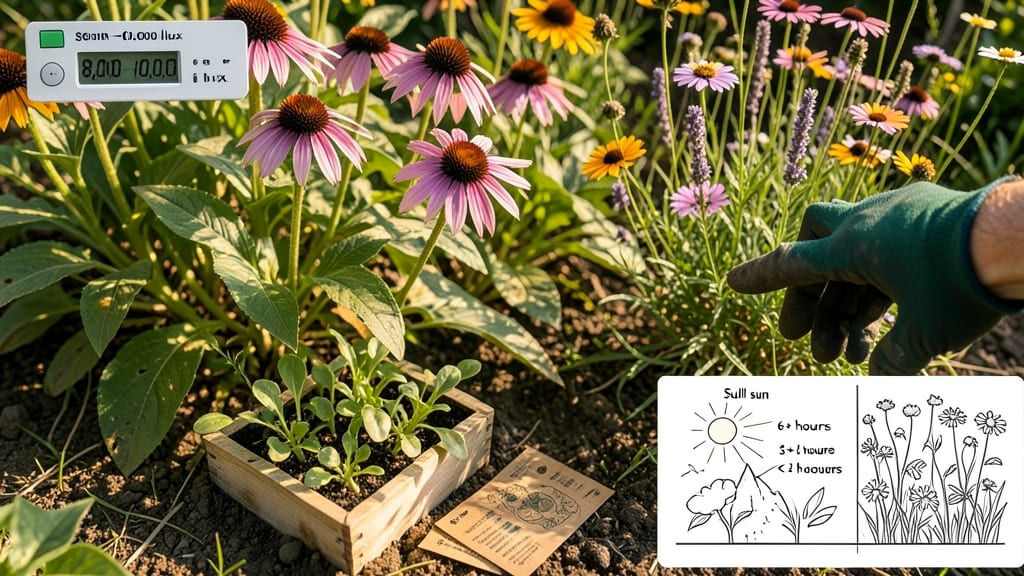
Wildflowers that need full sun 🌼 will reward you with bold blooms and minimal fuss—but not every variety thrives under the brightest light.
Picture this: You’ve spent hours scattering seeds, only to watch them stretch toward the sky like sleepy toddlers, never quite reaching their full potential. That’s often what happens when you assume all wildflowers love full sun—because some actually prefer dappled shade or partial light.
Here’s the good news: The right sun-loving wildflowers—like Black-Eyed Susans or Purple Coneflowers—can handle six hours or more of direct sunlight with ease. They’re the stars of sunny meadows, drought-resistant borders, and pollinator-friendly gardens.
In this guide, I’ll break down the best full-sun varieties, how to spot when your wildflowers are getting too much sun, and smart planting tricks to keep them blooming all season. No guesswork—just vibrant, low-maintenance color.

Top 10 full-sun wildflowers for stunning blooms and low maintenance
If you’re dreaming of a vibrant, low-maintenance garden bursting with color, you’ll love these full-sun wildflowers. While some wildflowers tolerate partial shade, these sun-loving varieties thrive under 6+ hours of direct sunlight daily, delivering bold blooms with minimal effort.
Whether you’re reviving a prairie patch or brightening a sunny border, these drought-tolerant perennials and annuals are perfect for pollinators and effortless beauty.
Many gardeners assume all wildflowers need full sun, but the truth is more nuanced. These top 10 sun-dependent wildflowers not only love the light but also handle poor soil and dry spells like champions.
From Black-Eyed Susans to Blanket Flowers, each variety brings its own charm while demanding little from you. Let’s dive into the best picks for your sunniest garden spots—where they’ll reward you with season-long color and pollinator paradise.
🌻 Key Benefits of Full-Sun Wildflowers:
- Bold, vibrant blooms that stand out in any landscape
- Drought tolerance once established (save water and time)
- Low-maintenance—no fussing over shade or overwatering
- Pollinator magnets—attract bees, butterflies, and hummingbirds
- Long bloom seasons from early summer to frost
| Wildflower | Sun Needs | Bloom Season | Height | Hardiness Zones | Drought Tolerance |
|---|---|---|---|---|---|
| Black-Eyed Susan | 6+ hours | Summer-Fall | 1.5-3 ft | 3-9 | Excellent |
| Blanket Flower | 6+ hours | Summer-Fall | 1-2 ft | 4-9 | Very High |
| Purple Coneflower | 6+ hours | Summer-Fall | 2-4 ft | 3-9 | High |
| Butterfly Weed | 6+ hours | Summer-Fall | 1-2 ft | 4-9 | Very High |
| Sunflower (Annual) | 8+ hours | Summer | 3-12 ft | 2-11 | Moderate |
| Bee Balm | 6+ hours | Summer-Fall | 2-4 ft | 3-9 | Good |
How to tell if your wildflowers Really Need Full Sun (And What Happens If They Don’t)Not all wildflowers demand 6+ hours of full sun—some thrive in partial shade or even dappled light. The key is observing their growth patterns and leaf health. If your wildflowers look stunted or produce fewer blooms than expected, they might be sun-deprived. But if leaves turn yellow or crispy, they could be getting too much sun. Let’s decode these clues. Start by checking your garden’s light exposure. Use a sunlight tracker (or a simple app) to measure daily hours. Most wildflowers need at least 4 hours of light, but sun-lovers like Black-Eyed Susans and Coneflowers crave full sun. If your patch gets less than 4 hours, opt for shade-tolerant varieties like Columbine or Bleeding Heart. ⚠️ WARNING: Sunlight Misdiagnosis Can Kill Your Wildflowers
⚠️ Overlooking shade preferences can lead to leaf scorch or wilting. For example, Lupines and Delphiniums tolerate partial shade but burn in full sun. Always match the plant to its light needs—not just your garden’s exposure.
Quick Fix: Test soil moisture—dry soil in shade means more watering, while crispy edges signal too much sun. If your wildflowers show signs of sun stress, like brown leaf tips or drooping blooms, they may need afternoon shade. Try planting taller sun-loving perennials (e.g., Sunflowers) on the north side of shade-tolerant plants (e.g., Asters) to create a natural sunbreak. For container gardens, move pots to brighter spots gradually to avoid sun shock. Soil prep is just as critical. Amend heavy clay with compost to improve drainage—waterlogged roots mimic shade stress. For sandy soil, mix in organic matter to retain moisture. Mulch with straw or wood chips to regulate soil temperature and reduce water evaporation, especially for shade-loving varieties. Companion planting can boost sunlight exposure naturally. Pair low-growing wildflowers (e.g., Sweet Alyssum) with taller plants (e.g., Joe Pye Weed) to create microclimates. This trick works well in woodland gardens or partial-shade borders. Just avoid competitive species like Mint, which can outcompete wildflowers for light. Remember, wildflowers adapt—but only up to a point. If your garden gets less than 3 hours of light, focus on native shade species like Virginia Bluebells or Trilliums. For full-sun spots, prioritize drought-tolerant varieties like Blanket Flower or Bee Balm. With the right mix, your wildflowers will thrive without guesswork. |