
Flowers
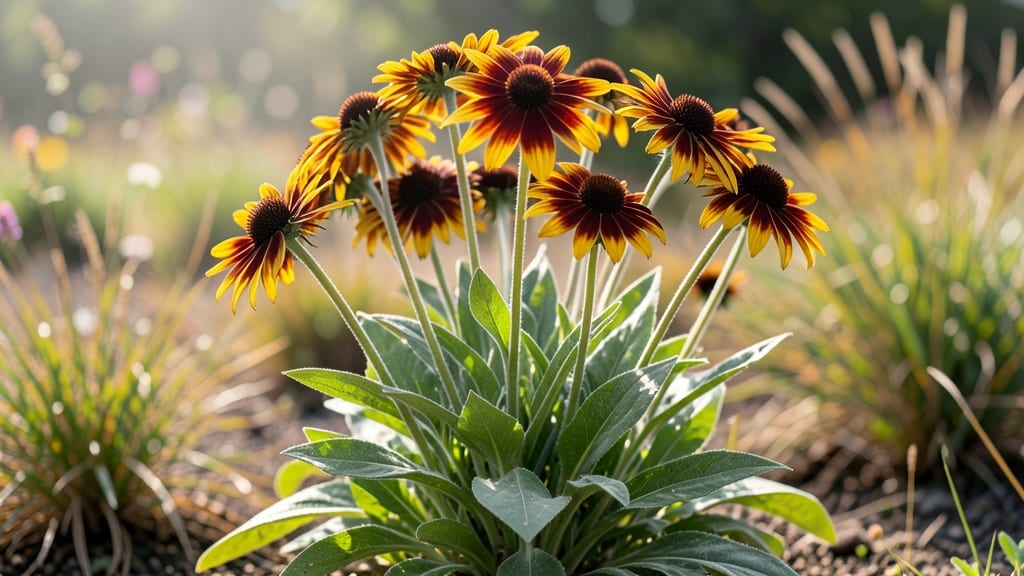
Blanket flowers grow between 1 and 3 feet tall, depending on the variety and growing conditions — a range that makes them perfect for borders, containers, or wildflower mixes.
If you’ve ever planted these bright 🌼 bloomers only to find them towering over your design or struggling to stand upright, you’re not alone. The difference between a compact 1-foot dwarf and a 3-foot giant can change how you space them in your garden.
Sunlight, soil, and even your region’s climate play a role in their height. In full sun and well-draining soil, they’ll reach their maximum potential, while cooler zones or partial shade can keep them shorter and bushier.
Below, I break down the exact height ranges by variety, spacing tips for full blooms, and how to pair them with other plants for a cohesive look — no guesswork required.

Blanket flower height by variety: compact vs. tall growing types
Choosing the right blanket flower (Gaillardia) variety depends on your garden's design goals. Some varieties stay compact at just 12 inches tall, while others reach towering heights of 36 inches or more.
Understanding these differences ensures your flower beds or containers look intentional, not crowded. Let’s explore the height ranges of popular cultivars and how they impact spacing.
For container gardens or rock gardens, dwarf varieties like 'Goblin' or 'Arizona Sun' shine. These stay under 18 inches tall, making them perfect for edging or small spaces.
Meanwhile, taller varieties like 'Arizona Red' or 'Arizona Sunburst' add drama to back borders or wildflower meadows, where their height creates visual impact. Let’s break down the specifics.
Pro Tip: Always check the mature height on seed packets or plant tags. Some varieties may grow slightly taller in richer soil or cooler climates, so plan accordingly for optimal airflow and pollinator access.
When planting taller varieties, aim for 18–24 inches of spacing between plants. This ensures good airflow, reducing the risk of fungal diseases like powdery mildew. For dwarf varieties, 6–12 inches is ideal, allowing them to fill in quickly without overcrowding.
Always consider the mature height and spread to avoid a cluttered look.
If you’re using blanket flowers in containers, choose dwarf varieties or prune taller types regularly. A 5-gallon pot works well for 12–18-inch-tall varieties, while larger 10–15-gallon containers can accommodate taller types like 'Arizona Sunburst'. Add well-draining soil and a slow-release fertilizer to encourage robust growth.
For wildflower meadows or naturalized plantings, taller varieties like 'Arizona Sunburst' or 'Arizona Red' create stunning vertical interest. Space them 24–30 inches apart to mimic their natural growth habit. Pair them with grasses or low-growing perennials to balance their height and add texture.
One common mistake is overcrowding taller varieties, which can lead to floppy stems and fewer blooms. Always follow the spacing guidelines on seed packets or plant tags.
If you’re unsure, err on the side of more space—your blanket flowers will thank you with longer stems and vibrant blooms all season.
For cut flower arrangements, taller varieties like 'Arizona Sunburst Double' are excellent choices. Their 30–36-inch height provides long stems perfect for bouquets. Plant them in a dedicated cutting garden
How to space blanket flowers for optimal airflow and blooms
Proper spacing is the secret to long-lasting blooms and healthy blanket flowers. These vibrant plants thrive when given room to breathe, reducing disease risk and maximizing sunlight exposure. Height variations between varieties mean your spacing strategy should adapt—whether you're planting in containers, borders, or wildflower meadows.
For dwarf varieties like 'Arizona Sun,' aim for 8-12 inches apart in garden beds. Taller types such as 'Goblin' need 18-24 inches of space to avoid crowding. Container gardening requires even more elbow room—think 1 plant per 6-inch pot for optimal airflow.
- 1. Border Plantings: Space 12-18 inches apart for continuous blooms along pathways or fences. This creates a dense, colorful edge while preventing mildew.
- 2. Containers: Use 1 plant per 6-inch pot or 3 plants per 12-inch container. Ensure pots have drainage holes to prevent root rot.
- 3. Wildflower Meadows: Sow seeds 10-12 inches apart for naturalized looks. Thinner spacing encourages wildlife visits like bees and butterflies.
- 4. Companion Planting: Pair tall varieties (2-3 ft) with low-growing perennials like sedum or lavender to create vertical layers.
- 5. Pollinator Gardens: Space 18 inches apart in mixed pollinator beds. Clusters of 5-7 plants attract more butterflies and bees than isolated specimens.
Height also plays a crucial role in companion planting. Taller blanket flowers (3 ft) like 'Fanfare' make stunning backdrop plants for shorter perennials like salvia or coreopsis. Dwarf types (1-2 ft) fit perfectly in rock gardens or front-of-border positions.
In containers, spacing affects bloom longevity. Overcrowded pots lead to competition for nutrients and fewer flowers. Prune spent blooms regularly to encourage continuous flowering throughout the season.
For wildflower mixes, follow the 10-12 inch rule to mimic natural meadows. Less dense spacing reduces pest pressure and allows pollinators to navigate easily. Mulch lightly with gravel or straw to retain moisture without smothering roots.
Remember, airflow is key—well-spaced blanket flowers stay disease-free and bloom prolifically. Adjust spacing based on your garden layout and variety height for a show-stopping display all season long. 🌼✂️🐝