
Watering
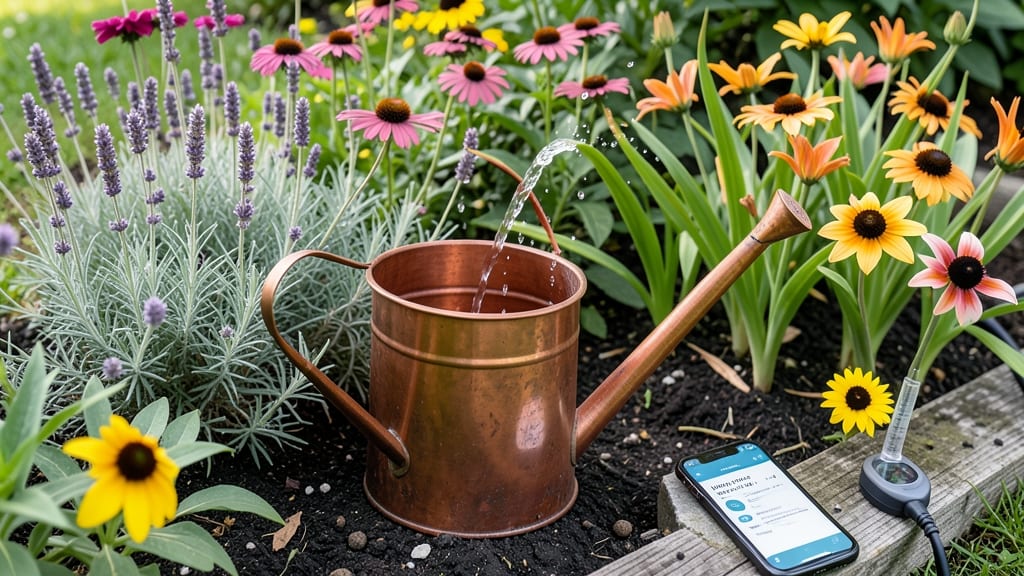
Watering flower beds the right way means knowing how often to water them—because too much or too little can kill even the hardiest blooms.
Picture this: you spend hours arranging your 🌸 flower beds, only to watch them wilt from inconsistent watering. The key isn’t just when you water but how deeply and how often—and it changes with soil type, season, and even the type of flowers you’re growing.
In this guide, I’ll break down the science behind watering schedules, from clay-heavy soil that holds moisture for days to sandy gardens that dry out in hours. You’ll learn how to adjust for summer heatwaves, winter dormancy, and the specific needs of drought-tolerant succulents versus thirsty roses.
By the end, you’ll have a foolproof routine—no more guessing, no more wasted water, and lush, thriving blooms all season long.
Watering frequency by soil type: clay vs. sandy vs. loamy gardens
Your flower beds might look identical, but their soil composition determines how often you should water. Clay soil holds moisture like a sponge, while sandy soil drains faster than a sieve, and loamy soil strikes the perfect balance.
Understanding these differences prevents both root rot and wilting—so let’s break it down.
First, grab a handful of damp soil and squeeze it. If it forms a tight ball that cracks when dropped, you’ve got clay soil. If it crumbles instantly like sandpaper, you’re in the sandy soil camp.
The ideal loamy soil will hold its shape loosely before breaking apart. This simple test reveals your garden’s thirst level.
Clay soil is the moisture hoarder of the gardening world. It clings to water, suffocating roots if overwatered. For flower beds in clay, aim for watering every 5–7 days in spring/fall, but reduce to every 7–10 days in summer—unless your plants show signs of thirst like drooping leaves or yellowing foliage. Deep watering is key to encouraging roots to grow downward.
Sandy soil, on the other hand, drains so quickly that your flowers might feel like they’re in a desert. Here, daily watering in summer and every 2–3 days in spring/fall is often necessary. Use a soaker hose or drip irrigation to deliver water slowly, mimicking natural rainfall. Mulch heavily to slow evaporation—this is non-negotiable for sandy gardens.
Loamy soil is the gardener’s dream—it retains moisture without drowning roots and provides essential nutrients. For flower beds in loam, water every 3–5 days in spring/fall and every 3–4 days in summer. This soil type is forgiving, but don’t skip mulching—it helps maintain even moisture levels and regulates soil temperature.
Seasonal shifts demand adjustments. In summer heat, all soil types need more frequent watering, but clay soil can handle longer gaps because it retains moisture longer. Conversely, sandy soil may require morning and evening watering during heatwaves to prevent stress.
Always water deeply—aim for 1–2 inches of water per session—to encourage strong root systems.
Watch your plants for visual cues. Wilting leaves or yellowing foliage signal underwatering, while mushy stems or fungal spots warn of overwatering. Adjust your schedule based on these signs, not just the calendar.
For example, roses in clay soil might need watering every 10 days in summer, while petunias in sandy soil could wilt by midday without daily attention.
Pro tip: Use a moisture meter or the finger test (stick your finger 1–2 inches into the soil—if it’s dry, it’s time to water). This beats guessing and ensures your flower beds stay hydrated without drowning.
Pair this with organic mulch to lock in moisture and reduce evaporation—especially critical for sandy soil gardens.
Remember, soil amendments can improve drainage or water retention over time. For clay soil, mix in compost or sand; for sandy soil, add peat moss or compost. Over time, these tweaks will make your watering routine easier and your flower beds more resilient.
Now that you’ve mastered the basics, your next step is tailoring watering to your specific flower varieties. Drought-tolerant lavender and succulents hate soggy soil, while hydrangeas and impatiens thrive with consistent moisture. Stay tuned for our next section on plant-specific schedules!
Plant-specific watering schedules: drought-tolerant vs. thirsty flowers
Not all flowers drink the same way—some thrive on neglect while others wilt without daily hydration. Understanding your plants' water needs is the key to avoiding mushy stems or crispy petals. Below, I’ve broken down the watering schedules for popular flowers, including seasonal tweaks for extreme weather.
Whether you’re growing drought-resistant succulents or water-loving hydrangeas, these guidelines will keep your garden lush and healthy.
First, let’s address the biggest mistake gardeners make: assuming all flowers need the same care. Succulents and lavender can survive weeks without water, while petunias and impatiens demand consistent moisture.
The secret? Deep watering less often—rather than shallow drinks daily—which encourages roots to grow deeper and your plants to become more resilient. Let’s dive into the specifics.
- Drought-Tolerant: Succulents (e.g., Sedum, Echeveria) – Every 2-3 weeks (or when soil is bone-dry). Red flags: Shriveled leaves = underwatering; soft, mushy stems = overwatering.
- Low-Maintenance: Lavender, Russian Sage, Yarrow – Weekly in summer, bi-weekly in spring/fall. Red flags: Yellowing leaves = too much water; wilting = thirsty.
- Moderate Needs: Roses, Daylilies, Coneflowers – Every 2-3 days in summer, 3-4 days in spring/fall. Red flags: Drooping blooms = underwatering; brown edges = overwatering.
- Thirsty Flowers: Hydrangeas, Petunias, Impatiens – Daily in summer, every other day in spring/fall. Red flags: Crispy petals = underwatering; yellow leaves = overwatering.
- Winter Care: All flowers – Bi-weekly or monthly (only if soil is dry). Red flags: Moldy soil = overwatering; brittle stems = underwatering.
For drought-tolerant flowers like succulents and lavender, the goal is to mimic their natural habitats. These plants store water in their leaves or stems, so they prefer infrequent, deep watering. Stick your finger 2 inches into the soil—if it’s dry, water thoroughly.
If it’s still damp, wait. Overwatering is the #1 killer of succulents, so always use pots with drainage holes and avoid soggy soil.
On the opposite end, thirsty flowers like hydrangeas and petunias need consistent moisture to keep their blooms vibrant. These plants often have shallow root systems, so they rely on frequent, light watering.
However, avoid wetting the foliage to prevent fungal diseases like powdery mildew. Instead, water at the base of the plant in the morning to give leaves time to dry.
Seasonal adjustments are critical. During summer heatwaves, even drought-tolerant plants may need extra water—monitor soil moisture closely. In winter, most flowers enter dormancy and require minimal watering.
Cut back to bi-weekly or monthly checks, focusing only on plants that show signs of thirst, like wilted leaves or dry soil. Mulching can help retain moisture in winter, reducing the need for frequent watering.
Watch for these red flags to catch issues early:
- Yellowing leaves = Overwatering (roots suffocating)
- Crispy petals = Underwatering (plant stressed)
- Moldy soil = Too much moisture (fungal risk)
- Wilting despite damp soil = Root rot (emergency action needed!)
Remember, the perfect watering schedule depends on your climate, soil type, and plant variety. Start with these guidelines, then fine-tune based on your garden’s unique conditions. With a little practice, you’ll master the art of just-right watering—no soggy soil or parched petals in sight! 🌷