
Planting
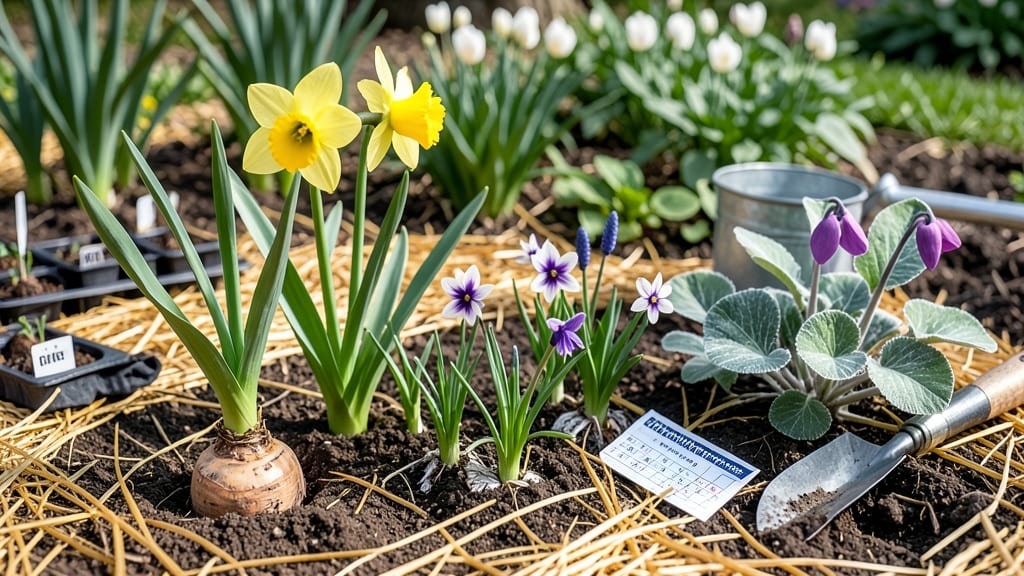
A precise Zone 5 flower planting schedule is your secret weapon against frost-killed blooms and wasted effort—because timing these plants right means the difference between a garden that thrives and one that barely survives.
Picture this: You’ve spent hours selecting vibrant annuals and hardy perennials, only to watch them wilt overnight when a late frost sneaks in. It happens more often than you’d think, especially in Zone 5’s 5a-5b range where frost can linger until May 15.
This schedule isn’t just about dates—it’s about matching each 🌸 flower to its ideal window, whether you’re planting bulbs in fall or sowing seeds in spring. We’ll cover everything from frost-tolerant pansies to heat-loving impatiens, so you can avoid common mistakes like planting too early or skipping soil prep.
By the end, you’ll have a clear, actionable timeline tailored to your microclimate, plus pro tips to extend your blooms well into fall. No more guesswork—just zero-frost success every season.

Exact Zone 5 flower planting months by frost-tolerant variety
Zone 5 gardeners face a tricky balance: late frosts can kill tender blooms, while early planting risks stunted growth. The key? Understanding which flowers thrive in cool soil and which need warmth to germinate.
I’ve broken down the exact planting windows for frost-hardy vs. frost-sensitive varieties, plus how to adjust for your specific last frost date (which can vary by 1-3 weeks across Zone 5).
For example, pansies and snapdragons can handle light frosts, while impatiens and petunias will bolt if planted too early. Even within Zone 5, northern edges (5a) like Chicago or Buffalo have later last frosts than southern edges (5b) like St. Louis or Columbus.
Use this guide to align your planting with your local microclimate—whether you’re in a frost pocket or a warmer urban heat island.
🌱
If you’re in a Zone 5a area (like Detroit or Burlington, VT), shift your spring planting 2 weeks later than the table suggests. For Zone 5b (e.g., Cincinnati or Indianapolis), you can plant cool-season flowers like calendula or stock as early as late February under row covers.
Always check your local last frost date—tools like the National Weather Service or Old Farmer’s Almanac can help.
For container gardening, frost-sensitive plants like geraniums or begonias can be moved to protected spots (e.g., near south-facing walls) 2–3 weeks earlier than ground planting. Use black plastic mulch to warm soil faster in early spring, or straw mulch to insulate fall-planted bulbs.
Pro tip: Succession plant frost-sensitive annuals like marigolds or zinnias every 3 weeks from May through July to ensure continuous blooms until frost. This works especially well in raised beds, where soil warms up faster than in-ground areas.
Don’t forget about fall planting! Many cool-season flowers, like sweet alyssum or lobelia, thrive when sown in
5 Critical mistakes that ruin Zone 5 flower planting timing
Getting your Zone 5 flower planting schedule wrong can mean the difference between a lush garden and a sad, frost-bitten disappointment. Even experienced gardeners make these common timing mistakes—often without realizing it. The key is understanding your last frost date and adjusting for soil temperature, not just air temperature.
For example, I once planted marigolds in late April, thinking the frost was over—only to watch them wilt when a surprise freeze hit. The lesson? Always check your local frost risk calculator and wait until the soil is at least 55°F (13°C) before planting tender annuals.
🚨
⚠️ Zone 5 Planting Pitfalls
- Planting too early: Frost heave can uproot young plants.
- Ignoring soil temp: Cold soil delays germination.
- Skipping succession planting: Gaps mean missed blooms.
- Overlooking microclimates: South-facing beds warm faster.
- Using last frost date blindly: Adjust for your elevation.
🌡️ Pro Tip: Use a soil thermometer—ideal temps vary by plant (60°F for petunias, 70°F for cosmos).
One of the biggest mistakes is planting perennials too late in fall. While they can handle winter, establishing roots before the ground freezes gives them a head start.
I always aim to get coneflowers and black-eyed Susans in the ground by mid-September—that’s 6-8 weeks before my first frost, giving roots time to anchor.
Another common error is skipping succession planting for annuals. If you plant all your zinnia seeds at once in May, you’ll have a glorious bloom in July—but then what? By staggering plantings every 2-3 weeks through July, you’ll enjoy continuous color until frost. It’s that simple!
Don’t forget about bulb planting timing either. Tulips and daffodils need to be in the ground 6-8 weeks before the first frost, usually by mid-October in Zone 5. Planting them later means they won’t have enough time to develop roots before winter dormancy.
Finally, always check your local frost risk—not just the average last frost date. Use tools like the National Weather Service’s frost prediction maps or ask your local cooperative extension office for hyper-local advice.
In my area, the valley heats up faster than the hilltops, so I adjust my schedule accordingly.
By avoiding these timing traps and using a frost risk calculator tailored to your specific last frost date, you’ll transform your Zone 5 garden from hit-or-miss to consistently stunning. Happy planting! 🌷