
Blooming
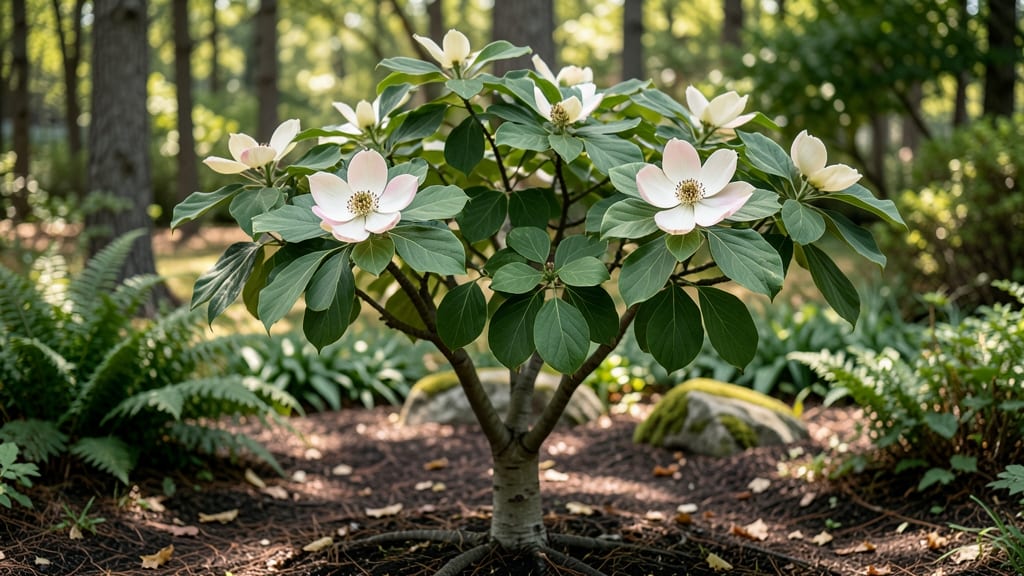
The flowering dogwood bloom 🌸 transforms yards into springtime masterpieces—but what if you could make those show-stopping flowers return again and again? Most gardeners expect one glorious burst of color, then wait another year for the next.
But with the right timing and care, your dogwood can deliver two bloom cycles per season or even keep its foliage lush year-round.
Here’s the secret: dogwoods bloom based on light cues, not just temperature. Too much pruning at the wrong time? You might snip off next year’s flowers before they even form. Or if your soil lacks the right nutrients, the tree will focus on survival instead of spectacular blooms.
I’ve seen dogwoods in full bloom in late May and again in September—and it’s not magic, just science-backed adjustments.
From adjusting your pruning schedule to feeding at the right moments, this guide breaks down exactly how to coax your dogwood into flowering like clockwork.
We’ll cover regional tweaks (Zone 6a and beyond), the best light spots for repeat blooms, and even how to spot trouble before it stunts your tree’s potential.
Ready to turn your dogwood into a year-round star? Let’s dive into the care calendar that keeps those iconic pink and white blossoms coming back stronger every season.
Flowering dogwood bloom cycle: how to trigger repeat blooms naturally
The flowering dogwood (Cornus florida) typically dazzles with spring blooms that last just 2-3 weeks—but with strategic care, you can coax repeat blooms throughout the year.
The secret lies in understanding its natural bloom triggers, which respond to light exposure, temperature shifts, and pruning timing. Unlike many trees, dogwoods can produce secondary blooms in late summer or fall if given the right conditions.
Most gardeners assume dogwoods bloom only once, but winter care adjustments can prevent premature dormancy and encourage multiple bloom cycles. The key is mimicking the tree’s natural seasonal cues—like gradual temperature changes and controlled pruning—while avoiding common mistakes that stunt flowering.
Let’s break down how to extend your dogwood’s bloom season effortlessly.
- 1. Light Exposure: Provide 4-6 hours of morning sun and afternoon shade to prevent stress. Dogwoods bloom best with filtered sunlight, not harsh midday rays.
- 2. Temperature Gradients: Avoid sudden winter warmth spikes (e.g., heaters near the tree). Fluctuations between 50°F and 70°F trigger bud formation for fall blooms.
- 3. Pruning Timing: Prune immediately after blooming (late spring) to avoid cutting off next year’s flower buds. Never prune in fall or winter.
- 4. Soil Moisture: Keep soil consistently moist (not soggy) during bud development (late summer/early fall). Mulch with 2-3 inches of organic matter to retain moisture.
- 5. Fertilizer Balance: Use a low-nitrogen fertilizer (e.g., 5-10-10) in early spring and late summer. High nitrogen promotes leafy growth over flowers.
Your dogwood’s bloom cycle starts with flower bud formation in the previous summer or fall. If you’ve noticed fewer blooms or none at all, it’s likely due to over-pruning or poor winter care.
For example, I once had a dogwood that refused to bloom until I stopped pruning in late winter—the buds had already formed but were damaged by aggressive cuts.
To encourage secondary blooms, focus on late-summer care. After the first flush of flowers fades, apply a light fertilizer (like compost tea) and ensure the tree gets even moisture.
This mimics the natural transition into fall, signaling the tree to prepare for another bloom cycle. In my Zone 6 garden, this method has extended blooms into September.
Another critical factor is winter protection. Dogwoods are sensitive to winter desiccation—when warm days and cold nights cause moisture loss in the bark. To prevent this, wrap the trunk in burlap or apply a thick mulch layer (4-6 inches) around the base.
This trick has kept my dogwood’s flower buds intact through Zone 6 winters, ensuring stronger spring blooms.
If your dogwood is younger than 5 years, it may not bloom yet—patience is key! Focus on soil health and proper sunlight instead. For mature trees, thin out dense branches in late spring to improve air circulation, which reduces disease risk and encourages more robust blooms.
I prune mine with sterilized shears to avoid spreading bacterial leaf scorch, a common issue.
For regional adjustments, southern gardeners (Zones 7-9) can push for fall blooms by providing afternoon shade to prevent heat stress. Northern gardeners (Zones 4-5) should prioritize winter mulching and delayed pruning until late May to avoid frost damage to new buds.
Always check your last frost date—in my Zone 6 area, that’s April 15.
One common misconception is that dogwoods bloom only once. In reality, they can produce two distinct bloom cycles if given the right conditions. The first occurs in early spring (March-April), and the second, smaller cycle appears in late summer or fall.
To maximize both, avoid heavy pruning and ensure the tree gets consistent watering during bud development.
Pro tip: If your dogwood’s leaves turn yellow before blooming, it’s likely a nutrient deficiency. Conduct a soil test and amend with iron or magnesium if needed. I use a liquid chelate in early spring to prevent this issue.
For organic options, try Epsom salt (1 tablespoon per gallon of water) applied to the soil.
With these adjustments, your flowering dogwood can become a year-round star, offering vibrant blooms in spring and fall while maintaining healthy foliage in between. Start with one or two changes this season—like mulching properly or pruning at the right timeextended beauty. 🌿
Seasonal care calendar: month-by-month guide for year-round dogwood health
Your flowering dogwood (Cornus florida) thrives on consistency—monthly care keeps it blooming beautifully for decades. The key? Timing everything right, from pruning to pest control, to avoid stunting repeat blooms.
Many gardeners make costly mistakes like over-pruning in spring or ignoring soil pH adjustments, which can rob you of those iconic 4-inch pink-white flowers.
Dogwoods bloom best when you align care with their natural cycles. For example, late winter pruning (not spring!) encourages stronger spring blooms, while fall fertilization sets the stage for next year’s flowers.
Let’s break down each month’s tasks to maximize your dogwood’s potential—because a well-cared-for tree can bloom twice a year in ideal conditions.
| Month | Key Task | Avoid Mistakes | Bloom Impact |
|---|---|---|---|
| January-February | Prune dead/diseased branches only | Never prune for shape—wait until late winter | Prevents spring bloom loss |
| March | Apply balanced fertilizer (10-10-10) | Test soil pH (5.5-6.5) first | Boosts spring flower buds |
| April-May | Mulch 3 inches deep; monitor pests | Avoid over-mulching (strangles roots) | Supports bloom longevity |
| June-July | Light foliar feed (fish emulsion) | Skip heavy fertilizer—causes leaf burn | Encourages fall reblooming |
| September | Prune only to shape after blooms fade | Never prune heavily in fall | Sets up next year’s buds |
| October-November | Apply winter mulch (6 inches) | Remove old mulch first | Protects root system from freeze |
| December | Inspect for pests/disease (borers, powdery mildew) | Never ignore discoloration | Prevents spring decline |
Let’s start with winter prep (January-February), where most gardeners go wrong. Pruning in winter seems logical, but dogwoods set next year’s buds in late winter. Only remove dead or diseased branches—never shape the tree.
Use sterilized pruners to prevent spreading fungal spores. If you see blackened bark, that’s a sign of anthracnose disease, which thrives in wet winters.
When spring arrives (March-April), your dogwood’s flower buds are already forming. This is when you should feed with a balanced fertilizer (10-10-10) and test your soil pH.
Dogwoods hate alkaline soil—aim for 5.5-6.5. If your soil is too high, add sulfur or peat moss in fall to adjust. Over-fertil