
Flowers
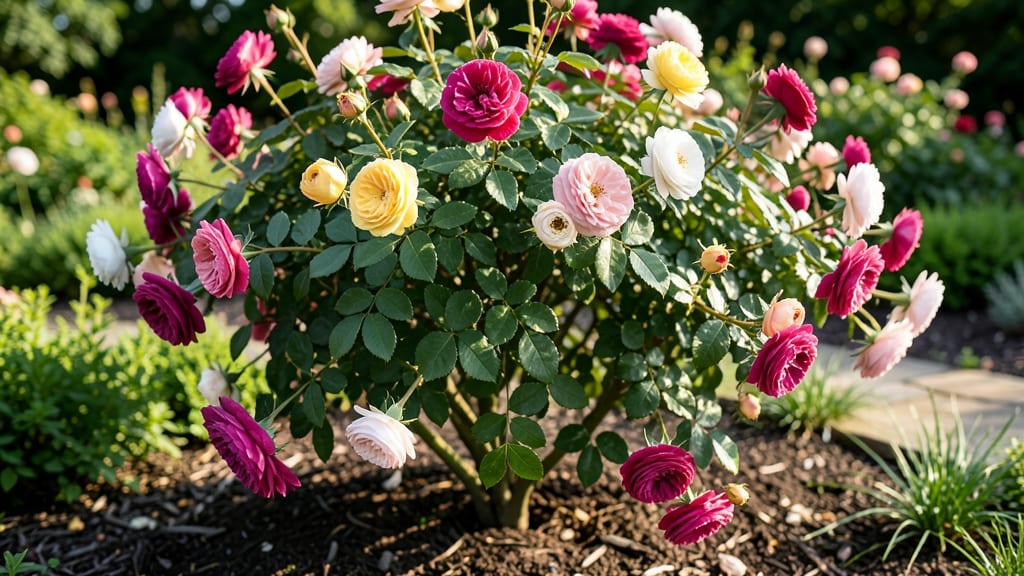
The flowering season of rose 🌹 unfolds in a breathtaking dance of color, but timing it right can feel like chasing a fleeting dream—especially when varieties, climates, and care habits all play a role.
Picture this: you’ve just planted your new hybrid tea roses in March, only to watch them bloom for a few glorious weeks before fading. What if I told you some roses keep flowering until frost, while others need a little coaxing to extend their season?
The secret lies in knowing your rose’s personality—and a few simple tricks to keep them in peak form.
In this guide, we’ll break down when roses bloom by variety (spring, summer, or repeat-flowering), how your USDA zone shifts their schedule, and the care tweaks that can add weeks—or even months—to their display.
Whether you’re in Zone 6a or a warmer region, you’ll learn how to turn your garden into a nonstop rose show.
Ready to unlock the full potential of your roses? Let’s dive into the blooming phases, climate adjustments, and proven tips that’ll have your roses flowering longer than ever before.
When do roses bloom? Flowering seasons by variety explained
Roses are nature’s most romantic blooms, but their flowering seasons vary wildly depending on the variety and climate zone. Some burst into color in early spring, while others reward you with fall blooms or even repeat-flowering all season long.
Understanding these patterns helps you choose the perfect roses for your garden’s timeline and extend their beauty with the right care.
Not all roses follow the same schedule. Hybrid teas and grandifloras often bloom in late spring to early summer, while shrub roses like Knock Out® roses may flower continuously from spring to frost. Climbing roses typically have a mid-to-late summer peak, and fall-blooming varieties like 'The Fairy' shine in September and October.
Let’s break down the blooming cycles so you can plan your garden like a pro.
| Rose Variety | Primary Blooming Season | Repeat Blooming? | Key Features |
|---|---|---|---|
| Hybrid Teas | Late spring to early summer | Yes (with deadheading) | Classic cut flowers, high fragrance |
| Climbing Roses | Mid-to-late summer | Some varieties | Large, dramatic blooms, needs trellis |
| Shrub Roses | Spring to frost (continuous) | Mostly yes | Low-maintenance, disease-resistant |
| Fall-Blooming | September to October | No | Late-season color, e.g., 'The Fairy' |
| Miniature Roses | Spring to fall | Yes | Compact, great for containers |
If you love spring roses, varieties like 'Iceberg' (a hybrid tea) or 'Julia Child' (a shrub) will delight you with early blooms in May. These roses thrive in cooler climates and often produce their first flush of flowers as soon as the last frost passes.
Look for buds swelling in late April—that’s your cue to start monitoring them closely!
For summer-long color, repeat-blooming roses like 'Double Delight' or 'Knock Out® roses' are game-changers. These varieties don’t just bloom once—they keep producing flowers as long as you deadhead spent blooms and provide consistent care.
Prune them lightly after their first flush to encourage secondary blooms in July and August.
Climbing roses often steal the show in mid-to-late summer, with varieties like 'New Dawn' or 'Blaze' covering trellises in pink and red blooms. These roses need strong support and regular pruning to keep their growth in check. If you want a romantic garden backdrop, plant them near patios or pergolas for a stunning vertical display.
Don’t overlook fall-blooming roses like 'The Fairy' or 'Belinda’s Dream', which burst into color just as other flowers fade. These late-season roses add autumn drama and often bloom well into October, especially in warmer climates. Pair them with mums or asters for a show-stopping fall garden.
To identify which rose variety you’re growing, check the bloom time and flower shape. Hybrid teas have large, single-stemmed blooms, while shrub roses produce clusters of smaller flowers. Climbers have long, arching canes with large, repeat blooms.
Keep a gardening journal to track when your roses bloom each year—this helps you adjust care and predict future seasons.
Pro tip: Deadheading (removing spent blooms) is the secret to prolonged flowering. For hybrid teas, cut back to the first five-leaf
How climate zones affect rose flowering seasons (and how to adjust)
Your USDA hardiness zone plays a bigger role in rose blooming than you might think. In Zone 3, roses often bloom later to avoid spring frosts, while Zone 10 roses may flower year-round with proper care.
Understanding these patterns helps you choose the right varieties and adjust care routines to maximize blooms.
Even within zones, microclimates create local variations. Urban heat islands can push blooming 2-3 weeks earlier than rural areas, while coastal winds may delay flowering. Let’s break down how to work with these natural factors to get the most vibrant roses possible.
| USDA Zone | Typical Bloom Start | Peak Bloom Period | Late Bloom Extension | Key Adjustments Needed |
|---|---|---|---|---|
| 3-5 (Cold) | Late May - Early June | June - July | August (with care) | Use mulch and early pruning to warm roots |
| 6-8 (Temperate) | Mid-May | June - September | October (repeat bloomers) | Deadhead regularly and water deeply in summer |
| 9-10 (Warm) | March - April | April - November | December (with shelter) | Provide afternoon shade and consistent moisture |
| Microclimate (Urban) | 2-3 weeks earlier | May - October | September (if watered) | Use lightweight mulch to cool roots |
| Microclimate (Coastal) | 1-2 weeks later | June - September | Limited extension | Protect from salt spray and windburn |
For cold climates (Zones 3-5), focus on hardy varieties like 'Knock Out' roses that bloom later. In hot zones (9-10), prioritize shade-tolerant types like 'Iceberg' to prevent heat stress.
My Zone 7 garden thrives with a mix of early and late bloomers—planting 'Double Delight' near 'Belinda's Dream' ensures continuous color from May through October.
Adjust your watering schedule based on zone: Zone 10 roses need daily watering in summer, while Zone 5 roses benefit from deep, infrequent watering. Always water at the base of the plant in the morning to prevent fungal diseases, regardless of your zone.
Don’t forget about seasonal pruning. In warm zones, prune lightly in late winter to encourage early blooms. In cool zones, wait until spring to avoid frost damage. My Zone 6 roses get a mid-March pruning to remove dead wood and shape for the season ahead.
With these zone-specific strategies, you can extend your roses' flowering season by up to 8 weeks. The key is observing your local patterns and making small adjustments—whether it's adding mulch in cold zones or providing afternoon shade in hot ones.