
Plants
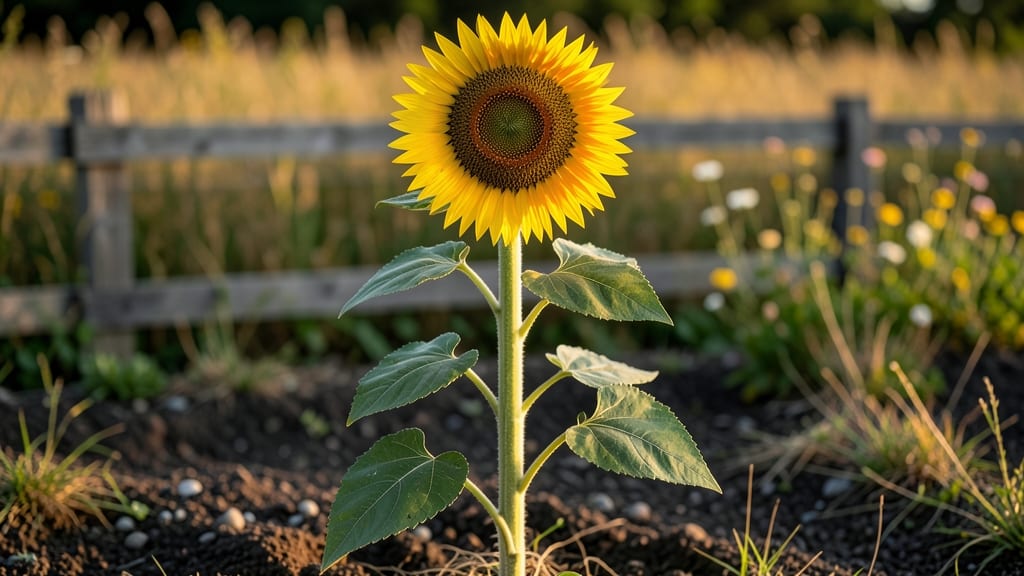
A full grown sunflower can stretch from a charming 2-foot dwarf to a towering 15-foot giant, turning your garden into a sunlit spectacle 🌻.
If you’ve ever planted sunflower seeds hoping for a towering, sun-soaked centerpiece—only to end up with a disappointing shrub—you’re not alone. The difference between a stunted plant and a sky-scraping giant often comes down to the variety you choose and how you care for it.
Sunflowers thrive in full sun and well-drained soil, but even the hardiest varieties need the right balance of water, nutrients, and space to reach their full potential.
Whether you’re growing them for cut flowers, bird feed, or just the joy of watching them grow, knowing what your sunflower needs at each stage is the key to success.
In this guide, I’ll break down how tall different sunflower varieties grow, how to maximize their height with simple care tips, and when to harvest for the best results—so you can enjoy those golden blooms at their peak.
Sunflower height by variety: from dwarf to giant species
Sunflowers are nature’s skyscrapers, with varieties ranging from compact dwarfs perfect for containers to towering giants that dwarf even the tallest gardeners.
The final height of a sunflower depends entirely on its genetic variety, but even within the same type, care practices can influence growth by up to 30%.
Whether you're dreaming of a whimsical pollinator garden or a dramatic backyard focal point, choosing the right variety is your first step to success.
Most gardeners assume all sunflowers grow tall, but the truth is far more exciting. Dwarf sunflowers stay under 3 feet, making them ideal for balconies and patio pots, while giant varieties can stretch over 15 feet, creating living sunshades that block summer heat.
Understanding these differences helps you plan your garden layout, select the perfect cutting varieties, or even design a bird-friendly seed tower.
Here’s how sunflower varieties stack up—from the smallest to the grandest—along with their best uses and care tips to maximize their potential.
| Variety | Height Range | Best For | Days to Mature | Care Tip |
|---|---|---|---|---|
| Teddy Bear | 1–2 ft | Containers, borders | 50–55 days | Deadhead for continuous blooms |
| Moulin Rouge | 2–3 ft | Cut flowers, pollinators | 60–65 days | Stake if heavy blooms |
| Russian Giant | 8–12 ft | Landscaping, shade | 90–100 days | Plant in groups for wind support |
| Mammoth Russian | 10–15 ft | Dramatic focal points | 100–120 days | Use heavy-duty stakes |
| Autumn Beauty | 4–5 ft | Cut arrangements, seed heads | 70–80 days | Harvest seeds before birds do |
If you’re growing sunflowers for cut flowers, medium-height varieties like Autumn Beauty or Moulin Rouge strike the perfect balance. Their 4–5 foot stems hold up well in vases and last 7–10 days with proper care.
For bird feeders, let the seed heads mature on the plant—taller varieties like Russian Giant provide a natural perch for finches and goldfinches.
Giant sunflowers like Mammoth Russian are a statement piece in any garden, but they require extra space and support. Plant them at least 3 feet apart and use 3-inch diameter stakes buried 18 inches deep to prevent toppling.
These varieties also need richer soil and consistent moisture to reach their full 10–15 foot potential.
For small-space gardens, dwarf varieties like Teddy Bear are my go-to. They thrive in 5-gallon containers and produce cheerful, child-friendly blooms that attract bees and butterflies. Their compact size also makes them ideal for window boxes or balcony gardens, where taller varieties would overwhelm the space.
One common mistake gardeners make is assuming all sunflowers need full sun. While this is true, dwarf varieties can tolerate partial shade (4–6 hours of sun), making them versatile for sh
How to maximize sunflower growth: soil, water, and sunlight tips
Sunflowers thrive when given the right conditions, but many gardeners miss key details that keep their plants from reaching their full potential. The secret to growing a full grown sunflower lies in three critical factors: soil quality, proper watering, and sunlight exposure.
Even the hardiest varieties like 'Mammoth Russian' can struggle without these basics, often resulting in stunted growth or weak stems.
One of the biggest mistakes I see is assuming sunflowers are low-maintenance plants. While they are resilient, they demand specific care—especially during their rapid growth phase. For example, poor soil drainage can lead to root rot, while inconsistent watering causes uneven growth.
Let’s break down the science-backed strategies to help your sunflowers grow tall, strong, and vibrant.
Planting sunflower seeds too closely together (less than 12 inches apart) competes for nutrients and sunlight, stunting height by up to 30%. Space dwarf varieties 6-12 inches apart and giants like 'Russian Giant' 18-24 inches apart to maximize stem strength and flower size.
Start with well-draining soil that’s rich in organic matter. Sunflowers prefer a slightly acidic to neutral pH between 6.0 and 7.5.
Amend clay soil with compost or sand to improve aeration, and avoid heavy fertilizers early in the season, as they can cause excessive foliage growth at the expense of flower development.
A light application of balanced fertilizer (10-10-10) at planting and again when stems reach 12 inches tall supports steady growth.
Watering is another critical factor. Young sunflowers need consistent moisture—about 1-2 gallons per week—to establish strong roots. Once established, they’re drought-tolerant but benefit from deep watering every 7-10 days.
Water at the base of the plant in the morning to prevent fungal diseases like powdery mildew, which thrives in damp foliage. Overhead watering can also weaken stems, making them prone to lodging (bending or breaking).
Sunlight is non-negotiable for sunflowers. They require 6-8+ hours of direct sunlight daily to reach their mature height. If your garden gets less, consider growing shorter varieties like 'Teddy Bear' or use reflective surfaces (like white walls) to bounce extra light onto the plants.
Even partial shade can reduce flower size and delay blooming. For example, a Mammoth Russian sunflower in full sun can grow 12-15 feet tall, but in partial shade, it may only reach 6-8 feet.
Finally, avoid common pitfalls like over-fertilizing (which leads to weak stems) or pruning too late (which removes potential seed heads). If you notice leaves yellowing or stems bending, check for aphids or spider mites—both pests sap energy from the plant.
A strong blast of water or neem oil spray can help control them without harming the flowers. With the right care, your sunflowers will not only reach their full potential but also become the star of your garden.