
Plants
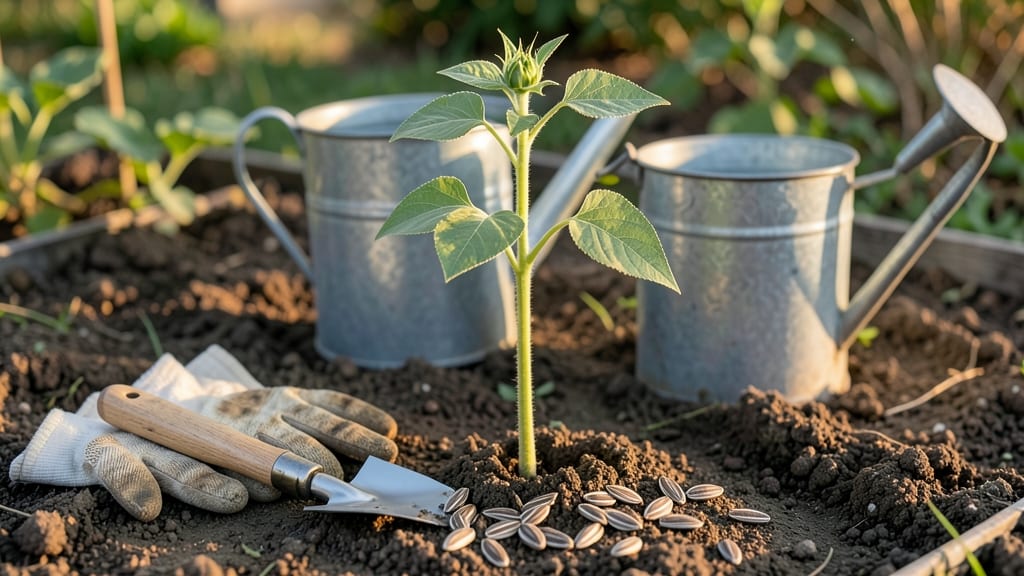
Plant sunflower seeds in Southern California from late January to early March for the tallest, most vibrant blooms 🌻 — a window that avoids both winter chills and summer’s scorching heat.
You might think year-round planting is an option, but sunflowers bolt faster in SoCal’s mild winters, and summer’s relentless sun can stress young plants before they reach their full 10–12-foot potential. Get the timing wrong, and you’ll end up with stunted stems or flowers that wilt before they even open.
Coastal areas like San Diego can start as early as December, while inland valleys should wait until February to sidestep late-winter frosts. Desert regions? Plant in January before temperatures climb, and prioritize shade cloth if you’re aiming for fall blooms.
Below, I’ll break down the exact planting schedule by microclimate, soil prep tricks to beat heat stress, and how to stretch your sunflowers’ growing season for late-summer displays that turn heads.
Southern California sunflower planting calendar by microclimate zone
Southern California’s diverse climate—from coastal breezes to inland deserts—creates distinct microclimate zones for sunflower planting. Unlike northern states, SoCal’s frost-free winters mean you can plant sunflowers year-round, but timing affects height, bloom size, and heat tolerance.
Coastal areas (like Santa Barbara) have milder winters, while inland valleys (like Riverside) face hotter summers that demand earlier planting. Desert regions (like Palm Springs) require extra water and shade protection for young seedlings.
Sunflowers thrive in SoCal’s USDA Zones 9b-11, but their 60-90 day growth cycle means planting too late can leave them struggling before winter rains. For 10-12 foot giants, aim for January-February planting in most zones to avoid summer bolting (premature flowering).
Dwarf varieties (2-4 feet) offer more flexibility but still need consistent moisture during germination. Always test your soil—sunflowers prefer well-draining, slightly acidic soil (pH 6.0-7.0).
Here’s your microclimate-specific planting calendar, including heat tolerance thresholds and frost-free dates (though frost is rare). Use this to align your sunflower varieties with SoCal’s three key zones: coastal, inland, and desert.
| Microclimate Zone | Best Planting Months | Heat Tolerance Threshold (°F) | Frost Risk | Notes |
|---|---|---|---|---|
| Coastal (e.g., Malibu, Santa Barbara) | December–March | Up to 90°F (shade cloth for seedlings) | None | Milder winters; extend season with fall planting for winter blooms. |
| Inland Valleys (e.g., Los Angeles, Riverside) | January–February | Up to 100°F (mulch to retain moisture) | Rare (possible light frost in Dec) | Hot summers; plant early to avoid heat stress on tall varieties. |
| Desert (e.g., Palm Springs, Joshua Tree) | November–December | Up to 110°F (drip irrigation required) | None | Extreme heat; use shade cloth for seedlings and dwarf varieties for best results. |
For coastal zones, you can push planting into early spring (March) for summer blooms, but avoid late summer plantings—sunflowers need 60-70 days of warm weather to mature.
In inland valleys, January-February is ideal to beat the 100°F+ summers; if you plant in March, expect shorter stems due to heat stress. Desert regions are trickiest—plant in November to give seedlings time to establish before April heat waves.
Soil prep is critical in SoCal’s dry climate. Amend heavy clay soil with compost or sand to improve drainage, and mulch heavily (3-4 inches of straw) to retain moisture. Sunflowers are drought-tolerant once established, but young plants need consistent watering (1-2 gallons per plant weekly during germination). In desert areas, drip irrigation is a game-changer—it delivers water directly to roots and reduces evaporation.
Watch for heat stress signs: wilting leaves, yellowing foliage, or premature bolting (flower stems elongating without blooms).
If temperatures exceed 95°F, provide afternoon shade for seedlings or switch to heat-tolerant varieties like ‘Moulin Rouge’ (dwarf) or ‘Russian Giant’ (tall). Morning watering (before 10 AM) helps prevent fungal diseases like powdery mildew, common in SoCal’s humid coastal zones.
Bloom timing varies by planting month. Coastal plantings in January typically bloom in late May-June, while inland February plantings may bloom in July-August. Desert plantings in November often bloom in March-April, avoiding the worst summer heat. For fall displays, try a second planting in August (coastal zones only)—these sunflowers will bloom in October-November, adding color before winter rains.
Pro tip: Stake tall varieties (6-12 feet) in April-May as they grow to prevent wind damage from coastal breezes or desert heat gusts. Use soft ties (not wire) to avoid girdling stems. In inland valleys, succession planting every 2 weeks from January-March ensures continuous blooms through summer.
Remember, sunflowers are annuals, so plan for seed saving if you want to grow them again—let some heads dry on the stalk for seed collection in fall.
With these microclimate-specific timelines, your sunflowers will reach their full 10-12 foot potential while thriving in SoCal’s unique climate. Happy planting—and enjoy those giant, golden blooms that attract pollinators all season! 🌻
How to adjust planting time for sunflower height and bloom timing
Want taller sunflowers or earlier blooms? The key lies in your planting schedule.
In Southern California, late winter to early spring is ideal for most varieties, but dwarf and giant types need different approaches. Dwarf varieties (2–4 ft) can handle cooler temps, while giant sunflowers (8–18 ft) need warmer soil to prevent bolting.
Timing also shifts bloom seasons—plant in January for summer flowers or August for fall displays.
Adjusting your planting window isn’t just about months—it’s about soil temperature and daylight hours. Sunflowers sprout best in 55–85°F soil, so coastal areas can plant earlier than inland deserts. Daylength triggers also matter: shorter days in fall delay flowering, while longer spring days speed it up.
For taller stems, aim for 6–8 hours of sun daily from germination onward.
- 📅 Plant dwarf varieties (e.g., 'Teddy Bear') in December–January for spring blooms and shorter stature.
- 🌡️ Wait until March for giant varieties (e.g., 'Mammoth') to avoid heat stress and ensure 12+ ft height.
- 💧 Water deeply at planting and during stem elongation (4–6 weeks post-sprout) to prevent weak stems.
- ☀️ Use shade cloth (30–50%) for summer plantings to protect young seedlings from intense SoCal sun.
- 🌱 Succession plant every 2–3 weeks in spring for continuous blooms through fall.
For fall displays, try late-summer plantings (August–September).
This works best in cooler inland valleys like Temecula or coastal areas with ocean breezes. Giant varieties planted this late may not reach full height but will still produce vibrant blooms by November. Dwarf varieties, however, thrive in these conditions and are perfect for container gardens on patios.
Soil prep makes a huge difference. Amend your soil with compost or aged manure before planting to ensure nutrient-rich growth. Well-draining soil prevents rot, while sandy soils (common in desert areas) need extra organic matter. Test your soil pH—sunflowers prefer 6.0–7.5.
If your soil is too alkaline, mix in peat moss to lower the pH slightly.
Watch for heat stress signs like yellowing leaves or drooping stems, especially in inland areas. If planting in June or July, use mulch to retain moisture and shade cloth to protect seedlings. Morning watering (before 10 AM) reduces evaporation and fungal risks.
For taller varieties, stake them early with bamboo stakes or cattle panels to prevent toppling in SoCal’s windy conditions.
Experiment with succession planting to extend your bloom season. Start with dwarf varieties in January, then add medium-height types in March, and finish with giant varieties in May. This creates a stunning vertical display from spring through fall.
Remember, sunflowers are fast growers—most varieties reach maturity in 60–90 days, so plan accordingly for continuous color.