
Plants
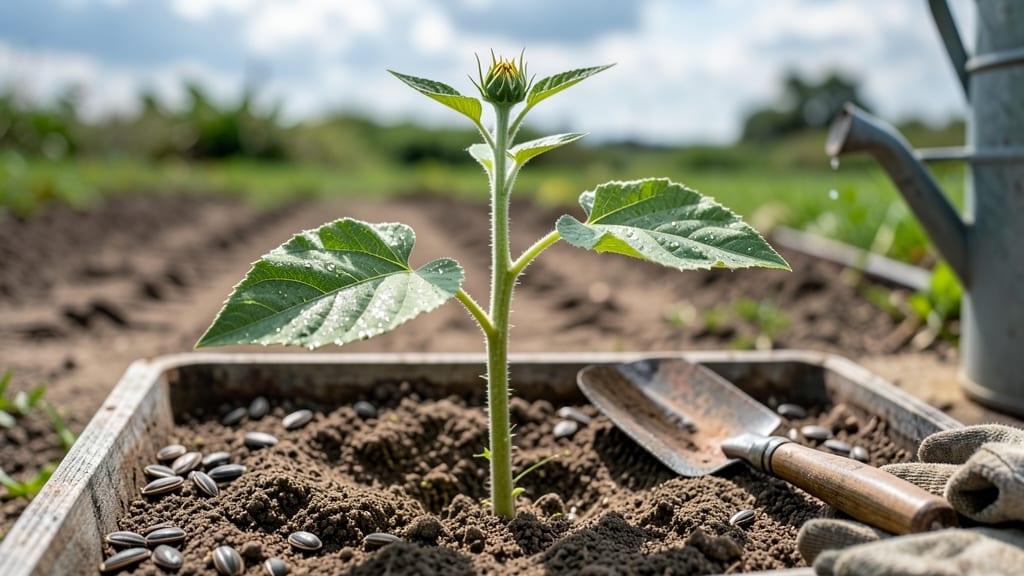
Plant sunflower seeds in Zone 6 after your last frost date, typically between mid-April and early June, when soil temperatures hit 70°F+ for fast germination.
Get this wrong, and you’ll watch your seeds rot in cold soil or bolt in the heat—both mistakes I’ve made more times than I’d like to admit. The key isn’t just the calendar; it’s knowing when the ground is ready, not just when the frost is gone.
Zone 6’s short growing season means timing matters even more than for heat-loving plants. Too early, and frost zaps your seedlings. Too late, and your sunflowers 🌻 won’t mature before the first fall chill.
Below, I’ll show you how to check soil temps, pick the right varieties, and adjust for early vs. late starts.
You’ll leave here knowing exactly when to plant for taller, healthier sunflowers—plus a few tricks to speed up germination so your blooms arrive faster than your neighbors’.
Zone 6 sunflower planting calendar: frost dates vs. soil temperature rules
Sunflowers love Zone 6’s long summers, but getting them in the ground at the right time means fast germination and towering blooms. The key? Wait until both soil temperatures and frost risks align.
In most of Zone 6, that window opens around mid-April to early June, but your exact timing depends on whether you’re growing early varieties or heat-tolerant giants.
Most gardeners focus on last frost dates, but sunflower seeds need consistent soil temps above 70°F to sprout reliably. Cold soil slows germination down to a crawl—sometimes weeks!—while warm soil gets those first green leaves popping up in just 7–10 days.
That’s why I always check both the calendar and my soil thermometer before planting.
Here’s the catch: Early varieties (like ‘Autumn Beauty’) can handle cooler soil and shorter seasons, while tall decorative types (like ‘Russian Giant’) demand warmth and longer growing windows. Plant too early, and frost will nip tender seedlings. Plant too late, and your sunflowers might bolt before reaching their full height.
| Planting Factor | Traditional Varieties (e.g., 'Teddy Bear', 'Moulin Rouge') | Heat-Tolerant Varieties (e.g., 'Russian Giant', 'ProCut Hybrid') |
|---|---|---|
| Ideal Planting Window | Mid-April to late May (after last frost) | Late April to early June (warmer soil preferred) |
| Minimum Soil Temp for Germination | 65°F (can tolerate cooler soil) | 70°F+ (requires warmth for fast growth) |
| Days to Maturity | 60–90 days (early bloomers) | 90–120 days (longer season needed) |
| Frost Sensitivity | Moderate (young plants vulnerable) | High (requires consistent warmth) |
| Best for Zone 6 Growers Who... | Want quick blooms or shorter seasons | Prioritize height or late-season harvests |
Let’s break down the Zone 6 frost rules first. The average last frost date across most of Zone 6 falls between April 15 and May 1, but this varies by elevation and microclimate.
For example, Chicago’s suburbs typically see their last frost around April 20, while Denver’s front range might wait until May 10. Always check your local USDA frost map or use a frost calculator for precise timing.
But frost dates alone won’t guarantee success. Sunflower seeds need consistent warmth to germinate. If your soil is still chilly (below 65°F), seeds may rot or sprout erratically.
I’ve seen ‘Teddy Bear’ sunflowers take 3 weeks to germinate in cool soil—when they could have sprouted in 5 days with warmer temps. That’s why I recommend waiting until your soil hits 70°F+, even if it means planting a few weeks later.
For early varieties, you can push the envelope slightly. If you plant ‘Autumn Beauty’ in late March under row covers, you might get a head start. But be prepared to protect seedlings if frost threatens.
For tall varieties, like ‘Russian Giant’, I never plant before May 1—unless I’m using black plastic mulch to warm the soil faster.
Pro tip: Use a soil thermometer for 3 consecutive days above 70°F before planting. If you don’t have one, the finger test works in a pinch—stick your finger 1 inch deep into the soil. If it feels warm to the touch, it’s ready. If it’s cool, wait another week.
One more thing: Succession planting is your friend in Zone 6. Since sunflowers have short but intense growing seasons, I plant 2–3 batches spaced 2 weeks apart. This ensures a continuous bloom from July through October, even if the first batch gets hit by a late frost.
Remember, sunflowers are forgiving once established, but those first 10 days are critical. Get the timing right, and you’ll reward yourself with sunflowers taller than your fence—or at least a bountiful harvest of seeds for next year’s garden. Happy planting! 🌻
How to test soil temperature for perfect sunflower germination in Zone 6
Sunflower seeds need consistent warmth to sprout—70°F or higher is ideal for germination in Zone 6. Without testing, you might plant too early, risking frost damage or slow growth. A simple soil thermometer or DIY finger test can save your seeds from failure.
Cold soil is the #1 reason sunflower seeds rot in the ground. Even if the air feels warm, the soil may still be too chilly for seeds to break dormancy. Testing gives you the exact planting window to maximize your sunflower’s potential for those 10-foot-tall blooms.
Step-by-Step Soil Temperature Test
- 🌡️ Step 1: Choose a sunny spot – Test soil where you’ll plant. Avoid shaded areas; sunflowers need full sun to thrive.
- 📏 Step 2: Test depth – Sunflower seeds need 1-inch depth. Use a ruler or stick to mark the spot.
- 🌱 Step 3: Check temperature – Insert a soil thermometer 2-3 inches deep (where roots will grow). Wait 5 minutes for an accurate reading.
- 👆 Step 4: DIY finger test – If no thermometer, press your finger into the soil. If it feels warm like bathwater, it’s ready. Cold soil will feel chilly.
- ⏳ Step 5: Wait for warmth – Test daily. Soil warms fastest in afternoon sun. Plant only when temps stay above 70°F for 3+ days.
- 🔥 Step 6: Warm cold soil – Cover soil with black plastic for 3-5 days to raise temps. Remove before planting.
Common mistakes like planting in 50°F soil or ignoring afternoon warmth can delay germination by weeks. I once waited too long, and my seeds sprouted 3 weeks late, missing peak bloom time. Don’t let that happen to you!
For faster results, plant in raised beds—they warm up 2-3 weeks earlier than in-ground soil. Add compost to improve heat retention. If your soil stays cold past May, consider heat-loving varieties like ‘Moulin Rouge’.
Once soil hits 70°F+, plant seeds 1 inch deep and water gently. Check temps again in 7 days—if it drops below 60°F, cover seedlings with row fabric to protect them.