
Plants
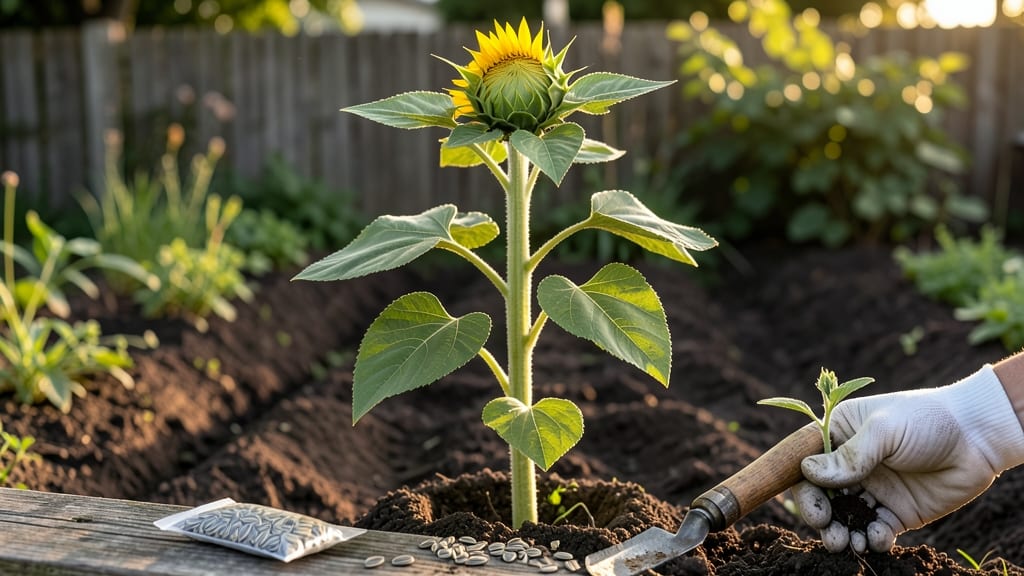
Planting sunflower seeds in North Carolina after the last frost—typically mid-April to mid-June—sets the stage for towering 🌻 blooms that last until fall.
But here’s the catch: miss that window, and you’ll end up with leggy, weak stalks that never reach their full potential—or worse, seedlings fried by summer’s early heat.
North Carolina’s microclimates mean the "right time" can vary by weeks between the coast and the mountains, so blindly following a one-size-fits-all rule won’t cut it.
In this guide, I’ll walk you through the exact frost-free deadlines by county, how to adjust for your specific zone (7a, 7b, or 8a), and whether a late-July planting for fall blooms is worth the gamble. Spoiler: soil temperature matters just as much as the calendar.
You’ll also discover the best sunflower varieties for NC’s short vs. long growing seasons, plus pro tips for direct sowing (the easiest method) and transplanting (if you’re in a hurry). Let’s get those seeds in the ground the right way.
NC sunflower planting deadlines by county: frost-free date map & key zones
North Carolina’s diverse climate zones mean sunflower planting deadlines can vary by 4-6 weeks between coastal and mountain regions. The Coastal Plain (USDA Zone 8a-8b) typically sees its last frost by March 15, while the Mountains (Zone 6a-7a) often wait until April 15 or later.
These differences directly impact your planting window for sunflowers, which thrive in warm soil.
For direct sowing, aim to plant sunflower seeds 2-4 weeks after your county’s average last frost date. In Zone 7a (Piedmont), this usually means mid-April to early May, while Zone 8b (Coastal Plain) gardeners can start as early as late March.
Transplants, however, need warmer soil temperatures (at least 60°F) and should go in 1-2 weeks after direct sowing.
Here’s a quick guide to NC’s three main regions and their sunflower planting deadlines:
Check your exact county’s frost dates using the NC State Extension’s frost-free map or local weather stations like NOAA’s Climate Data. These tools provide real-time updates that can shift planting deadlines by 1-2 weeks in unpredictable years.
For example, Raleigh (Wake County) saw its last frost as late as April 10 in 2021, pushing ideal planting back to early May.
For fall-blooming sunflowers, sow seeds late July to early August in all regions. This second planting takes advantage of NC’s long, warm summers and ensures blooms before the first frost in November.
Just be sure to choose fast-maturing varieties (like ‘Autumn Beauty’) to avoid stunted growth from cooler fall temperatures.
Pro tip: Use black plastic mulch in cooler regions to warm soil faster and extend your planting window by 10-14 days. This is especially helpful in the Mountains, where soil can stay chilly well into May.
Pair it with row covers for early transplants to protect tender seedlings from unexpected late frosts.
Remember, sunflowers are heat-loving annuals that perform best with consistent warmth. If you plant too early and face a late frost, your seedlings may bolt prematurely or develop weak stems. Always monitor soil temperatures—aim for 60°F or above—before planting.
For urban gardeners, microclimates can further shift deadlines. Areas near concrete or pavement (like downtown Charlotte) may warm up 2-3 weeks earlier than rural spots, while shady yards in the Piedmont might need a 2-week delay. Use a soil thermometer to confirm readiness before sowing.
Need help finding your county’s exact frost dates? Bookmark the NC State Extension’s Planting Calendar or call your local Cooperative Extension office. They’ll provide hyperlocal advice tailored to your garden’s unique conditions—because in NC, one county over can mean a completely different planting timeline for your sunflowers! 🌻
How to adjust sunflower planting for NC’s microclimates: heat tolerance & soil prep
North Carolina’s diverse landscapes—from the sandy Coastal Plain to the cooler Appalachian Mountains—create unique challenges for sunflower growers. Soil temperature and microclimate conditions can shift your planting window by weeks.
In urban heat islands, soil warms faster, while high-altitude regions may need later starts. Let’s break down how to adapt your approach for success.
Sunflowers thrive when soil temperatures reach 60°F+, but NC’s sandy soils (common in the east) warm quicker than clay-heavy soils (common in the Piedmont). Test your soil with a soil thermometer—plant only when the top 2 inches hit 60°F for 3 consecutive days.
In Zone 7a mountains, this might mean waiting until late May, while Zone 8a coastal areas could start as early as mid-April.
- 🌡️ Urban Heat Islands: Plant 2-3 weeks earlier (soil warms 10-15°F faster than rural areas). Use shade cloth for seedlings to prevent bolting.
- ⛰️ Mountain Regions (Zone 7a): Delay until after May 15—soil stays cool longer. Choose dwarf varieties like ‘Teddy Bear’ for shorter seasons.
- 🏜️ Sandy Soils (Coastal Plain): Amend with 2 inches of compost to retain moisture. Water deeply every 2 days until established.
- 🏡 Clay Soils (Piedmont): Loosen soil 12 inches deep and mix in sand or perlite for drainage. Mulch with straw to prevent crusting.
- 🌱 Companion Planting: Pair with bush beans (fixes nitrogen) or marigolds (repels pests). Avoid planting near potatoes—they compete for nutrients.
Mulching is your secret weapon for soil moisture retention and temperature regulation. Apply a 3-inch layer of straw or wood chips after seedlings emerge. This keeps roots 5-10°F cooler in summer and prevents bolting (premature flowering).
For sandy soils, add a thicker mulch layer (4 inches) to slow moisture loss.
In cooler microclimates like the Blue Ridge Mountains, extend your growing season by using black plastic mulch. This warms soil 5-8°F faster than bare ground, allowing you to plant 2 weeks earlier.
For urban gardens, consider container growing—black pots absorb heat and can jumpstart growth in late April.
Watch for pests like sunflower moths in hot, dry conditions. Interplant with basil or dill to deter them naturally. In clay soils, root rot is a risk—ensure proper drainage by amending with composted pine bark.
With these adjustments, your sunflowers will thrive across NC’s diverse climates, from coastal breezes to mountain chill.
Remember: Soil prep is just as critical as timing. Test your soil’s pH (6.0-7.0 ideal) and adjust with lime (to raise pH) or sulfur (to lower pH) before planting. Happy growing—your sunflowers will thank you with vibrant blooms all season! 🌻