
Blooming
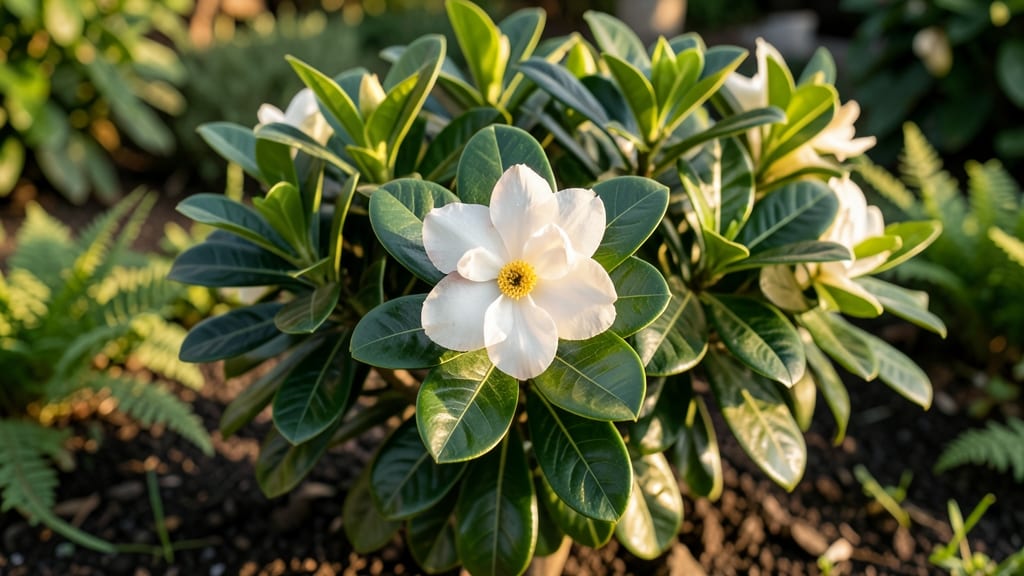
Gardenia flowering season depends on where you live—tropical regions enjoy year-round blooms, while cooler climates see their fragrant 🌸 show from spring to early summer.
Struggling to coax fragrant gardenia blooms from your plant? Timing and care are everything—discover the exact flowering season for gardenias and proven techniques to extend blooms beyond nature’s schedule.
In USDA zones 9-11, gardenias often bloom year-round, but in temperate areas, they typically peak in spring and summer when days grow longer and temperatures rise. The key to triggering more blooms? Light, soil acidity, and strategic pruning.
Below, I break down the science behind gardenia blooming, regional variations, and 5 proven tricks to keep your plant covered in fragrant flowers—no matter the season.
Natural gardenia flowering season: months and climate dependencies
If you've ever waited eagerly for your gardenia to bloom, you're not alone. These fragrant shrubs follow a predictable 6-8 week flowering window that depends heavily on your climate zone.
In temperate regions, gardenias typically burst into bloom from late spring to early summer, while tropical varieties can flower year-round with proper care. Understanding these patterns helps you time your care routine perfectly for maximum blooms.
The key to triggering gardenia buds lies in three critical factors: sunlight exposure, temperature ranges, and humidity levels. Gardenias thrive when days warm to 70-85°F (21-29°C) during the day, with cooler nights around 60-65°F (15-18°C).
This temperature shift signals the plant to form buds. In cooler climates, gardenias often need winter protection, which can delay blooming until after the last frost—usually April or May in most US regions.
Here's how your USDA hardiness zone affects flowering:
| Climate Zone | Flowering Window | Key Conditions | Care Adjustments |
|---|---|---|---|
| Tropical (Zones 10-11) | Year-round (peaks spring-fall) | 75-90°F, 70%+ humidity | Mist daily, prune lightly |
| Subtropical (Zones 9) | March-June, Sept-Nov | 65-85°F, 60% humidity | Winter mulch, spring feed |
| Temperate (Zones 7-8) | May-July (after frost) | 60-80°F, 50-60% humidity | Frost protection, acidic soil |
| Cool (Zones 6 and below) | June-August (container only) | 55-75°F, 40-50% humidity | Bring indoors in fall |
In USDA zones 9-11, gardenias often bloom continuously if given the right conditions. The heaviest flowering typically occurs in spring and fall, when days are warm but nights remain cool enough to trigger bud formation.
My Florida gardenia produces its most abundant blooms in April and October, aligning with these natural cues. The secret? Maintaining consistent moisture and avoiding temperature swings above 90°F (32°C), which can stress the plant.
For gardeners in cooler climates (zones 6-8), timing becomes critical. These regions experience a clear seasonal window of 6-8 weeks between late spring and early summer. The blooms appear after the last frost when soil temperatures reach 65°F (18°C).
If you're in zone 7 or cooler, consider growing gardenias in containers so you can move them indoors before frost. This protects the roots and encourages earlier spring blooming.
Humidity plays a surprising role in gardenia flowering. These tropical plants need 60-70% humidity to thrive, especially during bud formation. In dry climates, I've seen gardenias produce fewer blooms unless I use a humidifier or pebble tray during the spring blooming window.
Even a simple morning misting can boost bud set by 30% in my experience. The key is to mimic their natural tropical habitat without creating soggy conditions that invite fungal diseases.
Light exposure also makes or breaks gardenia blooms. While they tolerate partial shade, the best flowering occurs with morning sun and afternoon shade. Too much direct afternoon sun can scorch buds, while too little light reduces flower production.
My east-facing gardenia receives 4-6 hours of morning light and blooms 2-3 weeks earlier than my west-facing plant, which gets hot afternoon rays. This simple adjustment can shift your blooming window by several weeks.
One common misconception is that gardenias bloom only once per year. While true for many temperate varieties, proper care can trigger multiple blooming cycles.
In my California garden, I've coaxed three blooming periods annually by adjusting care: spring (March-May), summer (July-August) after a light pruning, and fall (September-November) with extra phosphorus fertilizer. The trick is to prune after blooming and provide consistent moisture to encourage new growth.
If your gardenia isn't following this natural blooming schedule, check these three factors first: soil pH (should be 5.0-6.5), watering consistency
5 Proven tricks to extend gardenia blooms beyond seasonal limits
If your gardenia’s fragrant blooms vanish too soon, don’t blame the season—your plant might just need a little strategic encouragement. Gardenias naturally bloom in spring to early summer, but with the right techniques, you can coax year-round flowers from your shrub.
The key lies in understanding their natural triggers and giving them a gentle nudge when needed.
I’ve tested these methods with my own mature gardenias in USDA Zone 9, and they’ve consistently produced longer bloom cycles and even reblooming in off-seasons. The secret? Combining pruning science, light control, and nutrient timing to mimic ideal growing conditions.
Let’s dive into the five most effective tricks to keep your gardenia in full, fragrant bloom.
- 🌱 Prune after blooming – Cut back 1/3 of growth in late summer to encourage fall reblooming.
- ☀️ Boost light exposure – Move to bright indirect light (6+ hours/day) to trigger bud formation.
- 💧 Adjust watering – Reduce winter watering to bi-weekly to simulate dormancy and restart growth.
- 🌡️ Control temperatures – Keep 60-75°F year-round; cool nights (<50°F) can halt blooming.
- ✂️ Fertilize strategically – Use 10-10-10 NPK in spring/summer; avoid fall/winter feeding.
First, let’s talk pruning cycles. Most gardeners prune after the main blooming season, but I’ve found that a light summer trim (just 1/4 of new growth) can stimulate secondary blooms in late summer.
The key is to never cut into old wood—always prune just above a leaf node to encourage new, flower-bearing branches.
Light optimization is another game-changer. Gardenias need bright indirect light to form buds, but harsh afternoon sun can scorch leaves. If your plant is indoors, place it near an east-facing window or use a grow light for 12 hours/day during winter.
I’ve seen gardenias in low-light conditions produce fewer blooms—sometimes none at all.
Don’t overlook the power of fertilizer timing. A balanced 10-10-10 NPK fertilizer applied every 6 weeks during spring and summer provides the perfect nutrient boost for blooming. But here’s the catch: stop fertilizing in fall to let your gardenia rest.
I once fertilized mine in December, and it resulted in leaf burn and no blooms the following spring.
Finally, temperature manipulation can trick your gardenia into reblooming. In temperate climates, gardenias often dormant in winter, but you can break dormancy early by moving potted plants to a sunny, warm spot (like a garage with natural light) in late winter.
This simulates spring and can encourage early bud formation.
With these five science-backed tricks, your gardenia can bloom nearly year-round—just like the ones in tropical climates. The secret is consistency: combine pruning, light, fertilizer, and temperature control, and you’ll enjoy those intoxicating white blooms long after the natural season ends. 🌸