
Size
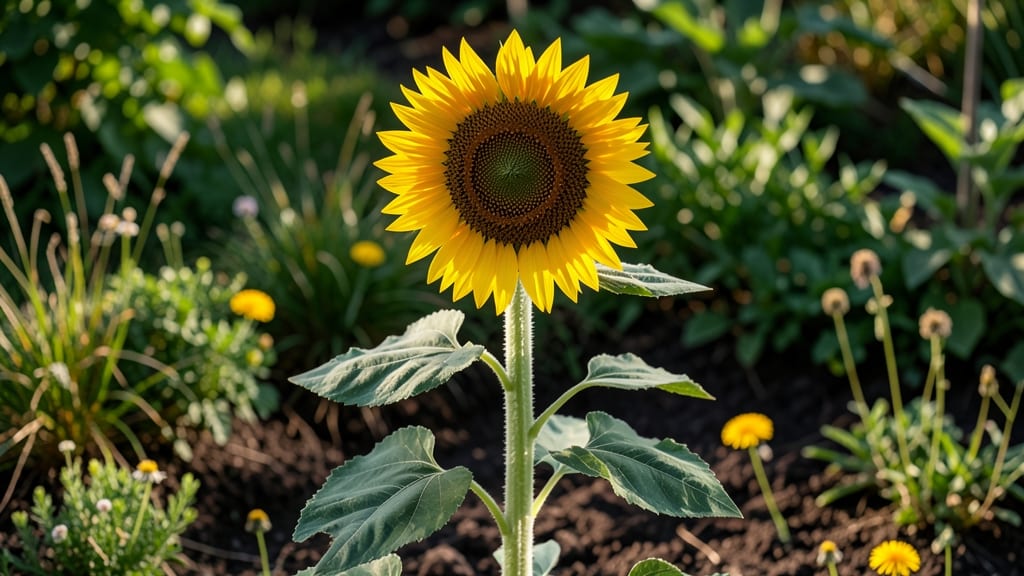
Sunflowers can grow anywhere from 1 foot to over 16 feet tall, depending on the variety you choose — and that height makes all the difference in your garden layout.
Imagine planning your flower beds only to realize your 12-foot giants are crowding out your smaller plants, or worse, toppling over in the first wind. The right spacing and variety choice isn’t just about aesthetics; it’s about creating a thriving ecosystem where every plant has room to shine.
Whether you’re dreaming of a sunflower-lined fence or a compact container garden, knowing the height range of your chosen variety is the first step to perfect spacing.
From dwarf varieties like 'Teddy Bear' to towering 'Russian Giants,' each type has its own needs—and we’ll break down how to match them to your space.
You’ll discover how height affects everything from pollinator visits to wind resistance, plus pro tips for staking and companion planting that keep your sunflowers standing tall all season.

Sunflower height ranges by variety: dwarf to giant types explained
Sunflowers come in a stunning range of heights, from compact dwarfs perfect for containers to towering giants that reach skyscraper proportions. Understanding these height ranges helps you plan your garden layout, choose the right varieties for your space, and provide proper support when needed.
Whether you're growing sunflowers for cut flowers, birdseed, or simply to brighten up your yard, knowing the mature height of your chosen variety is essential.
Most sunflower varieties fall into four distinct height categories: dwarf (1-3 ft), semi-dwarf (3-6 ft), standard (6-12 ft), and giant (10-16+ ft). Each category offers unique benefits and challenges.
For example, dwarf varieties like 'Teddy Bear' are ideal for small gardens or containers, while giant varieties like 'Russian Giant' can become architectural focal points. Let's explore the specifics of each category and some popular varieties within them.
Here's a quick reference table to help you visualize the height ranges and choose the best varieties for your garden:
| Variety | Height Range | Best For | Support Needed |
|---|---|---|---|
| Teddy Bear | 1-3 ft | Containers, borders | None |
| Moulin Rouge | 2-4 ft | Cut flowers, small gardens | None |
| Autumn Beauty | 3-6 ft | Pollinators, cut flowers | None (light wind) |
| ProCut | 4-6 ft | Floral arrangements | None |
| Russian Giant | 10-14 ft | Focal points, birdseed | Staking required |
| Mammoth | 12-16 ft | Dramatic displays | Heavy staking |
| Giant Russian | 12-16+ ft | Record-breaking gardens | Heavy staking |
Dwarf sunflowers like 'Teddy Bear' and 'Moulin Rouge' are perfect for small spaces or container gardening. These varieties typically reach 1-4 feet tall and produce bright, cheerful blooms without overwhelming your garden.
They're also great for cut flowers because their shorter stems are easier to handle. If you're growing sunflowers in pots, dwarf varieties are your best bet, as they won't outgrow their containers.
Semi-dwarf varieties like 'Autumn Beauty' and 'ProCut' bridge the gap between compact and towering sunflowers, usually reaching 3-6 feet tall. These are versatile choices that work well in border plantings, pollinator gardens, and cut flower arrangements.
They're sturdy enough to stand on their own in most conditions but won't dominate your garden layout. 'Autumn Beauty' is particularly popular for its multi-colored petals and long bloom time, making it a favorite for both gardeners and pollinators.
Standard sunflowers, such as 'Evening Sun' and 'Sunspot,' typically grow 6-12 feet tall and are excellent for back-of-the-border plantings or mixed flower beds. These varieties offer a balance between height and manageability, making them ideal for gardeners who want dramatic sunflowers without the challenges of giant varieties.
They often require minimal support unless grown in windy areas or heavy soil. Their large, vibrant blooms also make them a favorite for cut flower arrangements and photography.
Giant sunflowers like 'Russian Giant' and 'Mammoth' are the showstoppers of the garden, often reaching 10-16 feet tall or even higher. These varieties are perfect for large open spaces, farmers' markets, or landscaping projects where you want to make a bold statement.
However, their impressive height comes with challenges. Giant sunflowers typically require
How sunflower height affects spacing, pollination, and garden design
Sunflower height isn’t just about how dramatic your garden looks—it directly impacts how you space your plants, attract pollinators, and even design your garden layout. Taller varieties like 'Russian Giant' need 2-3 feet between plants to avoid overcrowding, while dwarf types like 'Teddy Bear' thrive in tight 6-inch clusters.
This height difference also affects how wind and sunlight reach the flower heads, influencing pollination success.
Taller sunflowers act like natural windbreaks for shorter plants, while dwarfs create low-growing borders that frame taller blooms. Their height even determines which companion plants work best—like pairing giants with beans (for nitrogen fixation) or dwarfs with marigolds (for pest control).
Let’s break down how to use height to your garden’s advantage.
- Dwarf varieties (1-3 ft): Space 6 inches apart for borders or containers. Ideal for pollinator-friendly edges.
- Semi-dwarf (3-6 ft): Allow 1-2 feet spacing to prevent shading smaller plants below.
- Standard (6-10 ft): Plant 2-3 feet apart to ensure sunlight penetration for all blooms.
- Giant (10-16+ ft): Space 3-4 feet apart and use stakes to prevent lodging in wind.
- Pollinator tip: Taller sunflowers attract bees and butterflies from farther away than dwarfs.
- Wind resistance: Dwarfs bend easily; giants need support stakes in storm-prone areas.
Proper spacing isn’t just about avoiding crowded stalks—it’s about creating an optimal pollination environment. Bees prefer sunflowers with unobstructed access, so taller varieties should face open areas where pollinators can land and move freely.
For example, a 12-foot 'Russian Giant' planted in a corner might get less pollination than one in the center of your garden.
Height also plays a role in garden design. Use tall varieties as backdrop plants behind shorter annuals like zinnias or cosmos, while dwarfs create textured borders along pathways.
For a pollinator superhighway, interplant tall sunflowers with low-growing lavender—bees will travel from one to the other effortlessly. Just ensure taller types don’t shade out their companions.
Wind resistance is another critical factor. Giant sunflowers (10+ feet) often need staking or tutoring to prevent lodging, especially in coastal or open-field gardens. I’ve seen 14-foot stalks snap in 30 mph winds—a disaster for both aesthetics and seed production.
For windy areas, choose semi-dwarf varieties or install bamboo stakes at planting time.
Finally, height influences companion planting strategies. Tall sunflowers pair well with climbing plants like pole beans (they fix nitrogen in the soil), while dwarfs complement ground covers such as creeping thyme.
Avoid planting sunflowers near carrots or parsnips, as their shallow roots compete for nutrients—especially in crowded dwarf clusters. Instead, use sunflowers to mark garden edges or create living windbreaks.
Next time you’re planning your sunflower patch, measure twice and plant once—your garden’s pollinators, wind resistance, and design flow will thank you! 🌻