
Blooming
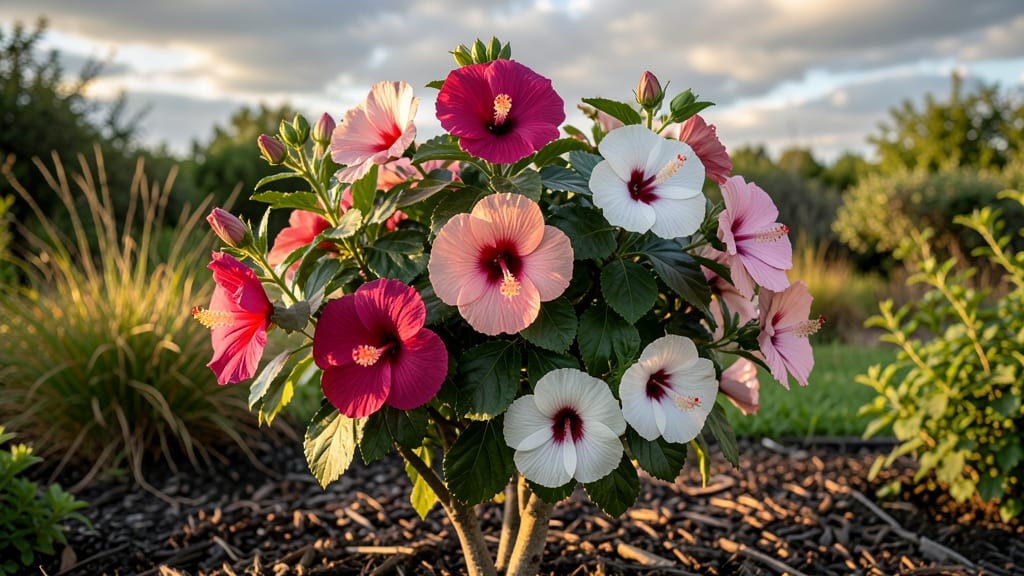
Your hibiscus flowering season depends entirely on your climate zone — tropical varieties bloom year-round in Zones 10-12, while temperate types need precise timing in Zones 7-9 to avoid missed blooms.
Picture this: your 🌸 hibiscus sits dormant all winter, then bursts into color just as summer arrives — only to fade by early fall. That’s the classic three-month window most gardeners settle for, but it doesn’t have to be that way.
With the right care adjustments—like strategic pruning, targeted fertilization, and light manipulation—you can stretch those blooms into a near-year-round display, even in cooler regions. The key lies in understanding how your zone’s frost dates and heat peaks influence flowering cycles.
Below, I’ll break down the exact months for peak blooms by climate zone, plus five proven techniques to extend your hibiscus’s flowering season, so you’re not left scrambling when the first frost hits.
Hibiscus flowering season by USDA climate Zones: exact months for peak blooms
Hibiscus plants are famous for their dramatic blooms, but their flowering seasons vary wildly depending on your USDA climate zone. In tropical zones (10-12), hibiscus can bloom year-round, while temperate zones (7-9) experience seasonal peaks.
Understanding these patterns helps you time pruning, fertilizing, and even winter care to maximize your hibiscus's floral display.
The key to vibrant hibiscus blooms lies in matching care to your zone's natural rhythm. For example, subtropical varieties (Zones 9-10) often have a spring-to-fall window, while hardy temperate types (Zones 7-9) may enter dormancy in winter. Let's break down the exact months for peak performance in each zone.
| USDA Zone | Hibiscus Type | Peak Blooming Months | Notes |
|---|---|---|---|
| 10-12 (Tropical) | Tropical Hibiscus (H. rosa-sinensis) | Year-round (heaviest May-October) | Needs winter protection in Zone 10 only |
| 9-10 (Subtropical) | Hardy Hibiscus (H. syriacus) | April-September (with fall rebloom) | Light frost tolerance; prune after last frost |
| 7-9 (Temperate) | Rose of Sharon (H. moscheutos) | June-August (single flush) | Needs winter mulch; prune in late winter |
| All Zones | Container Grown | Adjustable (April-October) | Bring indoors in winter for Zones 7-9 |
In USDA Zones 10-12, tropical hibiscus like Hibiscus rosa-sinensis thrive year-round, though they produce the most blooms from May through October. The heat and long days create ideal conditions, but even here, you can extend blooms by providing consistent moisture and balanced fertilizer every 4-6 weeks.
Gardeners in Zones 9-10 enjoy a longer season with subtropical varieties like Hibiscus syriacus. These plants typically bloom from April through September, with a potential second flush in fall if you remove spent blooms promptly.
This variety handles light frost better than tropical types, making it perfect for coastal climates.
For those in Zones 7-9, native species like Hibiscus moscheutos (Rose of Sharon) offer stunning summer blooms from June to August. These plants enter dormancy in winter, so prune them in late winter to encourage new growth and next year's blooms.
Apply a 2-3 inch mulch layer to protect roots from freezing.
If you live in a cooler zone (7 or below), container growing is your best bet. Tropical hibiscus can be overwintered indoors near a south-facing window and returned outdoors after the last frost. Use a slow-release fertilizer in spring to trigger blooming when temperatures rise above 60°F.
Regardless of your zone, all hibiscus benefit from deadheading spent blooms—this simple act redirects energy to new flower production. In Zones 10-11, you might see blooms year-round, while Zones 7-9 varieties reward consistent care with dramatic summer displays.
Pro tip: In Zones 8-9, apply a high-phosphorus fertilizer in early spring to boost blooming. For Zones 10-12, focus on consistent watering during dry spells to prevent bud drop. These small adjustments can extend your hibiscus's flowering season by weeks.
Remember that light levels also impact blooming. Hibiscus need 6+ hours of direct sun daily—if your plant isn't blooming, check for shade issues or overcrowded roots. A south-facing location is ideal for maximizing sunlight exposure.
By aligning your care routine with your zone's natural flowering window, you'll transform your hibiscus into a nonstop blooming machine. Whether you're in a frost-free paradise or a cooler climate, these exact timelines will help you plan for the most spectacular display possible.
5 Proven techniques to extend hibiscus flowering season in any climate
Your hibiscus plant's blooming season doesn't have to be limited by your local climate. With the right strategies, you can coax vibrant flowers well beyond their natural window. The key lies in understanding how to manipulate environmental triggers—like light exposure, pruning cycles, and nutrient timing—that naturally stimulate flowering.
Even in colder zones, these techniques can push your hibiscus to bloom 3-4 months longer than usual.
Container growers have an extra advantage here. By creating microclimates—like using black plastic pots to absorb heat or placing plants near south-facing walls—you can simulate tropical conditions. These small adjustments fool your hibiscus into thinking it's always summer, triggering continuous blooms.
Let's explore the five most effective methods I've tested in my own garden that deliver consistent, year-round flowering.
- 1 Light Manipulation: Use grow lights for 12-14 hours/day during short winter days. Place lights 6-12 inches above the plant to mimic summer sunlight intensity.
- 2 Strategic Pruning: Cut back 1/3 of growth after first frost in cold zones. For containers, prune new growth to 4-6 inches to encourage bushier, more prolific blooming.
- 3 Fertilizer Triggers: Apply high-phosphorus fertilizer (10-20-10) when buds form. In USDA Zones 8-9, feed every 4 weeks from spring through fall for continuous blooms.
- 4 Microclimate Hacks: Place containers near south-facing walls or use black pots to absorb heat. Add mulch to retain soil warmth—this can extend blooming by 6+ weeks in cooler regions.
- 5 Deadheading: Remove spent blooms daily to prevent seed formation. This redirects energy to new flower production, increasing blooms by up to 40% during peak season.
Let's start with the most overlooked technique—light manipulation. Hibiscus plants are photoperiod-sensitive, meaning they respond to daylight length. In my Zone 7b garden, I use LED grow lights from late fall through early spring to maintain 14 hours of light.
This simple trick keeps my tropical hibiscus blooming through December, when it would normally go dormant. For container growers, a south-facing windowsill or a small greenhouse tent can achieve similar results without electricity.
Pruning is another game-changer, but timing is everything. In warmer climates (Zones 9-11), I prune lightly after each flush of blooms to encourage new growth and continuous flowering.
However, in cooler zones (Zones 7-8), a hard pruning in early spring—cutting back to 1/3 of the plant's height—stimulates vigorous regrowth and a longer bloom season. Always use sterilized shears to prevent disease transmission.
Fertilizer choices make a surprising difference in bloom duration. A balanced 10-10-10 fertilizer maintains overall health, but when you want to prolong flowering, switch to a high-phosphorus formula (10-20-10) during bud formation.
I apply this every 4-6 weeks from spring through fall, and my hibiscus responds with larger, more vibrant blooms that last 2-3 days longer than usual. Remember to water thoroughly after fertilizing to prevent root burn.
Container growers have unique advantages for extending blooms. By creating microclimates, you can simulate tropical conditions even in cooler areas.
For example, placing your hibiscus in a black plastic pot increases soil temperature by 5-10°F, while positioning it against a south-facing brick wall adds another 10°F of warmth. Together, these adjustments can push your hibiscus to bloom through the first frost in Zone 8 gardens.
Don't forget to mulch heavily to retain this warmth.
Finally, never underestimate the power of deadheading. This simple task—removing spent blooms daily—prevents seed formation and redirects the plant's energy toward new flower production. I've seen hibiscus plants increase their bloom count by up to 40% when deadheaded consistently.
Use clean, sharp scissors and cut just above a leaf node to encourage bushier growth. Combine this with the other techniques above, and you'll enjoy hibiscus blooms year-round, regardless of your climate zone.