
How To
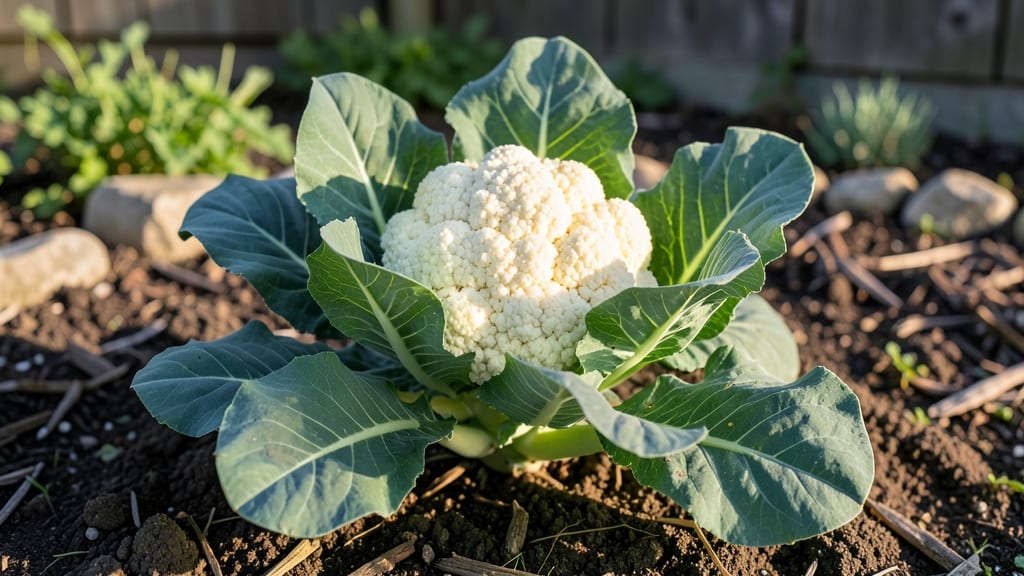
A mature cauliflower 🥬 head typically grows between 6 and 12 inches wide, with plants reaching 1 to 2 feet tall—but getting the spacing right is the secret to bigger, healthier harvests.
Picture this: you’ve just planted your spring crop, and by summer, your cauliflower heads are fighting for space, stunted by overcrowding. That’s not just a missed harvest—it’s a recipe for disease and poor yield.
The truth is, how much room your cauliflower needs depends on the variety, but even dwarf types need at least 12 inches apart to thrive.
In this guide, we’ll cover the exact spacing rules for different cauliflower varieties, how to adjust for small gardens or large plots, and why proper spacing is the game-changer for a bountiful harvest.
You’ll learn how to maximize your garden layout, avoid common mistakes, and even squeeze in extra plants without sacrificing size or quality—so you can enjoy those perfect, firm heads from June through August.
Cauliflower plant size and growth stages: what to expect
Cauliflower plants go through three distinct growth stages—each with its own size requirements and care needs. Understanding these stages helps you plan your garden layout, predict harvest times, and avoid common pitfalls like crowded plants or poor head formation.
From tiny seedlings to mature plants with 12-inch heads, here’s what to expect at every step.
At the seedling stage, cauliflower plants are delicate and compact, typically reaching just 2-4 inches tall with a spread of 1-2 inches. This early phase lasts about 4-6 weeks after germination, where proper spacing (even in seed trays) prevents root competition and ensures strong stems for later growth.
Overcrowding now can lead to weak, leggy plants that struggle to support their eventual heavy heads.
| Stage | Height | Width | Head Size | Days to Reach |
|---|---|---|---|---|
| Seedling | 2-4 inches | 1-2 inches | None | 4-6 weeks |
| Head Formation | 12-18 inches | 12-18 inches | 4-6 inches | 6-8 weeks |
| Mature (Harvest) | 18-24 inches | 24-30 inches | 6-12 inches | 8-12 weeks |
The head formation stage is where cauliflower plants really bulk up, growing 12-18 inches tall with a spread of 12-18 inches.
During this 6-8 week phase, the plant’s energy shifts from leafy growth to developing the curd head, which starts as a small bump and expands to 4-6 inches in diameter.
Proper spacing (at least 18 inches apart) is critical here—too little room leads to smaller heads or poor flavor due to competition for nutrients.
By maturity, cauliflower plants reach their full 18-24 inches in height and 24-30 inches in width, with heads that can grow up to 12 inches across. Varieties like Romanesco or purple cauliflower may have slightly smaller heads (6-8 inches) but taller stalks (up to 2 feet).
Dwarf varieties, like ‘Snowball Y Improved’, stay shorter (12 inches tall) but still need adequate spacing to prevent disease spread.
Understanding these size milestones helps you time your harvest correctly. For example, early varieties (like ‘Primo’) mature in 60-70 days with 6-inch heads, while late varieties (like ‘Chef’s Choice’) take 80-90 days to produce 10-inch heads.
Planting a mix of varieties lets you stagger harvests and extend your season.
One often-overlooked factor is how variety affects growth patterns. Miniature varieties (e.g., ‘Graffiti’) stay compact (8-12 inches tall) and produce 3-4 inch heads, making them ideal for containers or small gardens.
In contrast, standard varieties like ‘Snowball’ demand more space but yield larger heads (up to 12 inches). Always check seed packets for mature plant dimensions—this info directly impacts your garden’s layout.
Proper spacing isn’t just about size—it’s about air circulation, which reduces the risk of rot and fungal diseases like clubroot or downy mildew. Crowded plants trap moisture, creating the perfect conditions for pathogens to thrive.
For example, spacing 24 inches apart in rows 30 inches apart gives plants room to fluff out their leaves and dry quickly after watering, cutting disease risk by up to 50%.
If you’re growing cauliflower in containers, choose varieties bred for small spaces (like ‘Purple of Sicily’) and use pots at least 12 inches deep and wide. Even then, expect slightly smaller heads (4-6 inches) compared to in-ground plants.
For large gardens, consider wide-row planting (rows 36 inches apart) to improve access and airflow while maximizing yield.
Pay attention to your plants’ growth rate—slow growth in the head formation stage often signals nutrient deficiencies (like nitrogen or boron) or poor soil structure. Amend your soil with compost or aged manure before planting to ensure steady growth.
And remember: over-fertilizing with nitrogen can lead to lush leaves but small, underdeveloped heads.
Finally, don’t forget that harvest timing affects size. Leaving a head on the plant too long causes it to open up and turn yellow, while harvesting too early results in small, underdeveloped curds.
Aim to harvest when the head is firm, compact, and fully colored, typically 70-90 days after transplanting, depending on the variety. With the right spacing and care, you’ll enjoy plump, flavorful heads that make your gardening efforts worthwhile.
Optimal spacing rules for cauliflower plants by variety
Cauliflower plants vary dramatically in size depending on the variety you choose, and spacing directly impacts head size, disease resistance, and harvest quantity. Compact varieties like Purple of Sicily can thrive in tight spaces, while large Romanesco varieties need room to develop their signature fractal heads.
Getting this right prevents overcrowding, which leads to smaller heads and increased fungal diseases like club root.
Spacing also affects how many plants you can fit in your garden. For example, dwarf varieties like Snowball Y Improved can be planted just 12 inches apart, while standard varieties like Early White need 18-24 inches between plants.
Below, I’ll break down the exact spacing rules for the most popular cauliflower varieties to help you plan your garden layout like a pro.
| Variety | Mature Plant Size | Optimal Spacing | Head Size | Notes |
|---|---|---|---|---|
| Dwarf Varieties (e.g., Snowball Y Improved) | 8-12 inches tall | 12-18 inches apart | 4-6 inches diameter | Ideal for containers or small gardens |
| Semi-Dwarf (e.g., Purple of Sicily) | 12-18 inches tall | 18-24 inches apart | 6-8 inches diameter | Great for raised beds or small plots |
| Standard (e.g., Early White) | 18-24 inches tall | 24-36 inches apart | 8-12 inches diameter | Best for large gardens or commercial plots |
| Romanesco (e.g., Veronica) | 24-30 inches tall | 36-48 inches apart | 10-14 inches diameter | Needs extra space for unique head shape |
One of the biggest mistakes I see in home gardens is overcrowding cauliflower plants to fit more into a small space. This leads to stunted growth and poor air circulation, which invites diseases like downy mildew or black rot.
Always follow the minimum spacing guidelines for your variety, and consider trellising for larger varieties to save space vertically.
If you’re growing multiple varieties in the same garden, place the tallest varieties (like Romanesco) at the back or north side to avoid shading shorter varieties. This simple trick ensures all plants get the 6+ hours of sunlight they need for healthy head formation.
For example, pair Purple of Sicily with bush beans or lettuce to maximize space efficiency.
Proper spacing also affects harvest timing. Well-spaced plants develop larger, firmer heads that mature more uniformly. For instance, Romanesco varieties need the extra room to grow their intricate fractal heads, which can take 2-3 weeks longer to mature compared to compact varieties.
Plan your harvest schedule accordingly to avoid missing the optimal picking window.
For container gardening, choose dwarf varieties like Snowball Y Improved and plant just one per 12-inch pot. Larger varieties will struggle in containers and produce small, underdeveloped heads.
If you’re using raised beds, space plants 18 inches apart in rows 24 inches apart to allow for easy access and airflow.
Remember, soil fertility and water consistency also play a role in head size. Even with perfect spacing, poor soil or uneven watering can result in small, loose heads.
Always amend your soil with compost and use mulch to retain moisture. With the right spacing and care, you’ll enjoy bountiful, high-quality cauliflower harvests all season long! 🌱