
How To
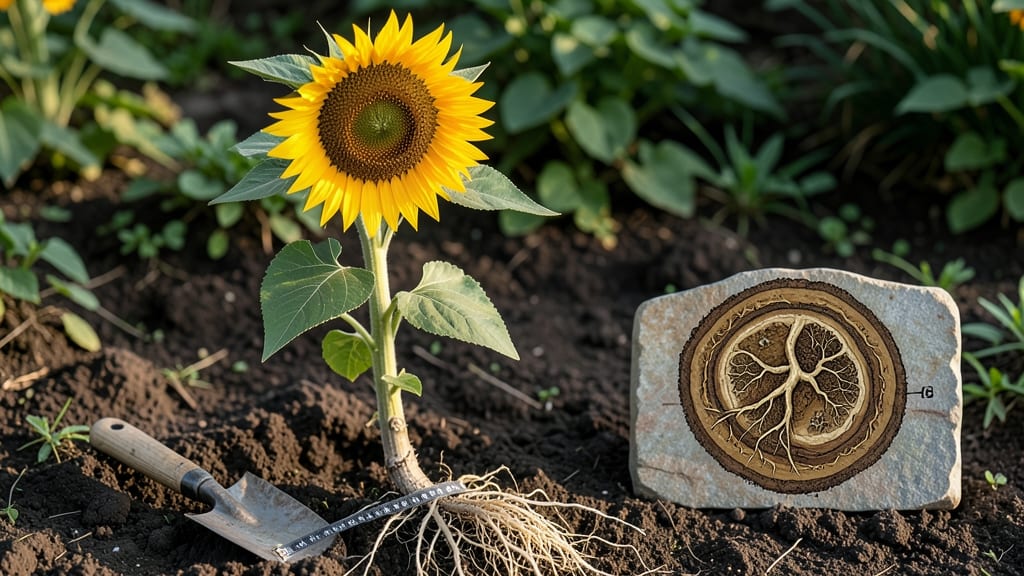
Sunflower roots grow surprisingly deep—often reaching 3 to 6 feet—to anchor these towering plants against wind and drought. 🌻 If you’ve ever watched a sunflower sway in a breeze and wondered how it stays upright, the answer lies beneath the soil.
Most gardeners assume sunflowers need shallow roots, but their strength comes from a powerful taproot that dives deep. This isn’t just about stability—it also determines how well your plants handle dry spells and poor soil.
Understanding this depth helps you plant, water, and space them correctly for the strongest stems and biggest blooms.
In this guide, I’ll break down how deep sunflower roots typically grow, what affects their depth, and how you can encourage healthier root systems. Whether you’re growing dwarf varieties or giants, these insights will help you avoid common mistakes and get the most out of your sunflowers.
Ready to dig deeper? You’ll learn how to prepare your soil, adjust your watering routine, and even choose the right spacing for roots that reach their full potential.
Sunflower root depth explained: how deep do they grow?
Sunflowers may seem all about their towering bright yellow blooms, but their true foundation lies underground. The sunflower root system is a marvel of nature's engineering, designed to anchor these giants while accessing deep moisture and nutrients.
Understanding how deep these roots grow helps you plant, water, and care for them effectively—especially in windy or drought-prone areas.
Most sunflower varieties develop a primary taproot that extends 3 to 6 feet deep, with lateral roots spreading outward to create a sturdy network. This depth isn’t just impressive—it’s essential for stability and survival.
Dwarf varieties, like 'Teddy Bear', may only reach 12 to 18 inches, while giant varieties like 'Mammoth' can plunge roots 6 feet or deeper into the soil. The deeper the roots, the more resilient your sunflowers will be against storms and dry spells.
The taproot is the sunflower’s main structural support, acting like a stake to hold the plant upright. As the plant grows, the taproot elongates rapidly, especially in loose, well-drained soil. Lateral roots branch out from the taproot, creating a wide network that absorbs water and nutrients from the surrounding soil.
This dual system ensures your sunflowers stay hydrated even during dry spells and provides the strength needed to support their massive flower heads, which can weigh up to 2 pounds each!
Soil type plays a crucial role in root development. In sandy soil, roots may grow deeper and faster due to easier penetration, while clay soil can restrict root growth, forcing them to spread laterally instead.
If your soil is heavy or compacted, consider amending it with compost or sand to encourage deeper root penetration. Well-drained soil is non-negotiable—sunflowers hate soggy roots, which can lead to rot and stunt growth.
Why does root depth matter so much? Deeper roots mean your sunflowers can access water stored deep underground, reducing the frequency of watering needed once established. They also tap into nutrients like phosphorus and potassium, which are often found deeper in the soil profile.
Without adequate root depth, sunflowers may struggle in hot, dry conditions or become top-heavy and prone to lodging (falling over) in windy areas.
If you’re growing sunflowers in containers, choose dwarf varieties to avoid root restriction. Even then, ensure your pots are at least 12 inches deep to accommodate the root system.
For in-ground planting, space sunflowers 12 to 24 inches apart, depending on the variety, to give roots room to spread without competing for resources. Proper spacing also improves air circulation, reducing the risk of fungal diseases that thrive in crowded, damp conditions.
One common mistake gardeners make is overwatering young sunflowers. While consistent moisture is important during germination, deep but infrequent watering encourages roots to grow downward in search of water. Shallow, frequent watering can lead to weak, shallow roots that struggle to support the plant’s height.
Aim to water deeply once or twice a week, depending on rainfall, and always water at the base of the plant to avoid wetting the foliage.
Sunflowers also benefit from a technique called deep cultivation. Before planting, loosen the soil to a depth of 12 to 18 inches to reduce resistance for the roots as they grow. This is especially important in areas with hardpan or compacted subsoil.
Adding a layer of organic mulch** around the base of the plant helps retain moisture and regulates soil temperature, creating ideal conditions for root development.
In summary, sunflower roots are a powerhouse of stability and resilience. Whether you're growing dwarf varieties for containers or giants for cut flowers, understanding their root depth helps you create the perfect growing conditions.
By focusing on soil preparation, proper spacing, and deep watering techniques, you’ll give your sunflowers the strong foundation they need to thrive—both above and below ground. 🌱
Factors that influence sunflower root growth depth
Sunflower roots develop incredible depth to access nutrients and water, but their growth isn't uniform—it's shaped by your garden's conditions. The soil type plays a starring role, with sandy soil allowing roots to penetrate deeper than clay-heavy soil, where compaction can stunt growth.
Even the water availability affects how far roots will stretch, as deeper roots seek moisture in dry climates. Let's explore how these factors interact to determine root depth in your sunflowers.
In arid climates, sunflowers often develop roots reaching 3-6 feet to access groundwater, while humid regions may see shallower roots (18-24 inches) since moisture is abundant near the surface. Sunlight exposure also matters—plants in full sun grow deeper roots than those in partial shade, as they need to anchor against stronger winds.
Even your cultivation techniques, like spacing and tilling, can either encourage or restrict root development.
| Factor | Impact on Root Depth | Climate Adaptation | Garden Solution |
|---|---|---|---|
| Soil Type | Sandy soil: 3-6 ft | Clay soil: 18-24 in | Arid: Deeper | Humid: Shallower | Add compost to improve drainage |
| Water Availability | Dry: 3-5 ft | Wet: 12-18 in | Desert: Deep | Rainy: Shallow | Deep watering 2x/week |
| Sunlight Exposure | Full sun: 3-6 ft | Partial shade: 12-24 in | Sunny: Stronger roots | Ensure 6+ hours direct sun |
| Spacing | Tight: 12-18 in | Wide: 3-5 ft | Crowded: Shallow | Spaced: Deep | Plant 12-18 inches apart |
Your cultivation techniques directly impact root depth. Overcrowded plants develop shallow roots because they compete for space, while proper spacing (12-18 inches) allows roots to grow deeper. Tilling the soil before planting breaks up compaction, giving roots room to expand.
In clay-heavy soils, adding organic matter like compost improves drainage, encouraging deeper penetration. Even the way you water your sunflowers matters—deep, infrequent watering trains roots to grow downward, while shallow watering keeps them near the surface.
Climate plays a surprising role in root development. In hot, dry regions, sunflowers naturally grow deeper roots to access moisture, while in cool, wet climates, roots stay shallower because surface water is plentiful.
If you're growing sunflowers in containers, their root depth will be limited by pot size—typically 12-18 inches—so choose large containers with drainage holes. For in-ground planting, focus on soil preparation and spacing to maximize root growth potential.
One often-overlooked factor is wind exposure. Sunflowers in windy areas develop deeper roots to anchor themselves, while those in sheltered spots may grow more laterally. To encourage deeper roots, avoid disturbing the soil around established plants and mulch to maintain moisture.
Remember, deeper roots mean better drought resistance and greater stability, so optimizing these factors will lead to healthier, more resilient sunflowers.
By understanding these key variables, you can tailor your gardening approach to help sunflower roots reach their full potential. Whether you're dealing with sandy soil, limited water, or partial shade, small adjustments can make a big difference in root depth—and ultimately, your sunflowers' success. Happy growing! 🌱