
Planting
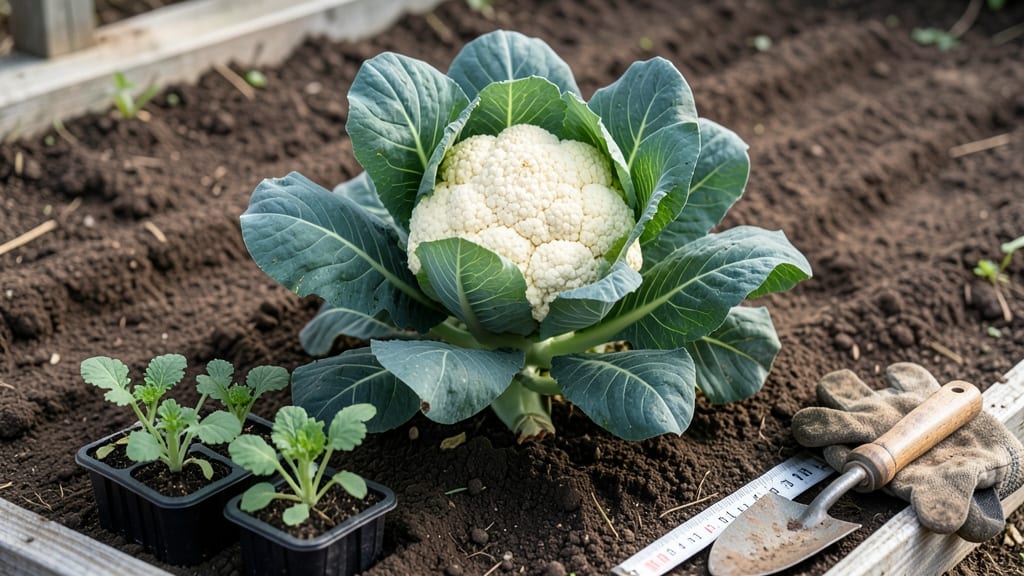
If you're wondering how far apart should cauliflower be planted for the best harvest, the answer starts with 18 to 24 inches 🥬—this spacing is key to growing those tight, flavorful heads you crave.
Struggling to get your cauliflower plants to grow into those perfect, tight heads? The secret might be hiding in your spacing strategy—planting too close or too far can ruin your harvest before it even starts.
Too little room means crowded roots competing for nutrients, leaving you with small, bitter heads or plants that bolt before forming. Too much space wastes garden real estate, and you’ll end up with fewer plants overall. The 18-24-inch rule balances airflow, sunlight, and root growth for the best results.
In this guide, I’ll break down exactly how to space your cauliflower for maximum yield, whether you’re planting in rows, raised beds, or containers. You’ll also learn how to adjust spacing for different varieties, soil types, and even companion plants to keep pests at bay.
Optimal cauliflower spacing: 18-24 inches for maximum yield and airflow
If you're growing cauliflower, the 18-24 inch spacing isn't just a random number—it's a science-backed strategy to maximize your harvest. Proper spacing ensures each plant gets enough sunlight, nutrients, and air circulation to develop those perfect, tight heads you're dreaming of.
When plants compete for resources, they often produce smaller, loose heads or even bolt before maturing.
Research shows that cauliflower plants spaced 18-24 inches apart yield 30-40% more heads than those crowded into tighter spaces. The extra room reduces disease pressure (like clubroot and downy mildew) and prevents root competition, which stunts growth.
Think of it like giving each plant its own personal sunbathing spot—no one gets left in the shade!
Here's why this spacing works so well: Cauliflower plants mature to about 18-24 inches wide at the base, with leaves spreading outward. When planted too close (under 12 inches), their leaves overlap, creating humid microclimates that trap moisture—perfect conditions for fungal diseases.
Meanwhile, spacing them too far apart (over 30 inches) wastes garden space and can lead to uneven head development.
Let's break down the key factors that make 18-24 inches ideal for cauliflower growth:
| Factor | Optimal Specification | Why It Matters |
|---|---|---|
| Plant Spacing | 18-24 inches apart | Balances head size and airflow |
| Row Spacing | 24-36 inches between rows | Allows access for weeding and harvesting |
| Sunlight Exposure | 6-8 hours daily | Prevents leggy growth and bolting |
| Air Circulation | Open canopy | Reduces fungal disease risk |
| Head Size Potential | 6-8 inches diameter | Achieved with proper spacing |
The 18-24 inch spacing also creates the perfect balance for head formation. When plants have enough room, they direct their energy toward developing that dense, compact curd rather than just leafy growth.
I've seen firsthand how crowded plants will produce small, loose heads or even fail to form heads altogether—they just keep growing leaves instead!
Another critical aspect is disease prevention. Tightly packed cauliflower plants create the ideal environment for clubroot fungus and downy mildew, two common cauliflower enemies. Proper spacing improves airflow, reducing humidity levels around the plants and keeping foliage dry.
This simple change can mean the difference between a healthy harvest and a garden lost to disease.
For container gardening, you'll need to adjust slightly—plant one cauliflower per 12-15 gallon container with at least 18 inches of space around the edges. The container's depth should be at least 12 inches to accommodate those deep roots.
In raised beds, you can space plants 18 inches apart in rows 24 inches apart, giving you more flexibility for companion planting with herbs or leafy greens.
If you're growing Romanesco cauliflower, which has a slightly different growth habit, you can space them at the upper end of the range (22-24 inches). Their unique fractal heads need extra room to develop properly.
For standard varieties like 'Snowball Y Improved' or 'Purple of Sicily', stick to the 18-22 inch spacing for best results.
Remember, proper spacing isn't just about the numbers—it's about creating the right environment for your plants to thrive. When you give cauliflower the space it needs, you're essentially telling it, "Here's your kingdom—now grow that perfect head!"
With the right spacing, you'll be rewarded with larger, tighter heads and a garden that's easier to manage and maintain.
🌱
How to adjust cauliflower spacing for different growing conditions
Cauliflower spacing isn't one-size-fits-all—your growing method, climate, and even the variety you're planting can change the ideal distance between plants. Standard varieties like Snowball need 18-24 inches apart, but Romanesco or dwarf varieties might thrive with tighter spacing.
Let's break down how to adjust for your specific setup to maximize your harvest.
First, consider your growing space. Raised beds and containers require more precise spacing than in-ground planting because roots compete for nutrients in limited soil. High-density planting (like in square-foot gardening) can work for small varieties, but you'll need to monitor growth closely to avoid overcrowding.
Climate also plays a role—cooler regions may need slightly tighter spacing to prevent leggy growth.
Here's a quick comparison to help you decide based on your setup:
| Growing Method | Plant Spacing | Notes |
|---|---|---|
| Standard In-Ground | 18-24 inches apart | Ideal for most varieties; allows airflow and sunlight. |
| Raised Beds | 12-18 inches apart | Tighter spacing works due to deeper soil and better drainage. |
| Containers (5-gallon pots) | 1 plant per container | Use dwarf varieties like 'Purple of Sicily' for best results. |
| High-Density (Square Foot) | 9-12 inches apart | Only for small varieties; monitor for pests and diseases. |
| Row Planting | 24-30 inches apart | Increases airflow; ideal for humid climates to prevent rot. |
For container gardening, choose dwarf varieties like 'Snowball Y Improved' or 'Romanesco' to save space. A 5-gallon pot can comfortably hold one plant, but ensure it has drainage holes to prevent root rot.
If you're growing in raised beds, aim for 12-18 inches between plants—this gives roots room to spread without competing for nutrients.
In humid climates, increase spacing to 24-30 inches to improve airflow and reduce the risk of disease. Conversely, in cooler climates, you can plant slightly closer (18 inches) to take advantage of slower growth rates.
Always adjust for your soil fertility: richer soil means plants grow faster, so you may need to thin seedlings earlier.
Pro tip: If you're experimenting with high-density planting, start with a small batch of 9-12 inches apart and watch how the plants respond. If you notice yellowing leaves or stunted growth, thin them out immediately.
The goal is to give each plant enough space to form a tight, marketable head without sacrificing yield.
Remember, spacing isn't just about distance—it's about creating an environment where your cauliflower can thrive. Whether you're working with limited space or a sprawling garden, adjusting for your conditions will help you grow those perfect, tight heads you're dreaming of. 🌱