
Flowers
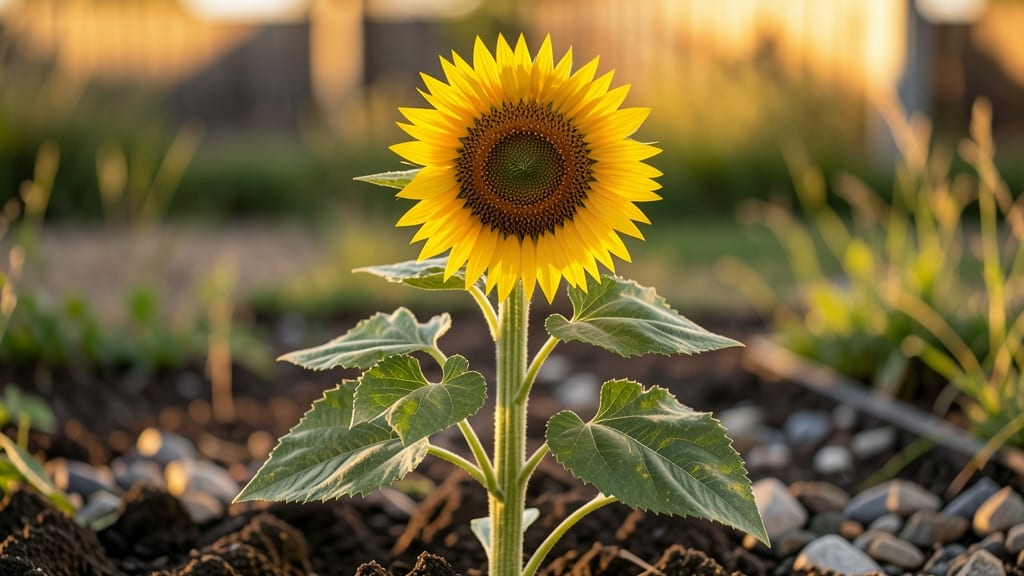
Sunflowers stay in bloom for just 1-2 weeks in their natural cycle, but with the right care, you can stretch that vibrant display into a month-long showstopper 🌻.
Picture this: you’ve spent weeks nurturing your towering sunflowers, only to watch their golden faces droop after a single week. It’s frustrating, but the good news is that this isn’t a lost cause—it’s a fixable pattern.
Most gardeners assume sunflowers bloom once and fade, but the truth is, their lifespan depends on variety, watering habits, and a little strategic pruning. Some types, like the 'Teddy Bear' variety, naturally hold their color longer, while others need a helping hand to stay fresh.
In this guide, I’ll break down the exact steps to extend your sunflowers’ bloom time—without complicated tricks. You’ll learn which varieties last the longest, how to deadhead for continuous flowers, and the one watering mistake that kills blooms early.
Natural sunflower bloom duration: what to expect by variety
Sunflowers are nature's cheerful giants, but their bloom duration can vary wildly depending on the variety you choose. While some sunflowers burst into full bloom for just 5-7 days, others can grace your garden with vibrant yellow petals for 3+ weeks.
The key difference? Genetics, growth habits, and even whether they're annual or perennial types.
Most gardeners grow annual sunflowers, which complete their entire life cycle in one season. These typically bloom for 7-14 days, though some dwarf varieties like 'Teddy Bear' can extend this to 2-3 weeks when cared for properly.
The secret lies in their flowering triggers - once the central disk matures, the petals quickly wilt, even if the plant looks healthy.
Perennial sunflowers (like Helianthus maximiliani) are the exceptions, offering season-long blooms from midsummer to frost. These hardy plants produce multiple flower heads over time, creating a continuous display. However, they require well-draining soil and full sun to perform at their best.
Giant varieties like 'Mammoth' (12-16 feet tall) often have shorter individual bloom times (5-7 days) because their energy goes toward rapid stem growth. In contrast, dwarf varieties like 'Autumn Beauty' (2-3 feet) focus energy on prolonged flowering, giving you 2-3 weeks of color per stem.
| Variety | Type | Height | Bloom Duration | Notes |
|---|---|---|---|---|
| 'Mammoth' | Annual | 12-16 ft | 5-7 days | Single bloom, rapid growth |
| 'Teddy Bear' | Annual | 2-3 ft | 14-21 days | Double blooms, slow to wilt |
| 'Autumn Beauty' | Annual | 3-5 ft | 10-14 days | Multi-colored petals |
| 'Russian Giant' | Annual | 10-14 ft | 7-10 days | Single bloom, late season |
| 'Maximilian Sunflower' | Perennial | 3-6 ft | 30-45 days | Multiple blooms per season |
The 'Autumn Beauty' variety is my personal favorite for extended color because it produces multiple flower heads on each stem. While each individual bloom lasts 10-14 days, the plant continues producing new buds throughout the season.
This creates a rolling bloom effect that keeps your garden vibrant from summer through fall.
For maximum bloom duration, choose varieties with double or semi-double blooms like 'Teddy Bear'. These types have more petal layers, which naturally slow the wilting process.
The trade-off? They often produce fewer seeds, so if you're growing sunflowers for bird feed, single-bloom varieties like 'Mammoth' will be more productive.
Environmental factors also play a role. Sunflowers planted in cooler climates (USDA zones 3-5) often bloom 2-3 weeks longer than those in hot, dry regions. The lower temperatures slow metabolic processes, preserving the petals' moisture longer.
In my Zone 6 garden, I've seen 'Autumn Beauty' blooms last nearly three weeks when given consistent morning watering.
One common misconception is that taller sunflowers always have shorter bloom times. While giants like 'Mammoth' typically bloom for just 5-7 days, their massive size makes them stand out. For prolonged enjoyment,
3 Proven tricks to extend sunflower blooms by 2-3 weeks
Sunflowers are nature's cheerful giants, but their show-stopping blooms often fade faster than expected. The secret to longer-lasting sunflower flowers lies in simple, science-backed techniques that trick your plants into producing more blooms.
With just a few adjustments, you can extend their beauty by 2-3 weeks—or even longer! The key is understanding how plant physiology responds to care techniques.
Most gardeners assume sunflowers bloom once and then fade, but strategic pruning and deadheading can stimulate new flower production. Sunflowers are determinate growers, meaning they produce flowers along a single stem before maturing.
However, with the right approach, you can encourage secondary blooms and keep your garden vibrant well into fall. Let’s explore the three most effective tricks to make your sunflowers last.
Remove spent blooms by snipping stems 1 inch below the faded flower. This redirects energy to side buds, encouraging new blooms. Do this every 2-3 days for best results.
Sunflowers need 1-2 gallons per plant every 3-5 days. Water at the base in mornings to prevent fungal issues. Deep watering strengthens roots, helping plants support more blooms.
Cut back tall, leggy stems to half their height when flowers fade. This stimulates lateral branching and new flower buds. Use clean, sharp shears to avoid damaging the plant.
Let’s start with deadheading, the simplest trick to extend sunflower blooms.
When you remove a faded flower head, you’re essentially sending a signal to the plant: "It’s time to produce another bloom!" Sunflowers store energy in their stems, and by removing spent blooms, you redirect that energy to side buds.
For best results, use clean pruners or scissors and cut just below the flower head. This method works especially well with dwarf varieties like 'Teddy Bear' or 'Moulin Rouge'.
Next, watering habits play a crucial role in bloom longevity. Sunflowers are drought-tolerant once established, but consistent moisture is key during their blooming phase. Water deeply in the early morning to reduce evaporation and fungal risks.
Aim for 1-2 gallons per plant every 3-5 days, adjusting for heat. Proper hydration helps the plant transport nutrients efficiently, keeping blooms vibrant longer. Avoid overhead watering, as wet petals can attract pests like aphids or powdery mildew.
For a dramatic boost in blooms, try strategic pruning. Many gardeners assume pruning sunflowers is unnecessary, but cutting back tall, mature stems can trigger a second wave of flowers. After the first blooms fade, use sterilized shears to trim the stem down to half its height.
This removes the plant’s focus on seed production and encourages it to produce new lateral branches with fresh buds. This trick works best with taller varieties like 'Mammoth' or 'Russian Giant'.
Combining these three tricks can double your sunflower’s blooming season. Start with daily deadheading to keep the plant in bloom mode, then water deeply and consistently to support new growth. Finally, prune strategically to encourage secondary blooms.
With these methods, your sunflowers can stay vibrant and eye-catching for up to 6-8 weeks instead of the usual 1-2 weeks. Your garden will thank you with weeks of golden sunshine! 🌻