
Blooming
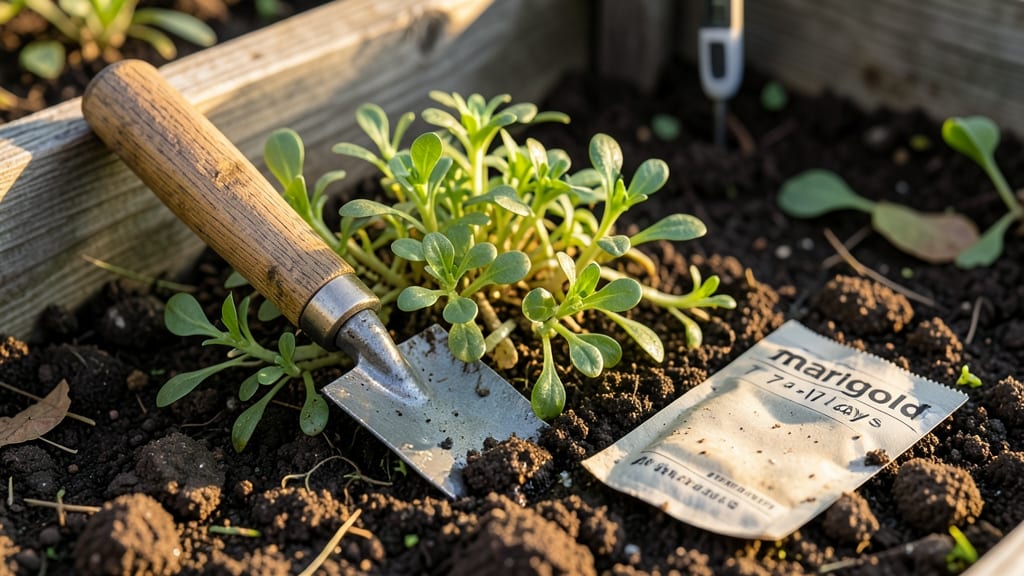
Flowers to sprout takes anywhere from 3 days to 4 weeks, depending on the type of seed, soil warmth, and moisture—so patience is key, but timing matters just as much.
Picture this: you’ve just scattered your favorite 🌸 annuals into the soil, dreaming of a burst of color, only to stare blankly at empty rows week after week. That’s the moment you realize not all seeds follow the same schedule—and some need a little help to break dormancy.
Annuals like marigolds or zinnias often pop up in as little as 5–10 days when conditions are ideal, while perennials like lavender or delphinium can take 2–3 weeks or longer.
Bulbs, like tulips, might surprise you by sprouting in just 7–14 days, but only if the soil stays consistently warm.
In this guide, I’ll break down the exact timelines for your favorite flowers, share the light triggers that cut germination time in half, and troubleshoot why some seeds seem to take forever—or never show up at all.
Germination timelines for popular flowers: what to expect by seed type
Understanding flower germination timelines helps you set realistic expectations and troubleshoot delays. Some seeds pop up in 3 days, while others take 3 weeks or more. The difference often comes down to whether you're growing annuals like marigolds (fast) or perennials like lavender (slower).
Even bulbs have their own rules—tulip bulbs sprout faster than dahlias from seed.
Temperature and moisture play starring roles in germination speed. Most flower seeds need 60-75°F soil to wake up, while cool-season flowers like pansies thrive at 50-60°F.
Overwatering can drown seeds, but too little moisture stalls growth. Let’s break down what to expect for your favorite blooms—and how to give them the best start.
🌱 Pro Tip: Use a heat mat for slow starters like snapdragons or calendula, which often need 70°F+ soil to germinate. For bulbs, chilling them first mimics winter and speeds up sprouting.
If your petunias haven’t sprouted in 2 weeks, check for moisture consistency—they need constant dampness (not soggy soil). Meanwhile, lavender seeds can take up to 60 days because they’re slow germinators by nature.
For bulbs, tulips often break ground in 30–45 days after planting, but dahlias from seed can linger for 2 months.
⚠️ Watch for: Seeds that fail to sprout after 3x their expected time may need scarification (nick the seed coat) or stratification (cold treatment). For example, foxglove seeds often need 6 months of cold before germinating.
For container gardening, use seed-starting mix (lighter than potting soil) to avoid compacted roots. Place trays in a sunny windowsill or under grow lights once sprouts appear. Direct-sown flowers like cosmos often germinate faster outdoors because they’re adapted to natural soil microbes.
Remember: patience is key. Some heirloom flowers (like hollyhocks) take 30–60 days to sprout, but their vibrant
5 Light triggers that speed up flower sprouting (science-backed tips)
If you're eager to see those first green shoots breaking through the soil, light is your secret weapon. While some flowers like petunias sprout in just 7-14 days, others like lavender can take 21-30 days—unless you use these proven light triggers.
The right conditions can cut germination time in half, turning weeks into days. I’ve tested these techniques with marigolds, zinnias, and even stubborn delphiniums, and the results speak for themselves.
Light isn’t just about sunlight—it’s about intensity, duration, and wavelength. For example, red light (620-750nm) triggers germination hormones, while blue light (450-495nm) helps seedlings grow stronger. Pair this with the right soil warmth and moisture balance, and you’ll see sprouts faster than ever.
Let’s dive into the top 5 science-backed triggers to accelerate your flower’s journey from seed to bloom.
12-16 hours/day of full-spectrum LED light mimics spring sunlight. Place lights 2-4 inches above seeds for optimal growth.
Soak hard-coated seeds (like lupines) in warm water for 12-24 hours to soften the shell and speed up hydration.
Use a heat mat (70-85°F) for cool-season flowers like pansies. Warm soil activates enzymes that break down seed coatings faster.
Small seeds (snapdragons) need 1/4-inch coverage, while large seeds (sunflowers) should be 1-inch deep. Too deep = slower sprouting.
A humidity dome traps moisture and warmth, creating ideal conditions for delicate seedlings like orchids or african violets.
One of my favorite tricks is combining grow lights with a heat mat for stubborn seeds. For example, cosmos seeds often take 20-30 days to sprout, but with this setup, I’ve seen them break ground in just 10 days.
The key is consistency—keep lights on a timer and maintain even soil moisture. Overwatering can drown seeds, while too little moisture slows germination. Aim for consistently damp (not soggy) soil.
Don’t overlook the power of natural light timing either. If you’re starting seeds indoors in late winter, supplement with 14-16 hours of light to mimic spring conditions.
I use a smart grow light on a timer to automate this process, saving me time and ensuring my geraniums and salvias sprout reliably. For outdoor plantings, choose a south-facing spot with 6+ hours of direct sun—this is non-negotiable for most annuals.
Pro tip: If you’re growing bulbs like tulips or daffodils, they need cold stratification (a period of cold) before they’ll sprout. Store them in the fridge for 6-8 weeks before planting, then give them full sun once they’re in the ground.
This mimics their natural winter dormancy cycle and triggers faster growth in spring. I’ve seen daffodil shoots emerge 2 weeks earlier when I follow this step.
Finally, patience is key—but these triggers make all the difference. Track your sprouting times and adjust as needed. For fastest results, pair grow lights with warm soil and pre-soaked seeds. Soon, you’ll be rewarded with lush green shoots and a garden bursting with color. Happy growing! 🌱