
How To
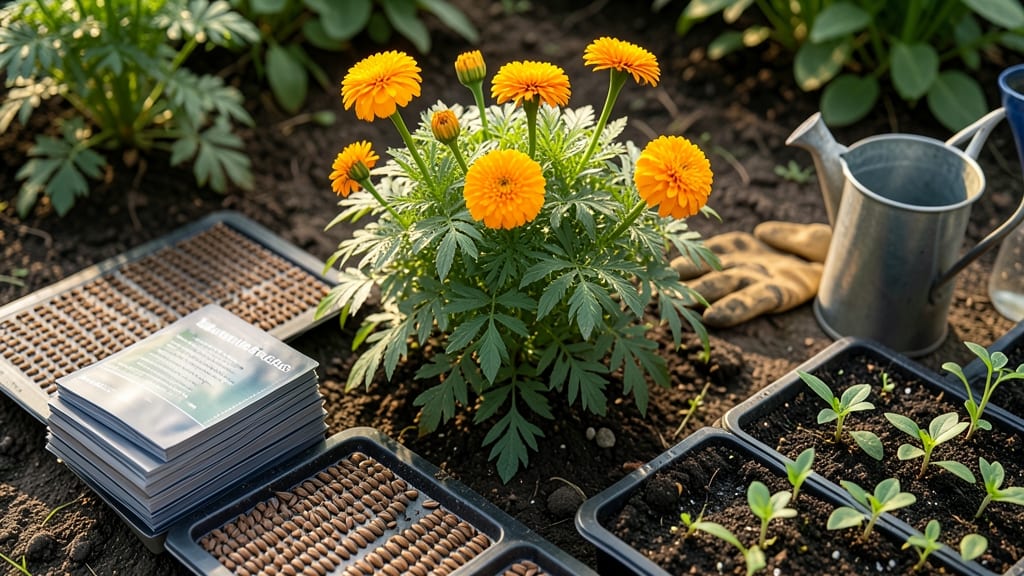
Growing flower seeds from scratch can feel like waiting for a slow-motion race—some pop up in days, while others take weeks, leaving you wondering if they’re ever coming.
That’s because flower seeds take to grow wildly differently: zinnias might sprout in 3-10 days, while peonies can linger for 21-30 days or more, depending on temperature, soil, and even how deep you planted them.
Knowing these timeframes saves you from second-guessing whether your seeds are dead or just taking their time—and helps you plan your garden so you’re not stuck with bare soil when the blooms finally arrive.
Below, I’ll break down the fastest and slowest germinators, how to tell if your seeds are on track, and what to do when they’re playing hide-and-seek in the soil.

Flower seed germination timeframes: fastest to slowest bloomers
If you're eager to see your garden transform, understanding flower seed germination timeframes is key. Some seeds pop up in a week, while others take months to break through the soil.
These differences depend on the seed type, soil temperature, and even moisture levels. Knowing what to expect helps you plan ahead and troubleshoot delays before they become problems.
Fast germinators like marigolds and zinnias can sprout in as little as 3-10 days, making them perfect for impatient gardeners. On the other end, peony and foxglove seeds may take 21-30 days or longer to emerge.
Bulbs like tulips and daffodils often require 4-6 weeks to sprout, depending on when you plant them.
Below is a breakdown of popular flowers, ranked from fastest to slowest germination. Use this as your guide to set realistic expectations and adjust your care routine accordingly.