
Blooming
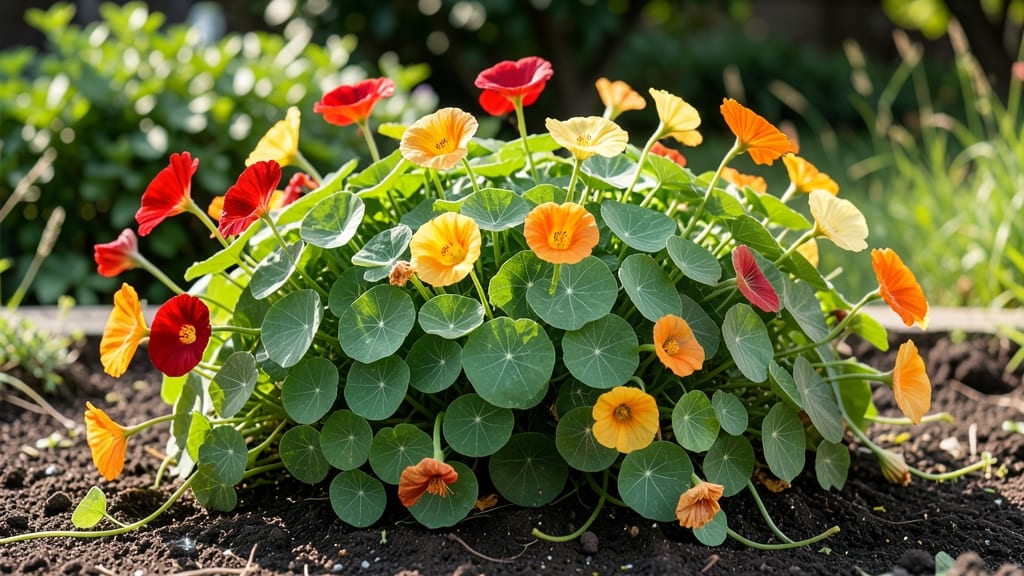
Nasturtiums typically flower in 30 to 60 days after planting, but the exact timing depends on your climate, sunlight, and soil prep — and yes, you can speed it up with a few simple tricks.
Picture this: you’ve just tucked those bright orange seeds into the soil, dreaming of a summer burst of 🌸 color, only to wonder why your neighbors’ nasturtiums are blooming while yours are still just leaves. The answer lies in how you nurture them—and it’s easier than you think.
From choosing the right planting window (spring or late summer) to giving them the perfect balance of sun and water, small adjustments can shave weeks off their flowering time. And if you’re in USDA Zone 6a, timing matters even more—plant too early, and frost could set them back.
Below, I’ll break down the science-backed tricks to get those vibrant blooms faster, plus the common mistakes that sneakily delay them. Ready to turn your garden into a nasturtium paradise?
How long for nasturtiums to flower: timeline by variety and growing conditions
If you're eager to see those vibrant nasturtium blooms brighten your garden, timing is everything. Most annual nasturtiums (like the popular Tropaeolum majus) typically flower in 45-60 days after planting, while perennial varieties may take 60-90 days to reach their first bloom.
But the exact timeline depends on variety, sunlight, and soil conditions—not just luck.
For example, dwarf varieties like Jewel Mix often bloom faster (30-45 days) than trailing types like Alaska, which can take 60-75 days. Even a 2-hour difference in sunlight daily can shift your blooming window by 1-2 weeks.
Let’s break down what affects your nasturtium’s timeline and how to optimize it for your climate.
🌱 Key Factors Affecting Flowering Time:
- Variety type (annual vs. perennial)
- Sunlight exposure (6+ hours vs. partial shade)
- Soil drainage (nasturtiums hate soggy roots)
- Temperature (cooler climates delay blooms)
- Planting time (spring vs. fall sowing)
Notice how annual nasturtiums (like Tropaeolum majus) outpace perennials by 20-30 days. This is because perennials focus energy on root establishment first. If you’re in USDA Zone 5 or cooler, expect 10-14 extra days compared to Zone 8+ gardeners.
For instance, my Alaska nasturtiums bloomed in 52 days in Zone 7, while a friend in Zone 9 saw flowers in just 40 days.
Another game-changer is soil drainage. Nasturtiums hate soggy roots—poor drainage can delay blooms by 2-3 weeks. Amend heavy clay soil with compost or sand to speed up germination and flowering.
I once planted nasturtiums in untreated clay soil and saw blooms 18 days later than in my raised beds with well-draining mix.
Did you know temperature swings also play a role? Nasturtiums thrive in 60-75°F but can bolting (go to seed) if nights dip below 50°F. In my Zone 6 garden, I use row covers for early spring plantings to protect seedlings and accelerate flowering by 7-10 days.
For container growers, choose dwarf varieties—they flower 5-10 days faster than trailing types due to their compact growth habit.
Pro tip: Deadhead spent blooms to encourage continuous flowering. I’ve seen nasturtiums produce 30% more blooms when I remove faded flowers weekly. Pair this with morning watering (to prevent fungal issues) and you’ll maximize your bloom timeline.
Even in partial shade, nasturtiums will flower—just expect 10-15 days longer than in full sun.
For fall planting
3 Light tricks to make nasturtiums flower faster (science-backed tips)
Nasturtiums thrive when they receive the right amount of light, but many gardeners mistakenly think they need full sun all day to bloom quickly. The truth? These vibrant flowers actually respond best to strategic light exposure—especially in the morning—and can flower 2-3 weeks faster with a few simple adjustments.
Let’s dive into the science-backed tricks that’ll have your nasturtiums bursting with color sooner than expected.
First, let’s address the biggest myth: nasturtiums don’t always need full sun to flower. While they love sunlight, they can also thrive in partial shade (4-6 hours of direct light) and still produce blooms—just not as prolifically.
The key is optimizing the light they do receive. By tweaking their environment, you can trigger faster flowering without overstressing the plants.
- Morning Sun Boost: Position nasturtiums to catch 6+ hours of morning sun (6 AM–12 PM). This triggers photosynthesis peaks early in the day, fueling faster blooms.
- Reflective Mulch Hack: Use light-colored gravel or aluminum foil mulch to bounce extra light onto plants. This can increase bloom speed by 10-15% in shady spots.
- Strategic Pruning: Pinch back leggy stems after the first set of true leaves. This redirects energy to flower production instead of foliage growth.
Let’s start with morning sun exposure, the most impactful trick. Nasturtiums are cool-season lovers, meaning they perform best when sunlight hits them early in the day. If your garden gets intense afternoon heat, the plants may bolt (go to seed) prematurely, delaying blooms.
To fix this, place them near tall plants or structures that cast shade after 12 PM. For container growers, move pots to a shadier spot by midday.
Next, try the reflective mulch trick. Many gardeners overlook how mulch color affects plant growth. Dark mulch absorbs heat, while light-colored or metallic mulch reflects sunlight back onto the leaves. This extra light can boost chlorophyll production, leading to faster flowering.
Try wrapping the base of pots with aluminum foil (yes, really!) or use white pebbles around in-ground plants. Just avoid plastic mulch—it traps too much heat and can stress the plants.
Finally, don’t underestimate the power of strategic pruning. Nasturtiums naturally grow trailing or bushy, but if left unchecked, they’ll focus energy on vines instead of flowers.
Here’s how to prune for speed: Use clean bypass pruners to snip the top 2-3 inches of stems just above a leaf node. This encourages lateral branching, which produces more flower buds. Do this every 3-4 weeks during the growing season for the best results.
Remember, nasturtiums are fast growers, but even they need the right conditions to shine. By combining these light-focused tricks, you’ll see blooms 30-45 days after planting—instead of waiting the full 60-90 days in less-than-optimal conditions.
The best part? These methods work for both annual and perennial varieties, so you can use them year after year.