
Blooming
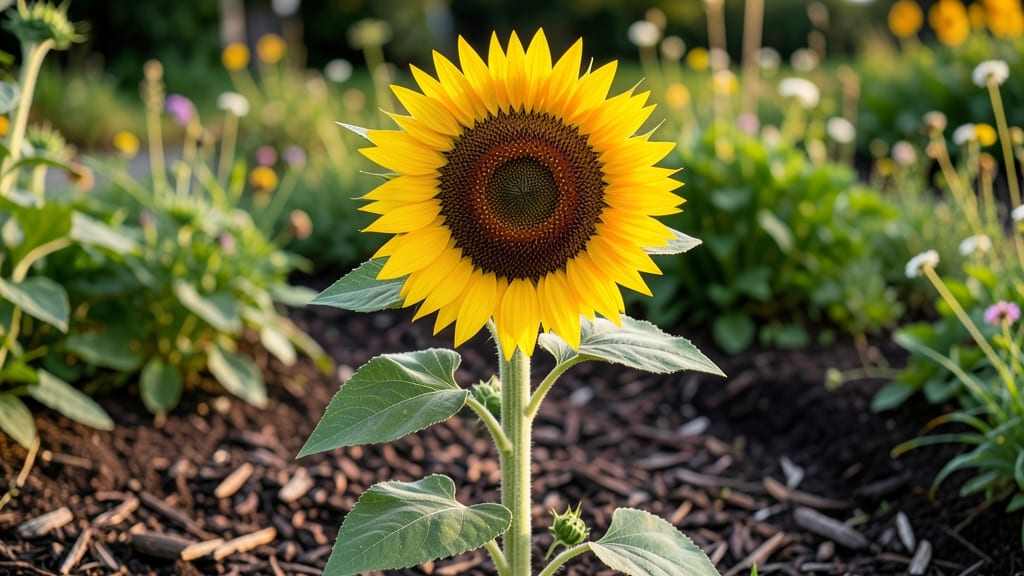
Sunflower blooming seasons vary wildly depending on where you live, but the right timing can mean the difference between a garden full of towering 🌻 faces and a few sad stalks that never open.
Picture this: you’ve waited all spring, and then—just as the first buds form—an unexpected frost rolls in, or the heat arrives early, and your sunflowers never get the chance to shine.
It’s a heartbreaking wait, but with the right knowledge, you can align your planting with the perfect bloom window for your zone.
From the frost-free days of Zone 6a to the long, hot summers of the South, sunflowers thrive when planted at the right time. Whether you’re in a temperate climate or a tropical one, understanding your local sunflower season is the key to maximizing those golden blooms.
Here’s how to time your planting for the best sunflower season in your area, from early spring starts to late-summer varieties, plus tips to push your bloom window even further in challenging climates.

Sunflower blooming season by USDA hardiness zones (full guide)
Sunflowers thrive with 6+ hours of sunlight daily, but their blooming season shifts dramatically across USDA hardiness zones. In Zone 1-2, you’ll need to start seeds indoors early, while Zone 9-12 gardeners enjoy extended summer blooms.
Understanding your zone’s frost-free dates and growing days is key to timing plantings for vibrant summer displays.
Most sunflowers are annuals, meaning they complete their life cycle in one season. However, perennial varieties like Helianthus annuus can return year after year in Zones 4-9. Your local climate dictates not just when to plant, but also which varieties will thrive.
Let’s dive into the specifics for each zone to ensure your sunflowers bloom at their peak.
| USDA Zone | Last Frost Date | Planting Window | Bloom Time | Growing Days | Notes |
|---|---|---|---|---|---|
| 1-2 | Mid-May | Indoors: March Outdoors: June |
Late July - Aug | 70-90 days | Use cold frames; dwarf varieties best |
| 3-4 | Mid-April | Indoors: April Outdoors: May |
Early July - Sept | 80-100 days | Start seeds early; mulch for warmth |
| 5-6 | Early April | Outdoors: April-May | June - Sept | 90-110 days | Ideal for standard varieties; full sun critical |
| 7-8 | Mid-March | Outdoors: March-April | May - Oct | 100-120 days | Extended season; consider succession planting |
| 9-10 | Late Jan | Outdoors: Jan-Feb | March - Nov | 110-130 days | Heat-tolerant varieties; watch for bolting |
| 11-12 | None | Year-round (cool season) | Feb - Dec | 90-100 days | Shade cloth in summer; dwarf types ideal |
In Zones 1-2, where winters are harsh, I recommend starting seeds indoors in March and transplanting after the last frost in June. This short growing season means you’ll need fast-maturing varieties like Autumn Beauty or Teddy Bear to ensure blooms before frost.
Use row covers to extend the season by 2-3 weeks.
Gardeners in Zones 3-4 have a slightly longer window, with planting possible outdoors in April-May. Here, succession planting every 2 weeks ensures continuous blooms from July through September. Choose <
How to extend sunflower season in cold or hot climates
Living in extreme climates—whether you're battling late spring frosts or scorching summer heat—can shrink your sunflower season. But with the right strategies, you can coax those cheerful blooms to appear earlier or last longer. The key lies in understanding your climate's quirks and adapting your gardening approach accordingly.
For gardeners in cold zones, the challenge is often short growing seasons and unpredictable frost dates. Meanwhile, those in hot climates face intense heat stress and rapid drying soil.
Both scenarios demand creative solutions to maximize your sunflower display. Let's explore how to beat these challenges and enjoy sunflowers for longer.
🌱 Extend Your Sunflower Season: Proven Strategies
- 1. Staggered Planting: Sow seeds every 2-3 weeks in spring for continuous blooms. Start with heat-tolerant varieties in early spring and cold-hardy types in late summer.
- 2. Cold Frames: Use mini greenhouses to protect seedlings from late frosts. Place over young plants to create a 5-10°F warmer microclimate.
- 3. Heat-Resistant Varieties: Choose dwarf or semi-dwarf types like 'Teddy Bear' or 'Moulin Rouge' that thrive in high temperatures and dry conditions.
- 4. Mulching: Apply 2-3 inches of mulch around plants to retain soil moisture in heat and insulate roots in cold. Use straw or wood chips.
- 5. Seasonal Care Adjustments: In hot climates, water deeply in the early morning and avoid wetting foliage. In cold zones, use row covers to extend the season.
- 6. Succession Planting: After harvesting early blooms, replant with fast-maturing varieties like 'Autumn Beauty' to keep flowers appearing through fall.
- 7. Container Gardening: Grow sunflowers in large pots to move them to shadier spots during peak heat or warmer microclimates when frost threatens.
In cold climates, timing is everything. I’ve had success with staggered planting—starting seeds indoors 4-6 weeks before the last frost date and then sowing directly outdoors every 2 weeks.
This ensures a steady supply of blooms from early summer through fall. Pair this with row covers or cold frames to shield tender seedlings from unexpected chills.
For hot climates, focus on heat-tolerant varieties and mulching. I’ve noticed that dwarf varieties like 'Moulin Rouge' handle heat better than towering giants. They also bloom faster, giving you a quicker reward.
Pair this with drip irrigation to keep roots consistently moist without wetting the leaves, which can lead to fungal issues.
Don’t forget that seasonal care adjustments make all the difference. In my garden, I adjust watering schedules based on the forecast—deep watering every 2-3 days during heatwaves but reducing frequency in cooler months. This balance helps sunflowers thrive without wasting water or risking root rot.
With these strategies, you can turn your sunflower season from a fleeting highlight into a long-lasting centerpiece. Whether you're battling frost or heat, a little planning goes a long way in keeping those golden faces smiling all season long. 🌻