
How To
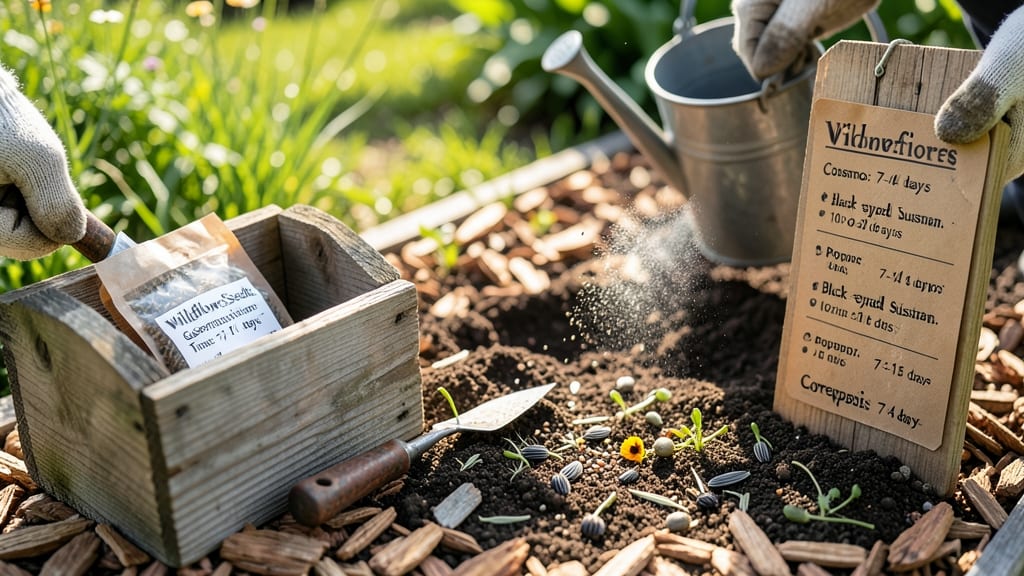
Wildflower seeds take anywhere from 3 days to 6 weeks to germinate, depending on the species and conditions — and that wait can feel like an eternity when you’re dreaming of a blooming meadow.
You’ve scattered them, patted the soil, and crossed your fingers, but nothing happens. Maybe it’s the wrong temperature, too little moisture, or even the seed’s built-in dormancy period. The good news? With the right approach, you can cut that waiting time in half.
Below, I’ll break down the three key factors that control germination speed, from soil warmth to moisture tricks, plus how to tell if your seeds are still alive when the weeks pass.
Ready to turn patience into progress? Let’s get those 🌼 sprouts popping faster than you thought possible.


Wildflower seed germination times by species: fastest to slowest sprouters
Understanding wildflower seed germination times transforms guesswork into garden confidence. Some seeds like cosmos pop up in 7-14 days, while others like lupines may take 30-60 days or longer.
This variation isn't random—it's rooted in each species' evolutionary adaptations. Checking your seed packet for germination timelines helps set realistic expectations and prevents premature worry.
Fast germinators like annuals often thrive in warm conditions, while perennials and native species may require cold stratification or specific moisture triggers. Even within the same family, differences exist: black-eyed Susans typically sprout in 14-21 days, while their coneflower cousins can take 21-30 days.
Knowing these timelines helps you adjust watering, sunlight, and patience levels accordingly.
Here's a quick reference for common wildflowers, ranked from fastest to slowest sprouting:
| Wildflower Species | Germination Time | Ideal Conditions | Notes |
|---|---|---|---|
| Cosmos | 7-14 days | Warm soil (70°F+), light cover | Fastest annual; thrives in poor soil |
| Zinnias | 7-21 days | Direct sun, consistent moisture | Heat-tolerant; great for cut flowers |
| Sunflowers | 10-21 days | Deep planting (1"), warm soil | Large seeds; easy to handle |
| Black-Eyed Susans | 14-21 days | Full sun, average moisture | Perennial; returns yearly |
| Coneflowers | 21-30 days | Well-draining soil, light shade | Drought-resistant; attracts pollinators |
| Lupines | 30-60+ days | Cold stratification (optional), moist soil | Slow but long-lived perennial |
| Milkweed | 21-45 days | Wet soil, full sun | Critical for monarch butterflies |
| Goldenrod | 30-90 days | Disturbed soil, average moisture | Late-season bloomer; often slow |
Notice how native wildflowers like milkweed and goldenrod often have longer germination periods? This reflects their adaptation to natural disturbances and seasonal cycles.
For example, lupines may need cold stratification (a period of cold, moist conditions) to break dormancy, which is why they're slower to sprout when planted in warm soil.
When reading seed packets, look for phrases like "fast germinator" or "may take 30+ days." Some packets even include germination percentages, which tell you how many seeds are expected to sprout. A 90% germination rate
3 Critical factors that speed up (or delay) wildflower seed germination
Wildflower seeds can feel like a gamble—some pop up in days, while others seem to ignore your best efforts. The truth? Germination speed depends on three non-negotiable factors: soil temperature, moisture consistency, and light exposure.
Master these, and you’ll transform your wildflower meadow from a waiting game into a thriving reality. Let’s break down how each factor plays a role in whether your seeds sprout in 7 days or 6 weeks.
First, let’s address the elephant in the garden: soil temperature. Most wildflower seeds need soil between 60°F and 85°F to germinate. Cool-season varieties like lupines and bluebonnets may sprout at 50–60°F, while heat-lovers like black-eyed Susans stall below 65°F.
A simple soil thermometer (just $10) can save weeks of guesswork—plant when conditions align with your seed packet’s recommendations.
- 7–14 days: Fast germinators like cosmos and zinnia thrive with consistent moisture and warm soil (70–85°F). Use a clear plastic dome or mulch to retain heat.
- 14–30 days: Mid-range seeds (sunflowers, coneflowers) need steady moisture and light exposure. Water deeply 2x/week and avoid compacting soil.
- 30–60+ days: Slow starters (lupines, poppies) often require stratification (cold treatment) or scarification (nick the seed coat). Soak seeds overnight before planting.
Moisture consistency is the second game-changer. Wildflower seeds need even hydration—not soggy soil (which causes rot) and not dry cracks (which suffocate sprouts). I’ve learned the hard way: drip irrigation or a soaker hose keeps moisture levels perfect without overwatering.
Aim for 1–2 inches of water per week, but check soil depth—topsoil can dry out while moisture lingers below. A simple finger test (moist but not wet) works wonders.
Light exposure often gets overlooked, but it’s a make-or-break factor. Most wildflower seeds need light to germinate—burying them too deep (more than ¼ inch) blocks sunlight and triggers dormancy. Scatter seeds on bare soil or a thin layer of compost, then press gently.
For shade-loving varieties like foxglove, partial shade is fine, but full sun (6+ hours/day) speeds up germination for sun-worshippers like black-eyed Susans. A sunny windowsill or greenhouse tray can jumpstart indoor sowing.
Finally, don’t underestimate seed viability. Old or stored seeds lose vigor—even "fresh" packets can fail if exposed to heat or humidity.
Before planting, test viability with the paper towel method: fold a damp paper towel, place 10 seeds inside, seal in a bag, and check for sprouts in 7 days. If fewer than 50% sprout, consider sourcing a new batch.
Fresh seeds from reputable suppliers (like American Meadows or Baker Creek) germinate at 90%+ success rates.
Putting it all together: warm soil (60–85°F) + consistent moisture + proper light exposure = faster germination. My cosmos seeds now sprout in 10 days (down from 3 weeks last year) thanks to these tweaks.
Start with fast germinators like zinnia or marigold to build confidence, then tackle the slower species. Patience pays off—literally, in blooms! 🌻