
Flowers
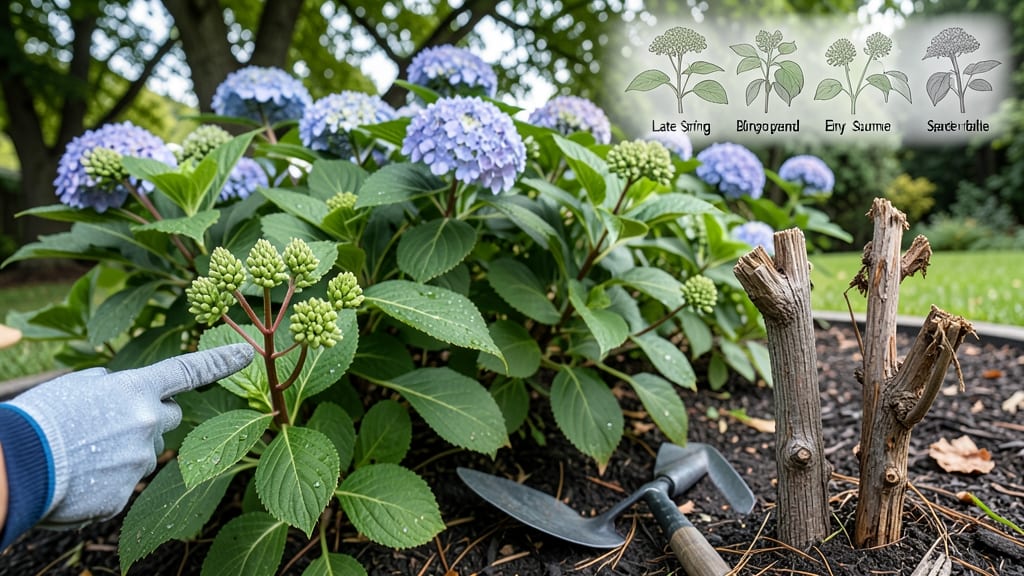
Hydrangeas flower once or multiple times a year, depending on the variety and care you give them 🌸 — and knowing the difference can mean the show you’ve been waiting for.
Picture this: You plant a hydrangea in spring, and by summer, it’s a stunning burst of color. Then—nothing. No blooms until next year. That’s not laziness on your plant’s part; it’s biology. Some types bloom on old wood (last year’s growth), while others thrive on new wood (current season’s shoots).
And if you prune at the wrong time? You might as well have skipped planting.
But here’s the good news: with the right variety and a few smart care tweaks, you can turn a one-time summer show into a longer, more frequent display.
Whether you’re in Zone 6a or a warmer climate, I’ll break down how sunlight, pruning, and even fertilizer play into your hydrangea’s blooming schedule—and how to coax extra flowers without guessing.
Ready to turn your hydrangea from a seasonal highlight into a year-round star? Let’s dive into the science (and secrets) behind their flowering cycles.
Hydrangea flowering frequency by variety: bigleaf vs. panicle vs. oakleaf
Hydrangeas are famous for their stunning blooms, but their flowering frequency varies wildly by type. Some varieties put on one spectacular show in spring, while others reward you with reblooming all summer long. The difference comes down to their natural growth cycles and how they produce flowers.
Let me break down the three main hydrangea types—bigleaf, panicle, and oakleaf—so you know what to expect from yours.
Understanding these patterns helps you plan your garden and manage expectations. For example, if you dream of year-round color, you’ll need to choose the right varieties and care for them properly.
Some hydrangeas flower on old wood (last year’s growth), while others bloom on new wood (current year’s growth). This distinction alone determines whether you’ll get one show or multiple blooms per season.
Here’s the key difference: Bigleaf hydrangeas typically bloom on old wood, meaning they set buds in late summer for a spring display. Panicle and oakleaf hydrangeas, however, often bloom on new wood, allowing them to produce flowers throughout the growing season.
Let’s dive into the details for each type so you can predict—and extend—their blooming seasons.
Bigleaf hydrangeas (like Endless Summer or Nikko Blue) are the classic spring bloomers. They set buds on last year’s growth, so if you prune them at the wrong time, you might sacrifice next year’s flowers. Their blooms last about 4-6 weeks in late spring, but some modern varieties (like Endless Summer) have been bred to rebloom lightly in summer if you deadhead spent flowers.
On the other hand, panicle hydrangeas (such as Limelight or Little Lime) are the superstars of reblooming. They flower on new wood, meaning they can produce multiple flushes of blooms from summer through fall.
Their bloom duration stretches to 6-10 weeks, and they often put on a second show in late summer or early fall. Prune these in late winter or early spring to encourage fresh growth and more flowers.
Oakleaf hydrangeas (like Snow Queen or Amethyst) are a hybrid of sorts—they bloom on both old and new wood. This means they often produce flowers in late spring and may rebloom in fall, especially if you deadhead spent blooms. Their foliage is equally stunning, with leaves that turn vibrant shades of red and orange in autumn, adding seasonal interest even when flowers fade.
If you’re dreaming of year-round color, focus on panicle varieties like Limelight or PeeGee. For a low-maintenance spring show, bigleaf types like Annabelle are hard to beat. And if you love seasonal variety, oakleaf hydrangeas deliver both flowers and foliage interest.
Choose based on your climate, sunlight, and how much time you want to spend pruning and deadheading.
Pro tip: To encourage reblooming in bigleaf hydrangeas, deadhead faded flowers regularly and fertilize lightly in early summer. For panicle types, a late-winter prune removes old wood and stimulates fresh growth for more blooms.
Oakleaf hydrangeas are the most forgiving—they’ll often rebloom without extra effort, but pruning in late winter keeps them tidy and healthy.
How climate zones affect hydrangea blooming frequency
Your hydrangeas’ blooming schedule isn’t just about variety—it’s heavily influenced by your USDA climate zone. In Zone 5, where winters are harsh, most hydrangeas produce a single spectacular bloom in late spring or early summer before entering dormancy.
But in Zone 9, milder winters allow some varieties to rebloom multiple times throughout the season. Temperature swings, frost dates, and even daylight hours play critical roles in triggering—or halting—flowering cycles.
Hydrangeas are temperature-sensitive plants that rely on chilling hours (0°–45°F) to set buds. Cooler zones like Zone 4–6 often see just one bloom cycle because the plants prioritize survival over repeated flowering.
Meanwhile, warmer zones like Zone 7–9 can support reblooming varieties like ‘Endless Summer’ or ‘Limelight,’ which thrive with consistent warmth and moisture. Sunlight exposure also shifts: Southern zones may need afternoon shade to prevent leaf scorch, while Northern zones benefit from full sun to build energy for blooms.
Frost is the biggest blooming disruptor. A late spring frost in Zone 6 can kill emerging buds, while early fall frosts in Zone 8 may stunt second flushes.
In colder zones, hydrangeas often set buds in late summer for next year’s spring bloom, meaning summer pruning can remove next year’s flowers. Warmer zones, however, allow for continuous bud formation if conditions stay ideal—think consistent moisture and balanced fertilizer.
Even in the same zone, microclimates matter: a south-facing wall can create a Zone 8 microclimate in an otherwise Zone 6 yard, extending the blooming window.
Sunlight needs also shift by zone. In Zone 4, hydrangeas may need full sun (6+ hours) to build energy for one bloom cycle, while Zone 9 plants often prefer morning sun + afternoon shade to prevent heat stress.
If you’re in a transition zone (Zone 6–7), aim for 4–6 hours of filtered sunlight and monitor leaf color: yellowing leaves signal too much sun, while leggy growth means they’re stretching for light.
Mulching with 3–4 inches of organic matter helps regulate soil temps, which is especially critical in Zone 5–6 to protect roots from freeze-thaw cycles.
To encourage more blooms in cooler zones, focus on reblooming varieties like ‘Annabelle’ (panicle) or ‘Nikko Blue’ (bigleaf), which tolerate colder temps better than others. In warmer zones, deadhead spent blooms throughout summer to prompt new growth.
But here’s the catch: bigleaf hydrangeas (like ‘Endless Summer’) need winter chilling to rebloom, so don’t move them to a Zone 10 greenhouse year-round—it’ll break their natural cycle. Instead, prune in late winter (just after last frost) to shape the plant and remove old wood that won’t produce new blooms.
Pro tip: Use a frost cloth in Zone 5–6 to protect late-season blooms from unexpected frosts. In Zone 8–9, water deeply every 2–3 days during heatwaves to prevent bud drop.
The key to year-round blooms? Match your variety to your zone, prune strategically, and adjust care as seasons shift. With the right approach, even a Zone 5 garden can coax a second flush of blooms—just be patient and attentive to your plants’ cues.