
Watering
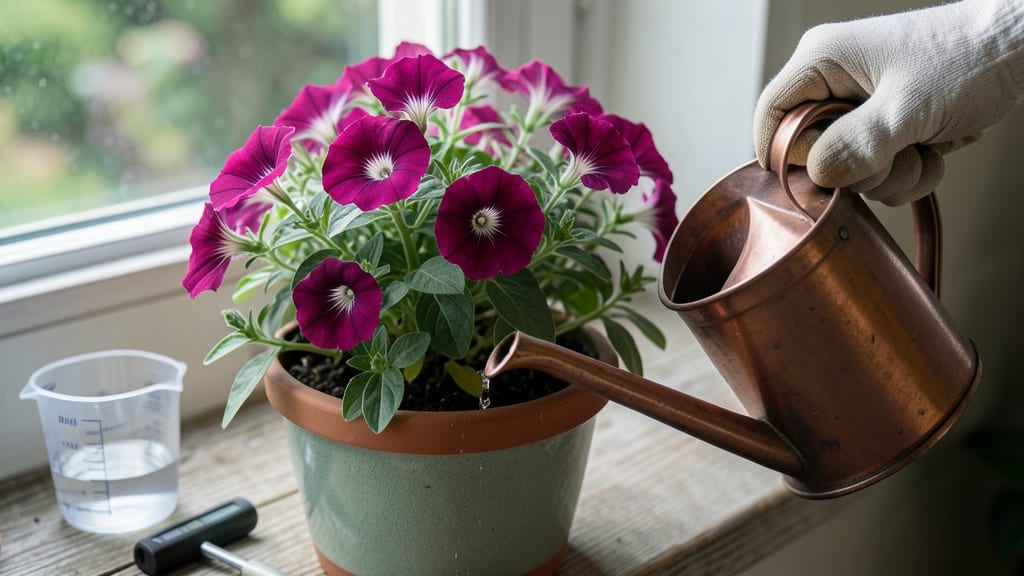
How often to water potted flowers the right way means checking soil moisture—not guessing—because overwatering kills more plants than underwatering, and most of us are doing it wrong.
Overwatering kills more potted flowers than underwatering—but most gardeners guess their watering schedule instead of testing the soil. Discover the exact method to determine when your plants truly need hydration.
Think about it: a dry pot feels light, while a soggy one stays heavy. But how do you know if your 🌸 potted flowers are thirsty or drowning? The answer lies in a simple, science-backed soil test that takes just 30 seconds.
In this guide, you’ll learn how to read your plants’ moisture signals, adjust for pot size and season, and even use a moisture meter for foolproof results. No more dead leaves or wasted water—just perfectly moist soil every time.
The 3-Step soil test method to water potted flowers correctly
Most gardeners water potted flowers on a fixed schedule, but plants don’t follow calendars—they follow soil conditions. The 3-step soil test method replaces guesswork with science, ensuring your petunias, geraniums, or orchids get just the right amount of hydration.
This approach prevents root rot from overwatering while keeping leaves crisp and vibrant.
Why does this method work? Because moisture levels change daily based on temperature, humidity, and pot material. A terracotta pot dries faster than plastic, and summer heat demands more frequent checks than spring showers.
By testing the soil, you adapt to these variables instead of sticking to a rigid routine.
🌱 Step-by-Step Soil Test for Potted Flowers
-
Step 1: Finger-Depth Check
Insert your index finger 1-2 inches into the soil. If it feels dry and crumbly, water immediately. If damp (like a wrung-out sponge), wait 1-2 days. For succulents, go deeper—3 inches—to avoid overhydration. -
Step 2: Weight Test
Lift the pot: a light pot signals dry soil, while a heavy pot means it’s still moist. Clay pots lose weight faster than plastic; adjust your schedule accordingly. Pro tip: Weigh your pot when it’s thoroughly dry to create a baseline. -
Step 3: Visual Cues
Check the soil’s color and texture. Dark, clumpy soil needs water, while light, fluffy soil is dry. For tropical flowers like ferns, also inspect leaves—yellowing or wilting means it’s time to hydrate. In winter, reduce checks to once a week due to lower evaporation.
Let’s break down why each step matters. The finger-depth check mimics how roots absorb water—most potted flowers have roots in the top 2 inches. The weight test accounts for pot material: clay breathes, plastic traps moisture.
And the visual cues catch subtle changes, like grayish soil (overwatered) or white crust (underwatered minerals).
For humid climates, like the Pacific Northwest, reduce checks to every 3-4 days—air moisture slows evaporation. In arid regions, like Arizona, test soil daily in summer and water until it drains from the bottom.
Even self-watering pots need occasional soil checks to prevent algae buildup in the reservoir.
What if your soil feels sticky or smells sour? That’s a red flag for overwatering. Let the soil dry completely for 24 hours, then resume the 3-step test.
For underwatered soil (bone-dry and cracked), soak the pot for 10 minutes to rehydrate roots. Repeat the test after 2 hours to avoid shocking the plant.
Tools like moisture meters ($10-$20) can replace the finger test, but they don’t account for seasonal humidity or pot material. I recommend using them alongside the 3-step method for high-value plants, like orchids or bromeliads, where precision matters most.
Remember: Morning watering is ideal—it gives roots time to absorb moisture before evening heat evaporates it. Avoid watering at night, as damp foliage invites fungal diseases. For terracotta pots, water in the morning; for plastic pots, late morning works too, since they retain moisture longer.
Start today by testing your potted flowers’ soil. If it’s dry, water deeply until it drains from the bottom. Then, mark your calendar for the next check in 3 days (adjust based on your climate). With this method, your potted garden will thrive year-round, no guesswork required.
Watering frequency chart by flower type and pot size
Not all potted flowers drink the same amount of water—succulents need far less than tropical ferns, and a clay pot dries out faster than a plastic container. The key? Matching your watering schedule to your plant’s natural moisture needs and pot material.
Below is my go-to chart for common potted flowers, adjusted for small (6-12"), medium (14-18"), and large (20"+) pots. Pro tip: Always check soil moisture before watering—stick your finger 1-2 inches deep for the most accurate read.
Your pot material changes everything. Terracotta pots breathe, letting moisture evaporate quickly, while plastic pots trap humidity longer. For example, a snake plant in terracotta might need water every 10-14 days, but in plastic, it could stretch to 3 weeks.
Always adjust based on your home’s humidity—dry climates mean more frequent watering, while humid basements slow evaporation.
Here’s my quick-reference watering chart for popular potted flowers, organized by drought-tolerant, moderate, and thirsty categories. Bookmark this for your next grocery run or plant swap!
Seasonal tweaks are a game-changer. In summer, most potted flowers need 20-30% more water—check soil moisture daily for tropicals and annuals. During winter, cut back by 50% and let the top 3 inches of soil dry out completely before watering.
My petunias in summer need watering every 2 days, but in winter, they thrive on weekly deep soaks. Always adjust for your local climate—if you live in Arizona, you’ll water more often than someone in Oregon.
For new gardeners, I recommend starting with self-watering pots or moisture meters to avoid guesswork. These tools take the uncertainty out of watering and help you build confidence. Remember: yellowing leaves often mean overwatering, while crispy edges signal underwatering.
Keep a journal of your watering schedule—you’ll spot patterns in what works best for your home in just a few months! 🌱