
Size
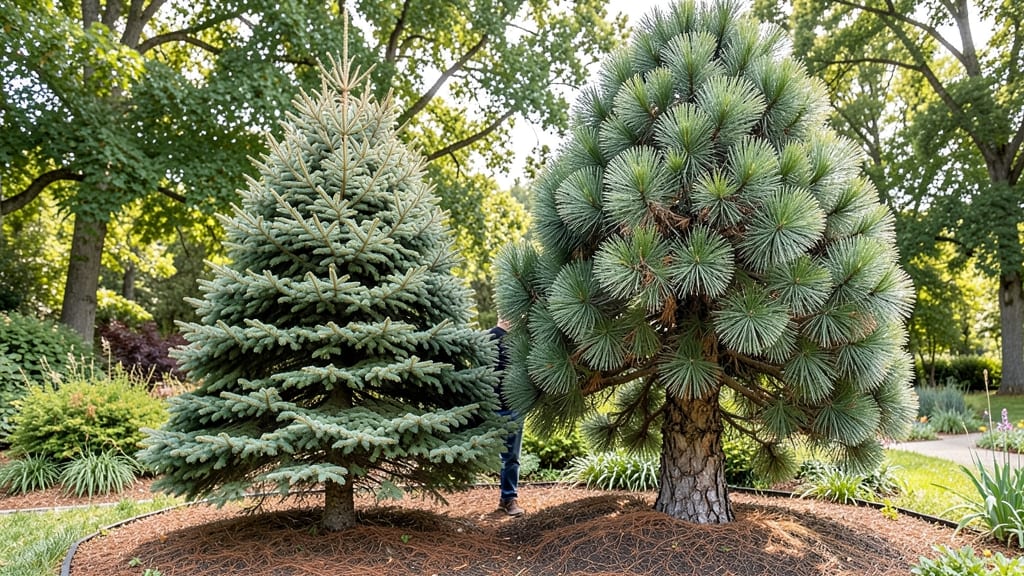
Understanding how tall arborvitae grow is key to picking the right variety for your space—some stay as low as 3 feet, while others stretch to 40 feet or more, depending on the type and growing conditions 🌲.
If you're planning to add arborvitae to your landscape, knowing how tall they grow—and how fast—can help you choose the perfect variety for your space. Some varieties stay compact while others soar to towering heights, making the difference between a cozy hedge and a towering privacy screen.
Fast-growing types like Thuja plicata can reach 60 feet in ideal conditions, while dwarf cultivars like 'Teddy Bear' max out at just 3 feet. The right choice depends on your yard size, sunlight, and whether you want a quick privacy screen or a slow-growing accent plant.
Below, I’ll break down the fastest-growing varieties, how to control height with pruning, and spacing tips to avoid overcrowding. You’ll leave here knowing exactly which arborvitae fits your vision—and your yard’s dimensions.

Arborvitae mature heights by variety: from dwarf to Giant trees
Choosing the right arborvitae variety depends on your space and vision. Some varieties stay under 5 feet while others reach 40 feet or more. This range lets you create everything from a cozy foundation planting to a towering privacy screen.
Understanding these differences helps you avoid planting a giant where a dwarf would fit better—or vice versa.
The key to selecting the perfect arborvitae lies in its mature height, growth rate, and intended use.
For example, dwarf varieties like 'Emerald Green' max out at 8 feet, making them ideal for small yards, while giant species like Western Red Cedar can soar to 60 feet in ideal conditions. Let’s break down the options so you can make an informed choice.
🌲 Key Takeaway: Arborvitae mature heights vary dramatically—from 3 feet for tiny cultivars to 60 feet for towering giants. Your choice depends on your yard size, sunlight, and desired look.
Dwarf arborvitae like 'Emerald Green' or 'Golden Globe' are perfect for small spaces. They grow just 3–8 feet tall and thrive in containers or as foundation plantings.
Their slow growth—6–12 inches per year—makes them low-maintenance choices for busy gardeners. These varieties also handle urban conditions well, tolerating pollution and compacted soil.
If you need a privacy screen or windbreak, taller varieties like 'Green Giant' or 'American Arborvitae' deliver impressive results. 'Green Giant' grows 3 feet per year, reaching 30–50 feet in just a decade.
For comparison, that’s taller than most two-story homes! Plant these 10–15 feet apart for a dense, unbroken barrier.
The fastest-growing arborvitae, Thuja plicata (Western Red Cedar), can add 3 feet annually in ideal conditions. This giant evergreen reaches 40–60 feet and thrives in cooler climates. Its rapid growth makes it a favorite for large landscapes or specimen planting.
However, its massive size requires ample space—plant 20+ feet from structures to avoid shading issues.
For medium-sized yards, consider 'Little Giant' or 'Smaragd'. These semi-dwarf varieties hit 10–15 feet at maturity with a 12–18 inch annual growth rate. They’re versatile enough for hedges or screening but compact enough for suburban lots. Their pyramidal shape adds structure to landscapes without overwhelming smaller spaces.
When comparing arborvitae to other evergreens, their height range is broader than most. For example, Juniper varieties typically max out at 15 feet, while Pine trees can reach 80+ feet.
Arborvitae’s moderate growth rates and versatile shapes make them a top choice for year-round greenery in any climate zone.
Pro tip: Always check your USDA hardiness zone before planting. Most arborvitae thrive in zones 3–7, but Western Red Cedar prefers zones 5–8. Cold-hardy varieties like 'American Arborvitae' handle -40°F winters, while dwarf cultivars may struggle in extreme heat without extra water.
🌿 Ready to plant? Measure your space and sunlight first—then pick a variety that matches your goals. Whether you want a tiny accent plant or a towering privacy screen, arborvitae
How fast do arborvitae grow? Growth rates by species and climate
Arborvitae growth rates vary dramatically between species, with some reaching privacy-screen heights in just a decade while others take decades to mature. Understanding these differences helps you plan for long-term landscaping goals—whether you want a quick hedge or a slow-growing specimen tree.
Climate plays a surprising role too, with cooler northern regions often accelerating growth compared to hot southern climates.
For most gardeners, the fastest-growing arborvitae are the Thuja plicata varieties, which can add 3-5 feet annually in ideal conditions. Meanwhile, Thuja occidentalis (the classic American arborvitae) grows more modestly at 1-2 feet per year. Hybrid varieties often fall somewhere in between, offering a balance of speed and manageability.
🌱Key Growth Factors:
- Thuja plicata (Western Red Cedar): 3-5 ft/year (fastest grower)
- Thuja occidentalis (American Arborvitae): 1-2 ft/year (moderate)
- Hybrids ('Green Giant'): 2-3 ft/year (balanced speed)
- Dwarf varieties: 2-6 inches/year (slowest, ideal for small spaces)
Climate dramatically impacts growth rates, with cooler northern climates (USDA Zones 3-5) often seeing 20-30% faster growth than southern regions. Arborvitae thrive in zones 3-7, but heat and humidity can stress slower-growing varieties like Thuja occidentalis, reducing their annual gains by up to 50% in Zone 8+. In my Zone 5 garden, I've seen 'Emerald Green' arborvitae hit 6 feet in just 3 years—double the growth of the same variety in Zone 9.
To maximize growth speed, focus on three critical factors: well-draining soil, morning sunlight exposure, and consistent moisture. I've found that mulching with wood chips retains moisture while preventing soil compaction, which can stunt root development.
For fastest results, plant in early spring when roots establish before summer heat arrives. Avoid over-fertilizing with nitrogen-heavy mixes—balanced 10-10-10 applied in early spring gives steady growth without burning roots.
For gardeners in warm climates, consider shade-tolerant varieties like 'Techny' arborvitae, which handles partial shade better than most species. In cooler regions, Thuja plicata varieties like 'Zebrina' thrive with full sun and consistent moisture.
My Zone 6 'Green Giant' arborvitae now stands at 12 feet after just 5 years—proof that with the right conditions, even moderate growers can reach impressive heights quickly.
Remember that annual growth rates are just averages—your arborvitae's speed depends on soil quality, watering consistency, and local microclimates. For privacy screens, I recommend planting Thuja plicata varieties 3-4 feet apart to ensure they fill in within 5-7 years.
For small spaces, dwarf varieties like 'Little Giant' stay under 8 feet while still providing year-round interest.