
How To
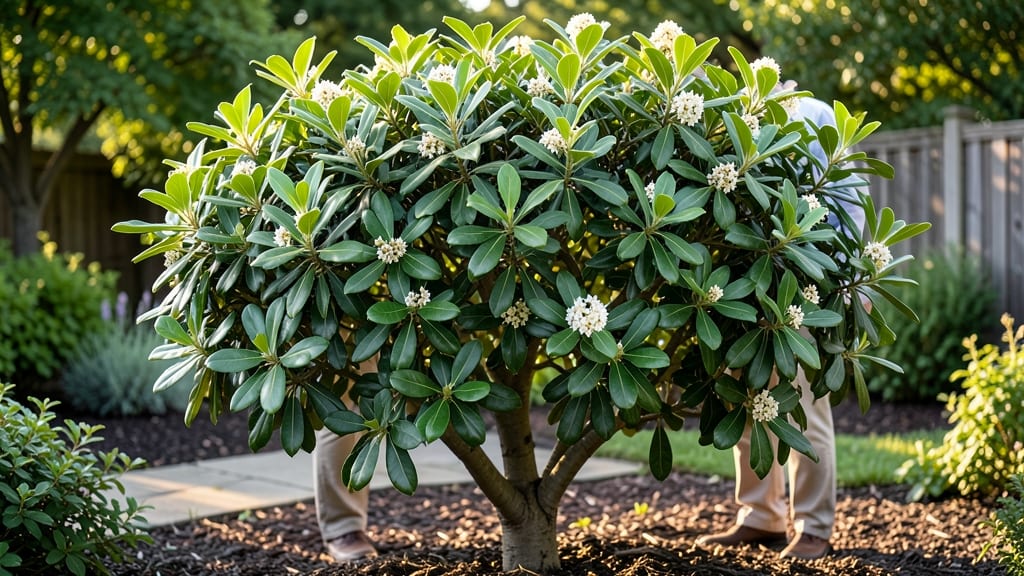
Cherry laurels 🌿 can grow anywhere from 10 to 25 feet tall, depending on the variety and how you manage them—but most gardeners don’t realize how much pruning can shape their final height.
Picture this: You plant a small, compact variety, expecting a tidy hedge, only to watch it stretch toward the sky like a skyrocket. Without the right care, even dwarf types can outgrow their space in just a few years.
In this guide, I’ll break down the height ranges for popular varieties, share the best pruning times to keep them in check, and reveal how sunlight and soil can speed up or slow down their growth.
By the end, you’ll know exactly how to control your cherry laurel’s height—whether you want a neat privacy screen or a towering backyard centerpiece.

Cherry laurel height by variety: from compact to towering
If you're dreaming of a lush, evergreen hedge or privacy screen, cherry laurels (Prunus laurocerasus) are a fantastic choice—but their mature height can vary wildly depending on the variety. Some stay neatly contained at 3-4 feet, while others can soar to 20+ feet if left unchecked.
The key to controlling their growth lies in selecting the right cultivar and understanding their natural growth habits.
Cherry laurels are fast-growing shrubs that thrive in USDA zones 6-9, making them a popular pick for hedges, screens, and even topiary. However, not all varieties play by the same rules. Some are bred to stay compact, while others grow aggressively if not pruned regularly.
Let’s break down the most popular varieties and their expected mature heights so you can plan your garden layout with confidence.
🌿
| Variety | Mature Height (ft) | Growth Rate (in/year) | Best For |
|---|---|---|---|
| Prunus laurocerasus 'Rotundifolia' | 10–15 ft | 12–24 in | Hedges, screens, topiary |
| Prunus laurocerasus 'Zabeliana' | 15–20 ft | 24–36 in | Privacy screens, tall hedges |
| Prunus laurocerasus 'Angustifolia' | 12–18 ft | 18–30 in | Narrow hedges, borders |
| Prunus laurocerasus 'Schipkaensis' | 6–10 ft | 12–18 in | Compact hedges, small gardens |
| Prunus laurocerasus 'Lustrica' | 8–12 ft | 12–20 in | Dwarf hedges, containers |
For gardeners with limited space, varieties like 'Schipkaensis' and 'Lustrica' are ideal—they top out at 6–12 feet, making them perfect for small yards or container gardening. Meanwhile, 'Zabeliana' and standard 'Rotundifolia' can reach 15–20 feet, so they’re better suited for large properties or privacy screens.
One common misconception is that cherry laurels grow at the same rate regardless of variety. In reality, 'Zabeliana' can grow 3 feet per year in ideal conditions, while 'Schipkaensis' grows more slowly at 1–1.5 feet per year.
This difference is crucial when planning your landscape timeline. For example, if you plant a 'Zabeliana' today, it could reach 15 feet in just 5 years!
🌳
If you're aiming for a uniform height, consider spacing your plants based on their mature size. For instance, 'Angustifolia', which grows 12–18 feet tall, should be spaced 4–6 feet apart to allow for airflow and prevent overcrowding.
On the other hand, 'Lustrica', which stays shorter, can be planted 3–4 feet apart for a dense, compact hedge.
Another factor to consider is how pruning affects height. Regular pruning can keep even the tallest varieties in check. For example, if you prune 'Zabeliana' back by one-third annually, you can maintain it at 10–12 feet instead of letting it reach its full 20-foot potential.
I’ve seen many gardeners use this technique to create multi-tiered hedges or even ornamental topiary shapes.
🪴
For those in urban environments or with small backyards, dwarf varieties like 'Schipkaensis' are a game-changer. They’re not only space-efficient but also require less frequent pruning. Plus, their slower growth rate means you won’t need to invest as much time in maintenance.
If you’re unsure which variety to choose, start with a smaller cultivar and experiment with pruning techniques before committing to a larger plant.
Finally, remember that soil quality and sunlight play a role in height. Cherry laurels thrive in well-draining soil with partial shade to full sun. If your plant isn’t growing as expected, check its soil conditions and light exposure.
Amending the soil with compost or relocating the plant to a sunnier spot can sometimes boost growth and help it reach its full potential height.
Pruning secrets to control cherry laurel height naturally
Want to keep your cherry laurel from becoming a backyard giant? Pruning is your secret weapon. This evergreen can grow up to 25 feet tall if left unchecked, but with the right techniques, you can shape it into a neat hedge or compact shrub.
The key is timing, tools, and technique—all while avoiding common mistakes that can harm your plant. Let’s dive into how to manage its height naturally without stressing the plant.
First, understand that cherry laurels respond best to pruning during two key windows: late winter/early spring (just before new growth starts) and late summer (after flowering). Spring pruning encourages robust growth, while late summer pruning helps maintain shape without overstimulating late-season shoots.
Avoid pruning in fall or winter, as this can leave your plant vulnerable to cold damage and pests.
Step-by-Step Pruning Guide for Height Control
One of the biggest mistakes gardeners make is pruning at the wrong time. For example, cutting back in fall or winter can expose your cherry laurel to cold damage and attract pests.
Another common error is over-pruning, which stresses the plant and can lead to stunted growth or even death in severe cases. Always prioritize gradual adjustments to keep your plant healthy and thriving.
For dwarf varieties like 'Rotundifolia', you’ll want to prune lightly to maintain their compact form, typically 2–3 feet tall. For standard varieties, aim to keep them between 6–10 feet if you’re using them as a privacy screen.
Regular pruning not only controls height but also encourages denser foliage and a more attractive shape.
Pro tip: If your cherry laurel starts sending up water sprouts (thin, vertical shoots), remove them immediately. These shoots divert energy from the main structure and can make your plant look unruly.
With consistent care, you’ll have a well-managed cherry laurel that stays exactly where you want it—without sacrificing its health or beauty. ✂️🌿