
Flowers
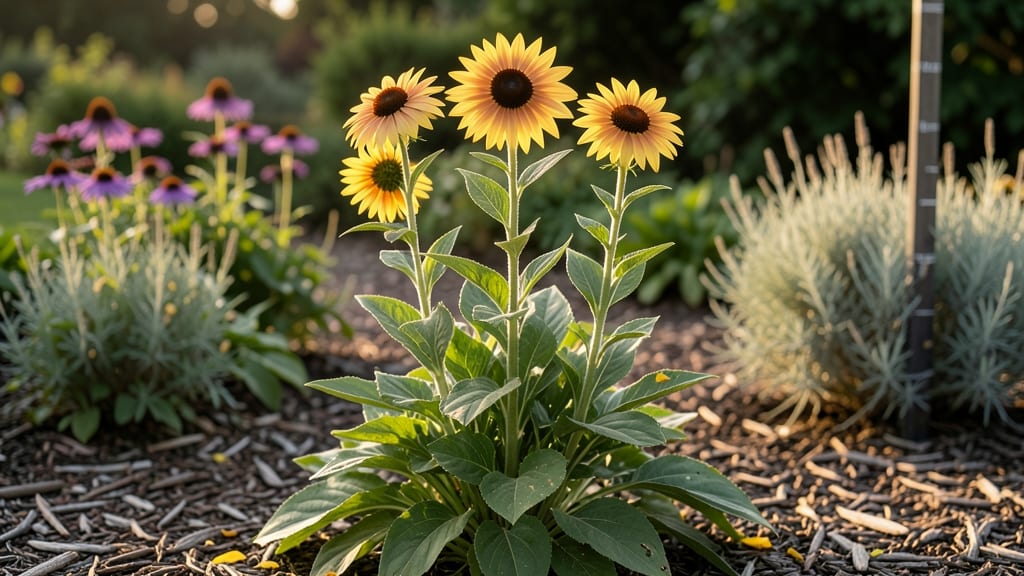
Cone flowers grow anywhere from 1 foot to nearly 5 feet tall, depending on the variety and growing conditions — a range that makes them perfect for borders, pollinator gardens, or even as dramatic cut flowers.
Ever wonder why your 🌼 Echinacea plants seem to stretch like overgrown weeds in one spot but stay compact in another?
The answer lies in sunlight, soil, and even pruning habits — all of which can push a 3-foot variety toward 5 feet or shrink a 5-foot giant down to 2 feet.
In this guide, I’ll break down the height differences between popular varieties like 'Magnus' (towering at 4–5 feet) and 'Green Envy' (a dwarf at 1–2 feet), plus the spacing rules to keep your garden looking intentional, not crowded.
You’ll also learn how to control leggy growth, pair tall and short varieties for visual balance, and avoid the #1 spacing mistake that turns your dream pollinator patch into a jungle.

Cone flower height by variety: a complete growth chart for gardeners
Choosing the right cone flower variety isn’t just about color—it’s about height and how it fits into your garden design. Some varieties stay compact at just 12 inches tall, perfect for borders, while others reach towering 5 feet, ideal for back-of-bed drama.
Knowing these mature heights helps you space plants properly and avoid overcrowding.
Most Echinacea varieties grow upright with sturdy stems, but some develop a more mounding habit. For example, 'Green Envy' stays low and bushy, while 'Magnus' stretches skyward like a pollinator magnet.
Below, I’ve compiled a height comparison of 12 popular varieties to help you plan your garden layout with confidence.
Pro Tip: Always check the mature height on seed packets or plant tags—this is when they’ll need the most space. Young plants may look small, but they grow fast in the right conditions!
| Variety | Mature Height | Growth Habit | Best For |
|---|---|---|---|
| 'Green Envy' | 12–18" | Mounding | Front borders, containers |
| 'White Swan' | 24–30" | Upright | Cut flowers, pollinator gardens |
| 'Magnus' | 48–54" | Tall upright | Back of beds, tall arrangements |
| 'Hot Papaya' | 20–24" | Semi-mounding | Mixed borders, pollinator patches |
| 'Kim’s Knee High' | 18–24" | Compact | Rock gardens, small spaces |
| 'Cheyenne Spirit' | 36–42" | Upright | Wildflower meadows, tall gardens |
| 'Purple Beauty' | 30–36" | Semi-upright | Perennial beds, cottage gardens |
| 'Sombrero Salsa' | 18–24" | Mounding | Containers, window boxes |
| 'Sunrise' | 24–30" | Upright | Pollinator gardens, cut flowers |
| 'White Beauty' | 36–42" | Tall upright | Backdrop plants, tall arrangements |
| 'Green Jewel' | 20–24" | Semi-mounding | Mixed borders, pollinator gardens |
| 'Hot Chocolate' | 30–36" | Upright | Wildflower gardens, tall beds |
If you’re designing a pollinator garden, consider pairing tall varieties like 'Magnus' (4–5 ft) with shorter companions like 'Green Envy' (1–1.5 ft). This creates layers that attract bees and butterflies at all levels.
For container gardening, stick to dwarf varieties like 'Kim’s Knee High' or 'Sombrero Salsa' to avoid spilling over edges.
One common mistake is planting tall varieties too close together. Give them at least 18–24 inches of space to prevent competition for sunlight and nutrients. In full sun (6+ hours daily), cone flowers grow their fastest and tallest—so if your garden gets partial shade, expect slightly shorter stems.
For <
How cone flower height affects garden spacing and companion planting
Understanding cone flower height is key to creating a balanced garden layout. Tall varieties like 'Magnus' (up to 5 feet) need more breathing room, while dwarf types like 'White Swan' (12–18 inches) work perfectly in borders. Proper spacing prevents overcrowding, which can lead to pale blooms or weak stems.
I’ve learned the hard way—planting tall Echinacea too closely creates a jungle effect, blocking sunlight from lower plants. The right spacing ensures every variety thrives while maximizing your garden’s visual appeal and pollinator benefits.
Cone Flower Height Guide: Pros & Cons of Spacing
PROS
- Better airflow reduces fungal risks
- More sunlight for vibrant blooms
- Easier maintenance (less competition)
- Pollinator-friendly visibility
CONS
- Overcrowding weakens stems
- Blocked sunlight for smaller plants
- Harder to reach for pruning
- Less impact in mixed borders
For dwarf cone flowers (12–18 inches), space them 12–18 inches apart in borders or front-of-bed plantings. This creates a lush, continuous display perfect for butterfly gardens or pollinator-friendly meadows. Pair them with salvia or black-eyed Susans for a low-growing, high-impact combo.
Medium-height varieties (24–36 inches) like 'Green Envy' thrive with 24-inch spacing. Place them behind dwarf perennials like coresopsis or shasta daisies to add depth without overshadowing. I’ve found this spacing works beautifully in perennial beds, where they anchor the mid-layer while allowing sunlight to reach ground covers.
Avoid the mistake of planting tall cone flowers (36+ inches) too close to fences or structures—they’ll flop over and create a messy look. Give them 3 feet of clearance and pair them with tall grasses like switchgrass or little bluestem for a natural, textured backdrop.
This combo attracts hummingbirds and adds vertical interest.
Pro tip: Use mounding varieties like 'White Swan' as living mulch around daylilies or hostas. Their 18-inch spread suppresses weeds while adding pink or white blooms from midsummer to fall. This low-maintenance duo saves time and boosts curb appeal.