
Size
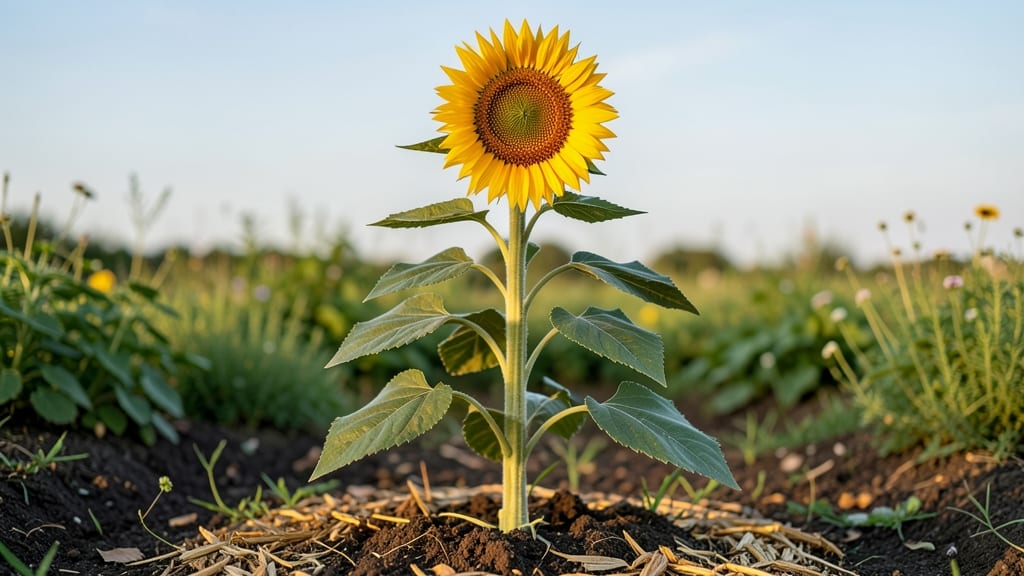
How tall do sunflower plants get? They can grow anywhere from 1 foot to towering 16 feet tall, depending on the variety you choose 🌻—and knowing the right height for your space makes all the difference.
Picture this: a 3-foot "Teddy Bear" sunflower adds whimsy to a patio, while a 14-foot "Russian Giant" becomes a living windbreak or privacy screen. But without the right spacing or support, even the shortest varieties can flop over under their own weight.
In this guide, I’ll break down the height ranges of popular sunflower types, from dwarf varieties perfect for containers to giants that need 10+ feet of clearance. You’ll also learn how sunlight, soil, and even pruning can tweak their growth—so you can plan your garden layout with confidence.
Whether you’re growing sunflowers for cut flowers, birdseed, or just summer joy, these height insights will help you pick the perfect variety for your space—and avoid the "too-tall-for-the-yard" mistake.

Sunflower height ranges by variety: from dwarf to giant species
Sunflowers come in an astonishing range of heights, from compact dwarf varieties perfect for containers to towering giants that can reach taller than most people. The Helianthus annuus species alone offers over 100 varieties, each with distinct mature heights that directly impact your garden layout.
Understanding these ranges helps you choose sunflowers that fit your space while maximizing their dramatic impact.
For example, a 2-foot 'Teddy Bear' sunflower creates whimsical borders, while a 14-foot 'Russian Giant' can serve as a natural privacy screen. Even the growth rate varies—some varieties shoot up 3-4 inches per day during peak season! Let’s break down the height spectrum so you can plan with confidence.
| Variety | Mature Height | Growth Rate | Ideal Spacing | Best For |
|---|---|---|---|---|
| Teddy Bear | 2–3 ft | 1–2 in/week | 12–18 in apart | Containers, borders |
| Moulin Rouge | 5–6 ft | 2–3 in/week | 2 ft apart | Cut flowers, pollinators |
| Autumn Beauty | 3–5 ft | 1.5–2.5 in/week | 18 in apart | Cutting gardens |
| Russian Giant | 10–14 ft | 3–4 in/day (peak) | 3–4 ft apart | Privacy screens |
| Mammoth | 12–16 ft | 3–4 in/day (peak) | 4–5 ft apart | Windbreaks, focal points |
Dwarf sunflowers like 'Teddy Bear' (2–3 ft) are ideal for small gardens or containers, while medium-height varieties such as 'Autumn Beauty' (3–5 ft) thrive in flower borders or cutting gardens.
These varieties mature quickly—often within 8–10 weeks—making them perfect for seasonal color. Their compact size also means they require less staking support.
Tall varieties like 'Moulin Rouge' (5–6 ft) strike a balance between height and manageability. They’re popular for cut flowers and attract pollinators like bees. Plant them 2 feet apart to allow airflow and prevent fungal diseases. Their bold, dark petals create striking visual contrast in mixed beds.
For those dreaming of giant sunflowers, 'Russian Giant' and 'Mammoth' varieties can reach 10–16 feet tall, rivaling small trees. These sunflowers grow 3–4 inches per day during peak season, so they need deep, fertile soil and sturdy support.
Space them 3–5 feet apart to prevent overcrowding and ensure each plant has room to develop its massive taproot system.
If you’re growing giant sunflowers, consider trellising or staking early to prevent toppling in windy conditions. Their heavy flower heads can weigh 10+ pounds, so additional support is key. For smaller varieties, container gardening works beautifully—just ensure pots are at least 12 inches deep and have drainage holes.
Pro tip: Soil nutrients play a huge role in height. Amend your soil with compost or a balanced fertilizer
Factors that influence sunflower height beyond variety
While sunflower variety sets the baseline for height, your growing conditions can push those numbers up—or down. Even the tallest Russian Giant won’t reach its full 14-foot potential if you neglect these key factors. Let’s explore how to maximize your sunflowers’ height by controlling what you can.
Sunflowers are sun-hungry plants, and insufficient light is the #1 reason they stay stunted. If your garden gets less than 6-8 hours of direct sunlight, your plants will grow leggy and weak.
I’ve seen Mammoth varieties reach only half their expected height when planted in partial shade—so choose your location carefully.
Another often-overlooked factor is temperature extremes. Sunflowers planted too early in cool soil (below 50°F) germinate slowly and develop weak stems. I always wait until the soil is at least 60°F—this ensures strong, rapid growth from the start.
Even with perfect conditions, some sunflowers will naturally top out shorter due to genetics. If your Russian Giant only reaches 8 feet, it might be a shorter-growing strain. To confirm, compare it to neighbors—consistent underperformance suggests variety limitations rather than care issues.
For maximum height, combine these factors: full sun exposure, rich soil, consistent watering, and proper spacing. I’ve grown 14-foot sunflowers using these methods—now it’s your turn to watch them reach for the sky! 🌻