
Plants
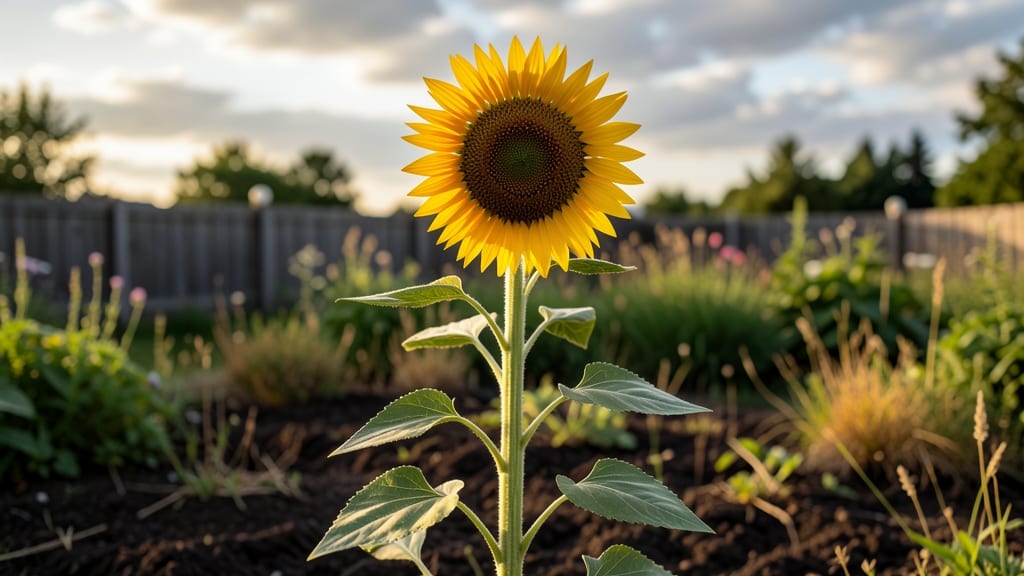
Sunflower plants grow anywhere from 1 foot to towering 15 feet tall, depending on the variety you choose—making them the garden’s ultimate height showstoppers.
Imagine a 10-foot giant swaying in your backyard, its seeds feeding birds while its petals soak up the sun 🌻. But before you let one take over your space, knowing the exact height range of your chosen variety is the difference between a stunning focal point and a space-crushing mess.
Dwarf sunflowers stay compact at 2-3 feet, perfect for containers or small gardens, while standard varieties reach 6-12 feet—ideal for cut flowers or bird feeders. Then there are the giants, like 'Mammoth' or 'Russian Giant,' which can stretch toward the sky like a two-story skyscraper.
Below, I break down height charts by variety, the factors that influence growth, and how to manage their size so you get the perfect sunflower for your space—without sacrificing beauty or function.

Sunflower height chart by variety: from dwarf to giant species
If you're planning your garden layout, one of the first questions I ask myself is: how tall do sunflower plants grow? The answer varies dramatically—from compact dwarf varieties perfect for containers to giant sunflowers that can reach the height of a two-story building.
Knowing these differences helps me choose the right varieties for my space and purpose, whether it's a pollinator-friendly border or a dramatic focal point.
Sunflower height isn't just about aesthetics—it directly impacts planting distances, support needs, and even wind resistance. For example, a 12-foot giant needs plenty of space to avoid shading smaller plants, while a 2-foot dwarf can thrive in tight spots.
Let's break down the height ranges so you can make the best choice for your garden.
📊 Quick Reference: Most sunflowers reach their mature height in 8-12 weeks, with growth rates of 1-3 inches per day under ideal conditions. The chart below categorizes varieties by height and includes their ideal spacing and growth rates for easy planning.
| Variety Type | Height Range | Mature Height (ft) | Growth Rate | Ideal Spacing (in) | Best For |
|---|---|---|---|---|---|
| Dwarf | 1-3 ft | 1-3 | 1-2 in/day | 12-18 | Containers, borders |
| Semi-Dwarf | 3-6 ft | 3-6 | 2-3 in/day | 18-24 | Cut flowers, pollinators |
| Standard | 6-10 ft | 6-10 | 3 in/day | 24-36 | Backyard focal points |
| Giant | 10-15 ft | 10-15 | 3-4 in/day | 36-48 | Large landscapes, events |
For example, 'Teddy Bear' is a popular dwarf variety that tops out at just 2-3 feet, making it perfect for container gardening or window boxes.
These compact varieties grow at a slower rate (1-2 inches per day) but still produce bright, cheerful blooms that attract bees and butterflies. I love planting them near my patio where I can enjoy their golden faces up close.
On the other end of the spectrum, 'Mammoth' and 'Russian Giant' sunflowers can reach 12-15 feet tall, growing up to 4 inches per day in ideal conditions.
These giant sunflowers need ample space—at least 36 inches between plants—and often require staking or cages to support their heavy seed heads. If you're aiming for a dramatic garden statement, these varieties will wow visitors and provide abundant seeds for birds.
Medium-height varieties like 'Autumn Beauty' or 'ProCut' strike a balance, typically reaching 6-10 feet. These are my go-to choices for cut flower arrangements because they're tall enough to create height in bouquets but not so massive they overwhelm small gardens.
Their growth rate of 2-3 inches per day means they'll reach maturity quickly, giving you long stems for cutting in just 8-10 weeks.
Pro tip: If you're growing tall varieties in windy areas, consider planting them near a windbreak or fence. I once watched a 12-foot sunflower snap in half during a storm—something I could have prevented with proper support!
For giant varieties, I recommend using bamboo stakes or tomato cages inserted at planting time to give the stems structure as they grow.
Remember that soil quality and sunlight can also influence final height. Sunflow
How to choose sunflower varieties based on garden space and purpose
Sunflowers offer endless possibilities, from compact container varieties to towering giants that reach for the sky. The right choice depends on your garden space and intended use—whether you want cut flowers, pollinator magnets, or dramatic focal points.
Let’s explore how to match sunflower varieties to your needs while avoiding common spacing mistakes.
For small gardens or patios, dwarf varieties like 'Teddy Bear' (1-3 feet) or 'Moulin Rouge' (3-4 feet) thrive in containers or tight beds. These are perfect for urban gardeners or balconies, offering vibrant blooms without overwhelming your space.
Medium-height varieties (4-6 feet) like 'Autumn Beauty' strike a balance, working well in mixed borders or pollinator gardens.
Dwarf Varieties (1-3 ft)
- ✅ Ideal for containers or small spaces
- ✅ Early bloomers (60-70 days)
- ✅ Low-maintenance, minimal staking
Giant Varieties (10-15 ft)
- ✅ Stunning focal points in large gardens
- ✅ Long-lasting cut flowers (up to 120 days)
- ✅ Requires staking and spacious planting
Cons of Dwarf Varieties
- ❌ Shorter vase life for cut flowers
- ❌ Less dramatic visual impact
Cons of Giant Varieties
- ❌ Needs 2-3 feet of space per plant
- ❌ Heavy stems may flop without support
If you’re growing sunflowers for cut flowers, prioritize varieties like 'Russian Giant' (12-15 feet) or 'ProCut' (5-6 feet), which produce long-lasting stems and large blooms. These varieties are bred for durability, making them ideal for flower arrangements or selling at farmers' markets.
For pollinator gardens, choose 'Autumn Beauty' or 'Lemon Queen', which attract bees and butterflies while adding height diversity to your landscape.
For large landscapes or rural gardens, giant varieties like 'Mammoth' (10-14 feet) or 'American Giant' (12-15 feet) create dramatic backdrops or screen unsightly views. Plant these 18-24 inches apart in rows to maximize their structural impact.
Pair them with companion plants like basil or marigolds to deter pests and improve soil health.
When planning your sunflower layout, consider wind exposure—taller varieties may need staking or trellises in windy areas. For small spaces, interplant dwarf varieties with low-growing annuals like pansies or violas to create layered interest.
Always leave at least 12 inches of space between medium-height varieties to prevent competition for nutrients and reduce disease risk.
Remember, sunflowers are annuals, so their height is a one-season investment. Use their structural beauty to frame pathways, highlight garden features, or create seasonal privacy screens. With the right variety and spacing, you’ll turn your garden into a sunflower sanctuary that delights both you and wildlife. 🌻