
Flowers
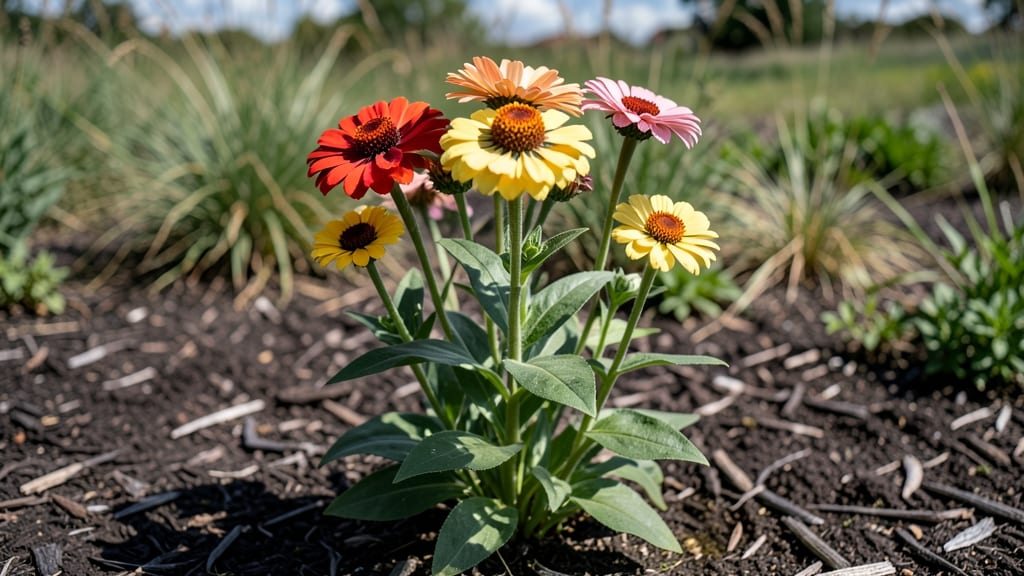
Zinnia flowers grow anywhere from 6 inches to 4 feet tall, depending on the variety you choose—so picking the right height for your garden layout makes all the difference.
If you’re planning your garden layout and wondering whether zinnia flowers will tower over your other plants or stay compact, knowing their mature height is key to perfect spacing and visual balance.
A 4-foot giant like 'Benary’s Giant' can steal the show in the back row, while a 6-inch dwarf like 'Thumbelina' fits neatly in containers or borders.
The right height isn’t just about aesthetics—it also affects how much sunlight your zinnias get, how you support them, and even which companion plants thrive nearby. Too much shade or wind can stunt growth, while proper spacing ensures airflow and fewer pests.
In this guide, I’ll break down the height ranges by variety, share spacing tips to avoid overcrowding, and show you how to control growth with pruning or staking for a polished look all season.

Zinnia flower height by variety: from dwarf to giant
Zinnias are one of the most versatile annual flowers, offering a stunning range of heights that can transform your garden from a compact border to a dramatic backdrop.
Whether you're designing a front-row container or a backyard focal point, choosing the right height variety ensures your zinnias complement—not compete with—your other plants.
The mature height of zinnias typically ranges from 6 inches to 4 feet, depending on the variety, with growth habits that can be bushy, upright, or trailing.
Understanding these height differences is crucial for proper garden spacing, pollinator attraction, and even wind resistance. Tall zinnias, for example, make excellent cut flowers and backdrop plants, while dwarf varieties thrive in hanging baskets or window boxes.
Let’s explore the key zinnia height categories and how to use them in your garden layout.
Dwarf zinnias, like the popular 'Thumbelina' series, are perfect for small-space gardens or container gardening. Their 6–12 inch height makes them ideal for edging pathways or adding color to patio planters. These varieties often have multiple blooms per stem, ensuring a long-lasting display with minimal space.
For example, 'Thumbelina Mix' produces 1-inch flowers in vibrant hues, perfect for creating a dense, colorful carpet in garden beds.
Semi-dwarf zinnias, such as 'Benary’s Giant' or 'Crystal' series, strike a balance with their 1–2 foot height. These varieties are excellent for mixed borders or pollinator-friendly gardens, as their height attracts bees and butterflies without overwhelming smaller plants.
When spacing semi-dwarf zinnias, aim for 12–18 inches apart to allow airflow and prevent powdery mildew, a common issue in crowded beds.
Standard zinnias, including the classic 'Profusion' and 'State Fair' varieties, reach 2–3 feet tall, making them ideal for backdrop planting or cut flower arrangements. Their taller stature provides a vertical element to your garden, drawing the eye upward and adding depth.
For optimal growth, plant these varieties 18–24 inches apart and pair them with supportive companions like sunflowers or tall grasses to create a natural windbreak.
If you're aiming for a dramatic focal point, giant zinnias like 'State Fair Giant' or 'Persian Carpet' can reach 3–4 feet tall. These varieties require extra spacing (24–36 inches apart) and may need staking or cages to prevent flopping, especially in windy conditions.
Their large, 4–5 inch blooms make them a showstopper in cut flower bouquets or as a centerpiece in garden beds.
When planning your garden layout, consider the mature height of zinnias alongside their spread and growth habit. For instance, pairing tall zinnias with low-growing annuals like marigolds or snapdragons creates a stunning height contrast.
Meanwhile, dwarf zinnias can spill beautifully over container edges or hanging baskets, adding texture and color to vertical spaces.
Another factor to consider is sunlight exposure. All zinnias thrive in full sun (6–8+ hours daily), but taller varieties may require additional support if planted in exposed or windy areas.
To maximize height and bloom production, ensure your zinnias receive well-draining soil and regular watering, especially during hot summer months. A balanced fertilizer applied every 4–6 weeks will also encourage strong stems and prolonged flowering.
For gardeners with limited space
How zinnia height affects garden spacing and companion plants
Zinnia height varies dramatically between varieties, and choosing the right type for your garden layout prevents overcrowding or awkward gaps. Tall zinnias (2-4 feet) need more space for airflow and support, while dwarf varieties (6-12 inches) thrive in tight borders.
Understanding these differences ensures your garden stays balanced and visually appealing.
Proper garden spacing isn’t just about aesthetics—it also impacts plant health. Overcrowded zinnias compete for nutrients and sunlight, leading to leggy stems and fewer blooms. Meanwhile, companion plants can enhance growth by repelling pests or improving soil quality.
Let’s explore how height influences both spacing and pairings for a thriving garden.
Zinnia Height & Spacing Guide
- Dwarf zinnias (6-12 in): Space 6-8 inches apart in borders or containers. Ideal for edging paths or pairing with low-growing herbs like thyme or oregano.
- Medium zinnias (1-2 ft): Allow 12-18 inches between plants. Perfect for mixed flower beds with cosmos or marigolds to attract pollinators.
- Tall zinnias (2-4 ft): Plant 18-24 inches apart and stake for support. Use as backdrop plants behind shorter flowers like snapdragons or salvia.
For tall zinnias, pair them with wind-resistant companions like Russian sage or lavender to prevent flopping. These plants also deter pests like aphids, which love tender zinnia foliage. In contrast, dwarf zinnias pair beautifully with bulbs like tulips or ground covers such as ajuga to fill gaps.
Another key factor is sunlight exposure. Tall zinnias cast shadows, so avoid planting shade-sensitive companions like impatiens directly beneath them. Instead, opt for partial-shade lovers like coleus or fuchsia on the north side of taller varieties. This ensures all plants receive adequate light while maintaining a cohesive design.
When designing your garden, group zinnias by height to create visual layers. Start with tall zinnias at the back, medium varieties in the middle, and dwarf zinnias at the front.
This technique adds depth and draws the eye through your garden. Don’t forget to leave walkway clearance—aim for at least 2 feet of open space between rows for easy maintenance.
Finally, consider seasonal changes. Zinnias grow taller as they mature, so account for their full height when planning. If space is limited, opt for pinching back early blooms to encourage bushier growth.
This keeps your garden compact while still maximizing bloom time. With the right spacing and companions, your zinnias will thrive and create a stunning, pollinator-friendly display.