
How To
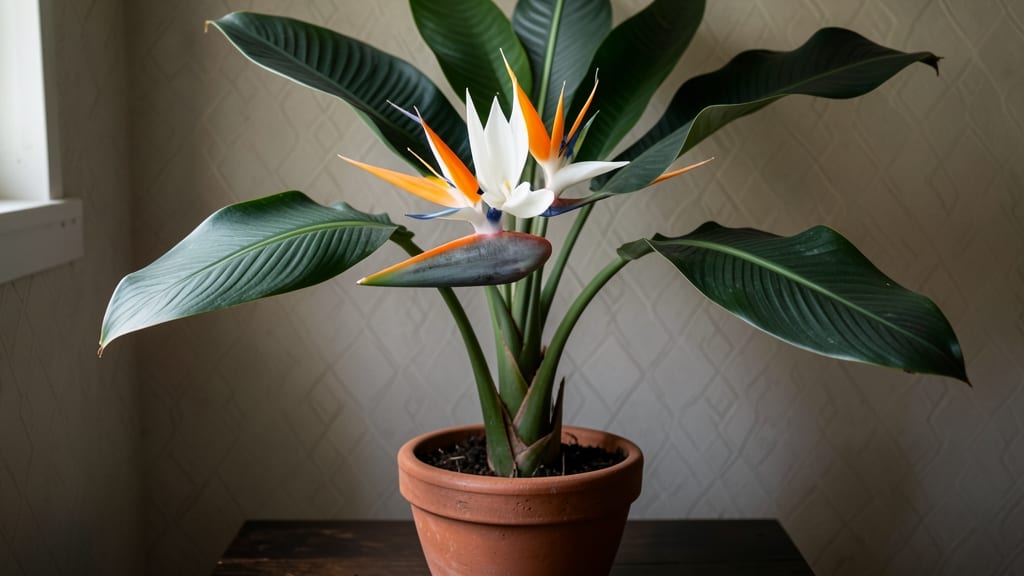
The white bird of paradise grows to a striking 8–12 feet tall in ideal conditions, making it a bold statement plant for any garden.
If you're dreaming of a tropical paradise in your garden, the white bird of paradise (Strelitzia nicolai) is a stunning choice—but first, you need to know how tall it can grow to plan your space wisely.
This majestic plant can become a focal point or an overwhelming giant if left unchecked.
Most gardeners underestimate how quickly it reaches maturity, with 6–8 feet in just three years under full sun. In cooler zones like 6a, growth slows slightly, but it still towers over most shrubs.
Here’s what you’ll learn: how sunlight, pruning, and soil type affect its height, plus 3 simple tricks to keep it manageable without sacrificing its dramatic beauty.

White bird of paradise height by variety: how big can it really get?
The white bird of paradise (Strelitzia nicolai) is a showstopper in any garden, but its mature height can vary dramatically depending on variety, growing conditions, and care.
Unlike its orange cousin (Strelitzia reginae), the white variety grows taller and broader, reaching heights that can dominate your landscape if unmanaged. Understanding these differences helps you choose the right spot and prepare for its growth trajectory.
Most white bird of paradise plants mature between 8 to 12 feet tall, with some exceptional specimens exceeding 15 feet in ideal conditions. This makes them perfect for backyard focal points or large containers near patios.
However, their spread can be just as impressive, with fronds reaching 6 to 10 feet wide, creating a lush, tropical canopy. Knowing these dimensions ensures you allocate enough space for their full potential.
| Variety | Mature Height (ft) | Mature Spread (ft) | Growth Rate (in/year) | Best For |
|---|---|---|---|---|
| Standard Strelitzia nicolai | 8–12 ft | 6–10 ft | 12–24 in | Large gardens, focal points |
| Dwarf varieties (e.g., 'Gravetye Giant') | 6–8 ft | 4–6 ft | 6–12 in | Patios, containers, small spaces |
| Strelitzia reginae (Orange) | 4–6 ft | 3–5 ft | 8–16 in | Border plants, smaller gardens |
| Indoor Strelitzia nicolai | 3–6 ft (potted) | 2–4 ft | 4–8 in | Large indoor spaces, conservatories |
The growth rate of your white bird of paradise depends heavily on sunlight exposure. In full sun (6+ hours daily), these plants can grow 12–24 inches per year, while partial shade slows growth to 6–12 inches annually.
If you're growing yours in a container, expect slightly slower growth due to root restriction, but they can still reach 6–8 feet tall with proper care. Always choose a container at least 2 feet wide to accommodate their root system.
Sunlight isn’t just about height—it also affects frond size and bloom frequency. Plants in direct sunlight produce larger, more vibrant blooms and grow taller, while those in shade may become leggy and sparse. If your garden has limited sun, consider placing your white bird of paradise near a south-facing wall or in a bright indoor space with supplemental grow lights during winter months.
For indoor growing, the dwarf varieties are your best bet. These smaller plants thrive in large pots (18+ inches wide) and can handle indoor conditions if given bright, indirect light and consistent humidity.
Without proper light, indoor specimens may grow slowly or develop weak stems, making them prone to flopping over. If you notice yellowing leaves, it’s often a sign of low light or overwatering—adjust your care routine immediately.
Pruning plays a crucial role in managing height and encouraging bushier growth. You can trim back overgrown fronds to control size, but avoid cutting more than one-third of the plant at once. The best time to prune is early spring, just as new growth begins. This not only controls height but also stimulates new shoots at the base, creating a fuller, more compact plant. Always use sterilized pruners to prevent disease spread.
If you're concerned about overcrowding, consider dividing mature plants every 3–5 years.
This rejuvenates the plant and gives you additional specimens for your garden or to share. Divide in spring when the plant is actively growing, and ensure each section has healthy roots and at least one growth point.
This method helps maintain optimal size while keeping your white bird of paradise vibrant and healthy for years to come.
One common misconception is that white bird of paradise plants grow extremely fast—they don’t. While they can add a few feet per year in ideal conditions, patience is key. First-year growth is minimal (1–2 feet), but by year three, you’ll see significant height increases.
Plan accordingly, especially if you’re planting near walkways or structures, to avoid future pruning headaches.
For small spaces, opt for dwarf varieties or container-growing. Even standard varieties can be kept in check with regular pruning and proper sunlight. With the right approach, you can enjoy the tropical beauty of white bird of paradise without sacrificing your garden’s layout.
Start small, monitor growth, and adjust as needed—your dream garden is within reach! 🌿
How to control white bird of paradise height: pruning and growth tips
If your white bird of paradise (Strelitzia nicolai) is shooting up faster than you planned, don't panic—controlling its height is all about smart pruning and growth habits.
These tropical beauties can reach 8-12 feet tall if left unchecked, but with the right techniques, you can keep them at a manageable 6-8 feet for your garden's scale. The key is timing and method, whether you want to encourage bushier growth or simply trim back unruly stems.
Before grabbing your pruners, understand that white bird of paradise grows from a central crown, making it different from plants that sprout from multiple stems. This means pruning too aggressively can stunt future growth, while gentle pruning encourages side shoots and a fuller shape.
Let's break down the steps to manage its height while keeping it healthy and vibrant.
Step-by-Step Pruning Guide
- 1 Choose the right time: Prune in early spring (March-April) before new growth begins. Avoid pruning in fall or winter when the plant is dormant.
- 2 Use sterilized tools: Disinfect your pruners with rubbing alcohol to prevent disease. Sharp, clean cuts heal faster and reduce stress on the plant.
- 3 Trim for height control: Cut back overly tall stems by 1/3 of their length to reduce height. Make cuts just above a leaf node to encourage new growth.
- 4 Encourage bushiness: To promote side shoots, cut the top 2-3 leaves off the tallest stem. This signals the plant to grow laterally instead of vertically.
- 5 Avoid over-pruning: Never remove more than 30% of the plant's foliage at once. This can shock the plant and reduce its ability to photosynthesize effectively.
- 6 Fertilize after pruning: Apply a balanced fertilizer (10-10-10) to support new growth. Use it 4-6 weeks after pruning to avoid burning fresh cuts.
One of the biggest mistakes gardeners make is pruning at the wrong time, such as during summer heat waves or winter dormancy. This can stress the plant and lead to yellowing leaves or even death.
Another common error is cutting too close to the central crown, which can damage the plant's growth point. Always leave at least 2-3 leaves above your cut to ensure the plant can recover.
If your white bird of paradise is growing too leggy, it might be getting insufficient sunlight. These plants thrive in full sun (6+ hours daily), and without it, they stretch toward light, becoming tall and weak.
Move your plant to a sunnier spot and supplement with a grow light if indoors. Pair this with regular watering (deep soaks once a week) to keep the soil moist but not soggy—overwatering can also cause excessive height growth as the plant reaches for stability.
For a fuller, more compact white bird of paradise, focus on pruning young plants every 1-2 years to shape their growth. Older plants may need less frequent pruning but benefit from removing dead or damaged leaves year-round.
With patience and the right techniques, you can keep your tropical beauty at an ideal height while enjoying its stunning blooms for years to come. 🌿