
Planting
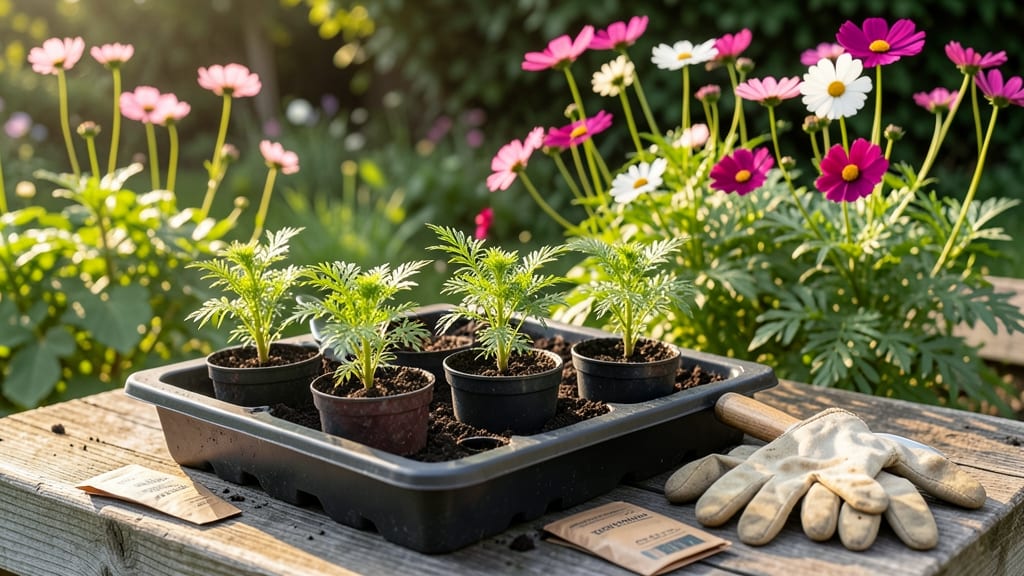
Planting flower seeds in July can still deliver fast color if you pick the right heat-loving varieties 🌸 — like cosmos, zinnias, and sunflowers — and follow the right techniques.
Here’s the catch: most gardeners stop planting after the last frost, but July is actually a great time to add summer blooms without waiting for spring. The secret? Choosing seeds that germinate quickly in warm soil and using shade cloth or mulch to keep them happy until they take root.
Whether you’re working in Zone 6a or a hotter climate, the right approach makes all the difference. Below, I’ll walk you through the top 10 fast-growing flowers for July, soil prep tricks, and watering schedules that prevent seedling stress.
By the end, you’ll know exactly which seeds to grab, how deep to plant them, and how to keep your garden bursting with color all season long.


Top 10 fast-germinating flower seeds for July planting
July is the perfect time to transform your garden into a vibrant summer paradise—but only if you choose the right fast-germinating flower seeds. With heat-tolerant varieties that sprout in under 10 days, you can enjoy nonstop blooms from midsummer through fall.
These quick-sprouting annuals and perennials thrive in warm soil and bright sunlight, making them ideal for July plantings.
I’ve curated this list based on germination speed, heat tolerance, and ease of care. Whether you’re a beginner or a seasoned gardener, these flowers will reward you with bold colors and minimal fuss.
Let’s dive into the top 10 seeds to plant in July for instant summer charm!
⚠️ PRO TIP: Always check your local last frost date (even in summer) and monitor soil temperatures—most seeds need soil that’s at least 60°F (15°C) for reliable germination.
My top pick for fastest germination is cosmos, which often pops up in just 3–7 days and thrives in poor soil. For bold colors, zinnias and marigolds are unbeatable—they’ll bloom nonstop from July through frost if you deadhead spent flowers.
If you want edible blooms, nasturtiums and sunflowers are dual-purpose superstars
How to maximize germination success in hot July conditions
July's scorching temperatures can turn seed germination into a risky gamble, but with the right approach, you can coax even the most stubborn seeds to sprout. The key lies in understanding how heat stress affects seeds and adjusting your methods accordingly.
Unlike spring planting, July seeds need special care to prevent drying out or overheating before they even break soil.
Start by selecting seeds proven to thrive in warm-season conditions. Varieties like cosmos, zinnias, and sunflowers germinate quickly in heat, often within 5-7 days. These heat-lovers outperform cool-season flowers that may rot or fail to sprout when soil temperatures exceed 85°F. Choose wisely to avoid disappointment.
⚠️ WARNING: July Heat Hazards
Prepare your seedbed with moisture-retentive soil mixed with compost to improve water retention. Avoid fresh mulch, which can create a heat barrier. Instead, use a light layer of straw (1 inch) to shield seeds from direct sun while allowing airflow.
This balance keeps humidity high enough for germination without trapping heat.
Watering becomes an art in July—too much causes fungal issues, too little leads to desiccation. Morning watering is critical: aim for 1-2 inches of water per week, delivered slowly to penetrate soil without runoff.
Use a fine mist setting on your hose or soaker hose to avoid displacing seeds. Check moisture daily by touching the soil; it should feel like a damp sponge, not mud.
Adjust seed depth based on soil temperature. In hot conditions, plant seeds shallower than recommended—just 1/8 inch deep for small seeds like marigolds—to help them escape heat stress.
Larger seeds (like sunflowers) can go 1/2 inch deep, but always firm soil gently after planting to ensure contact with moisture.
Monitor your seedbed closely for signs of stress like cracked soil or wilting seedlings. If temperatures exceed 90°F for multiple days, provide 30% shade cloth during peak afternoon sun (1 PM - 4 PM).
Consider using black plastic mulch to warm soil slightly for slower germinators, but remove it once sprouts appear to prevent overheating.