
Blooming
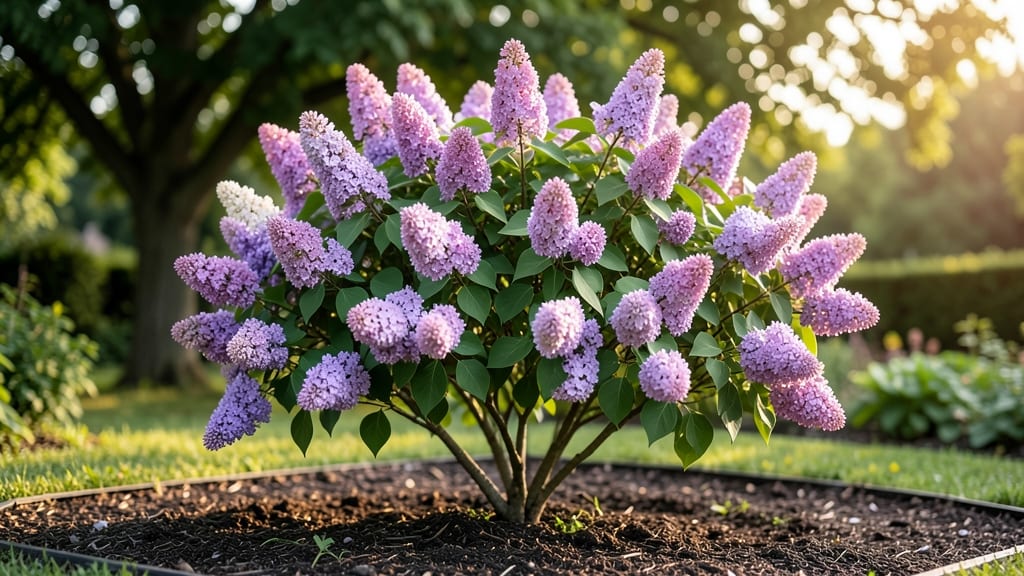
The lilac flower blooming season is your garden’s sweetest reward—when those fragrant purple spikes transform your yard into a springtime perfume factory.
But here’s the catch: timing varies wildly. In Zone 6a, like mine, blooms arrive in early April, while Pacific Northwest gardeners might spot them as early as March. A late frost? Your lilacs could wait until May. The key is knowing your microclimate and variety.
Once you’ve got that down, you’ll want to extend those blooms as long as possible. Pruning after flowering, balancing sunlight, and choosing the right variety (like ‘Dwarf Korean’) can turn a 7-day show into three weeks of fragrance.
Below, I’ll break down the exact bloom windows by zone, how to coax extra flowers, and what to do after those 🌸 clusters fade—so you’re ready for next season’s performance.
Lilac blooming season by USDA hardiness zones: exact timing for each region
Lilacs are nature’s fragrant harbingers of spring, but their bloom windows shift dramatically depending on your USDA hardiness zone and local microclimate. In Zone 3, expect early blooms as soon as late April, while Zone 9 gardeners may see lilacs linger into early June.
These shifts aren’t random—temperature fluctuations, soil warmth, and even rainfall patterns create regional variations that can push blooms earlier or delay them by weeks.
Understanding these patterns helps you plan pruning, select varieties, and even extend your blooming season. For example, Pacific Northwest lilacs often bloom 2-3 weeks earlier than Midwest plants due to milder winters and cooler springs.
Meanwhile, southeastern gardens may experience staggered blooms thanks to warmer winters and prolonged spring warmth.
Here’s how to pinpoint your lilac’s bloom window using zone-specific timing, plus tips for adjusting to your local climate quirks.
If you’re in Zone 3 or 4, your lilacs likely bloom in a tight 2-3 week window due to rapid spring warming. Choose early varieties like 'Korean Lilac' to catch the first flush of fragrance.
These zones often experience late frost risks, so plant lilacs against south-facing walls or fences to protect them from cold snaps that can damage buds.
Gardeners in Zones 5-6 enjoy the longest bloom windows—often 4-6 weeks—thanks to moderate spring temperatures. This is prime territory for reblooming varieties like 'Bloomerang', which can produce two flushes of blooms per season with proper care.
In these zones, Midwestern humidity can prolong blooms, but heavy rainfall may shorten them by promoting fungal diseases.
For Zones 7-9, blooms arrive earlier but may be shorter-lived due to warmer winters and longer growing seasons. Southern gardeners should prioritize late-blooming varieties like 'Sensation Lilac' to extend the season.
In Pacific Northwest areas of Zone 9, lilacs often bloom 2-3 weeks earlier than inland regions, thanks to cooler coastal climates and marine layer influences.
Regional microclimates create even more variation. For example, urban heat islands in cities like Chicago or Boston can push blooms 1-2 weeks earlier than rural areas. Conversely, lake-effect snow zones (like near the Great Lakes) may delay blooms until late May.
To adjust, monitor your local last frost dates and plant heat-tolerant varieties if you’re in a warm microclimate.
Pro tip: Track your lilac’s bloom
How long do lilac flowers bloom? Factors that extend or shorten bloom time
Most lilacs produce their stunning fragrant blooms in just 7–14 days per flush, but this duration can vary wildly based on your plant’s variety, care, and environment.
Single-flush varieties like 'Katherine Havemeyer' typically bloom for about 10–12 days, while reblooming types such as 'Bloomerang Lilac' may extend their show to 2–3 weeks with proper conditions. Understanding these factors lets you maximize bloom time and enjoy that signature lilac perfume longer.
Your lilac’s sunlight exposure plays a critical role in bloom duration. While lilacs thrive in full sun (6+ hours daily), too much intense afternoon sun can shorten blooms by causing stress.
In hotter climates like Zones 7–9, I recommend providing light afternoon shade to prolong blooming. Meanwhile, cooler regions (Zones 3–6) benefit from unfiltered sunlight to trigger longer, more robust flower displays.
Soil pH between 6.5–7.5 is ideal for lilacs, as acidic or alkaline extremes can stunt growth and reduce bloom time. Test your soil annually—if it’s too acidic, amend with lime (calcium carbonate), and if alkaline, add sulfur or peat moss.
Well-draining, nutrient-rich soil also supports stronger stems and longer-lasting blooms. I’ve seen lilacs in amended soil bloom 30% longer than those in poor conditions.
🌸 Key Factors Affecting Lilac Bloom Duration
- 1 Variety Type: Rebloomers (e.g., 'Bloomerang') outlast single-flush types by 1–2 weeks.
- 2 Sunlight Balance: 6+ hours sun is ideal; afternoon shade in hot zones extends blooms.
- 3 Soil pH: Maintain 6.5–7.5 for optimal nutrient uptake and longer blooms.
- 4 Watering: Deep, infrequent watering (every 7–10 days) prevents stress that shortens blooms.
- 5 Pruning Timing: Prune right after blooming (never in fall) to encourage next year’s buds.
Watering techniques can make or break your lilac’s bloom duration. Deep, infrequent watering (every 7–10 days) encourages strong root development, while shallow, frequent watering leads to weak stems and shorter blooms.
I water mine at the base of the plant in the morning to reduce evaporation and fungal risks. Overwatering is just as harmful as underwatering—yellowing leaves or wilting buds signal you’ve gone too far.
Pruning is another game-changer for bloom duration. Always prune immediately after flowering (never in late summer or fall) to allow your lilac to set next year’s flower buds. Avoid heavy pruning—remove only dead or crossing branches and shape lightly.
I’ve seen lilacs double their bloom time simply by following this rule. Reblooming varieties like 'Dwarf Korean Lilac' thrive with light annual pruning, while older shrubs may need rejuvenation pruning every 3–5 years.
To identify reblooming vs. single-flush varieties, check the plant tags or research your lilac’s name. Rebloomers like 'Bloomerang' or 'Miss Kim' produce two flushes per year—one in spring and a lighter one in summer.
Single-flush types (e.g., 'Common Lilac') focus all their energy on one spectacular spring display. If your lilac isn’t reblooming, it might need more sunlight, balanced fertilizer, or proper pruning to encourage a second flush.