
Blooming
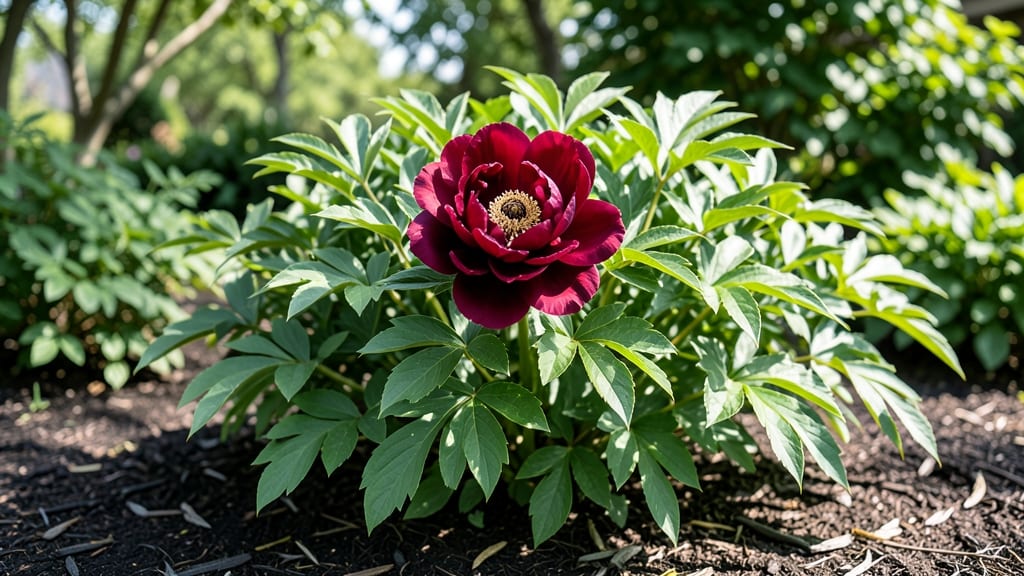
The peony flower blooming season transforms gardens into fragrant, colorful havens with their lush petals 🌸.
But here’s the catch: timing varies wildly depending on your USDA zone, and missing the window means waiting another year for those showstopping blooms.
Whether you’re in Zone 3 or Zone 9, knowing the exact months to expect your peonies can mean the difference between a garden full of life and one that feels like it’s playing catch-up.
This guide breaks down the month-by-month blooming windows for every major zone, plus the simple care tweaks that can push your peonies into bloom earlier—or keep them flowering longer. No more guessing when to expect those iconic blooms or how to coax them into performing their best.
Ready to transform your garden into a peony paradise? Let’s dive into the exact timing and tricks you need to make sure your plants are bursting with color right when you want them.
Peony blooming season by USDA Zone: month-by-month guide
Peonies are one of the most eagerly awaited spring blooms, but their exact timing varies dramatically across USDA zones 3-9. Understanding your local bloom window helps you plan for peak fragrance, cutting arrangements, and even pest management.
In colder zones like Zone 3, buds may not emerge until late May, while Zone 9 gardeners often see flowers as early as February. These differences stem from chilling requirements and warmth triggers unique to each region.
Even within a single zone, microclimates can shift bloom times by weeks. A peony bed near a south-facing wall might bloom 10-14 days earlier than one in an open meadow. Elevation also plays a role—mountain zones often experience delayed blooms compared to valley gardens at the same latitude.
To maximize your peony's potential, track local frost dates and last spring freeze averages for your specific area.
Comparison of Peony Blooming Seasons by USDA Zone
| USDA Zone | Early Bloomers | Peak Bloom | Late Bloomers | Key Factors |
|---|---|---|---|---|
| Zone 3 | Late May | Mid-June | Early July | Long chilling needs |
| Zone 4 | Early May | Late May | Mid-June | Moderate chilling |
| Zone 5 | Mid-April | Early May | Late May | Balanced climate |
| Zone 6 | Late March | Mid-April | Early May | Mild winters |
| Zone 7 | February | March | Early April | Short chilling |
| Zone 8 | January | February | March | Minimal chilling |
| Zone 9 | December | January | February | Tropical influence |
In Zone 3, where winters are harsh, pe
How to extend your peony’s blooming season naturally
Peonies are famous for their lush, fragrant blooms, but their short blooming window can feel disappointing. The good news? With a few natural adjustments, you can coax your peonies to bloom earlier and longer—without chemicals.
The key lies in pruning timing, soil health, and light exposure. Let’s dive into proven techniques to transform your garden into a longer-lasting peony paradise.
First, understand that peonies thrive on consistent care throughout the year. Their blooming season is directly tied to root development from the previous fall and winter. By optimizing their nutrient intake, watering schedule, and light exposure, you can push their blooms to start sooner and last longer.
Even a 5-7 day extension means more time to enjoy their vibrant colors and intoxicating scent.
- Prune in late fall or early spring – Cut back dead foliage after first frost or in February to prevent disease buildup and encourage new growth.
- Add compost in early spring – Mix 2-3 inches of compost into the soil to boost phosphorus levels, which fuels bloom production.
- Water deeply in late summer – Soak the roots every 10-14 days to build root reserves for next year’s blooms.
- Ensure full sun exposure – Peonies need 6+ hours of sunlight daily; prune nearby trees if shade is blocking light.
- Avoid over-fertilizing – Too much nitrogen leads to leafy growth at the expense of flower buds.
Let’s start with pruning timing, which is often misunderstood. Many gardeners prune peonies too late, accidentally removing next year’s flower buds.
These buds form on the current year’s stems in late summer, so wait until after the first frost or in early spring (February-March) to trim back dead foliage. This ensures you’re not sacrificing future blooms for a cleaner look now.
Next, focus on soil amendments to give your peonies the nutrients they crave. In early spring, work 2-3 inches of compost or well-rotted manure into the soil around the base.
Peonies love phosphorus-rich soil, which encourages stronger root systems and larger blooms. Avoid fresh manure, as it can burn roots and disrupt blooming cycles.
Your watering schedule plays a surprising role in extending blooms. While peonies are drought-tolerant once established, they need deep watering in late summer (August-September) to build root reserves.
Water every 10-14 days until the soil is 6 inches deep. This hydration boost helps peonies store energy for earlier and more abundant blooms the following spring.
Finally, don’t overlook light exposure. Peonies are sun-worshippers and need 6+ hours of direct sunlight daily. If nearby trees or structures are casting too much shade, prune them back or relocate your peonies to a sunnier spot.
Even an extra hour of sunlight can make a difference in bloom duration and vibrancy. Mulch around the base with organic matter to retain moisture and regulate soil temperature.
With these natural techniques, your peonies will reward you with earlier, longer-lasting blooms year after year. The secret is patience and consistency—peony care is a long-term investment that pays off in stunning, fragrant displays. Happy gardening! 🌸