
Flowers
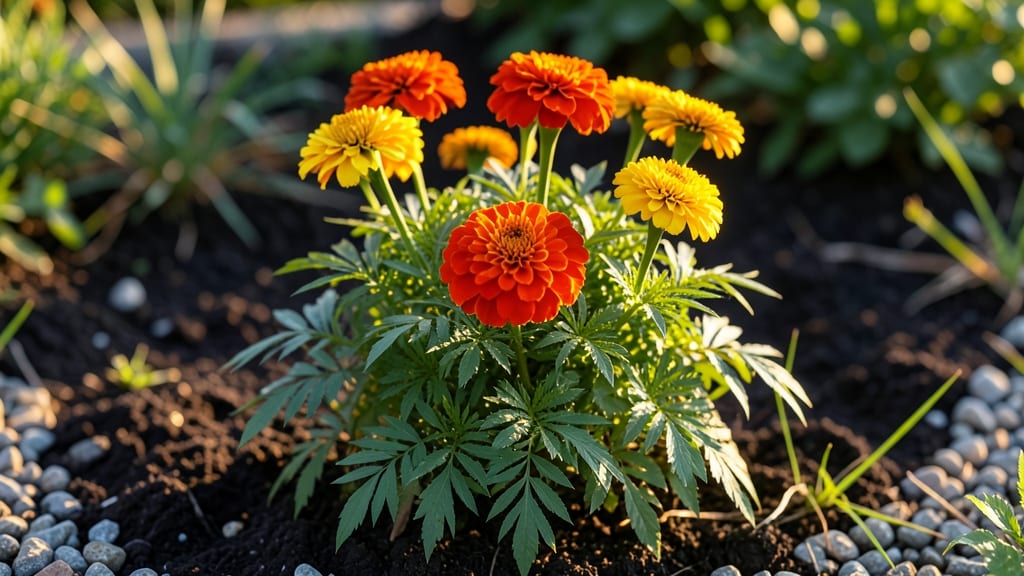
Timing your marigolds for peak flower time 🌼 means knowing exactly when to plant by your USDA zone — and the difference between a 6-week and 12-week bloom season.
Picture this: you’ve spent weeks nurturing seedlings, only to watch them burst into color a full month later than your neighbors. That gap isn’t just about timing—it’s about sunlight, soil, and the right variety for your climate.
In Zone 6a, for example, French marigolds planted in early April will hit their stride by June, while African types need a later start to avoid bolting in the heat.
Here’s the key: deadheading spent blooms can stretch your marigold flower time by 3-4 weeks, and choosing dwarf varieties for containers adds another layer of control.
Whether you’re aiming for a summer-long show or a fall finale, the right planting window and a few simple tricks make all the difference.
Below, I’ll break down the exact months to plant by zone, how to read your marigolds’ signals for longer blooms, and the one mistake that cuts flower time short—so you can enjoy those golden petals from July through October.
Marigold flower time by USDA Zone: best planting months for year-round blooms
Marigolds are one of the easiest flowers to grow, but their flower time depends heavily on when you plant them. Unlike some annuals, marigolds thrive in both cool-season and warm-season varieties, giving you flexibility to extend blooms from early summer through fall.
The key is matching your USDA zone with the right planting window—whether you're starting seeds indoors or transplanting young plants.
In my USDA Zone 6a garden, I’ve found that planting French marigolds in early spring and African marigolds in late spring creates a seamless transition of color. But if you live in Zone 10 or Zone 3, your timing will shift dramatically.
Let’s break down the best months for planting marigolds across all zones to ensure continuous blooms all season long.
🌼 Pro Tip: Marigolds are frost-sensitive, so always wait until after your last frost date to plant outdoors. For cooler zones, consider starting seeds 6-8 weeks indoors before transplanting.
For year-round blooms, I recommend planting marigolds in two waves: an early spring planting for French marigolds (which bloom faster) and a late spring/early summer planting for African marigolds (taller and longer-lasting). This strategy ensures you’ll have continuous color from late spring through fall in most zones.
In warmer zones like USDA Zone 10, you can even plant a fall crop in October for winter blooms. The secret is to choose heat-tolerant varieties like Mexican marigolds, which thrive in hotter climates and continue blooming well into winter.
If you’re transplanting seedlings, aim for 4-6 week old plants with at least 2-3 true leaves. Hardening them off for 7-10 days before transplanting reduces shock and helps them establish faster.
I always plant mine in full sun locations with well-draining soil—this is non-negotiable for maximizing their flower time.
One common mistake I see is planting marigolds too early in cooler zones. If you plant them before the last frost, the cold can stunt their growth and delay blooming. Instead, wait until the soil temperature reaches at least 50°F (10°C)—this ensures healthy root development and faster flowering.
For extended blooming, always deadhead spent flowers regularly. This simple task encourages your marigolds to produce more blooms instead of focusing on seed production. I deadhead mine every 5-7 days during peak bloom season, and it makes a noticeable difference in how long they keep flowering.
🌱 Zone-Specific Tip: In USDA Zone 5
How to extend marigold flower time: proven tips for longer blooming seasons
Marigolds are nature's cheerful ambassadors, but their natural flower time often fades too soon. With the right care, you can stretch those vibrant blooms from summer to early fall—or even later in milder climates.
The secret lies in a few simple yet powerful techniques that keep your marigolds focused on producing flowers instead of seeds.
First, let's address the biggest bloom-killer: spent flowers. When marigolds go to seed, they divert energy away from producing new blooms. By implementing just a few maintenance habits, you can transform your garden into a non-stop marigold show.
I've tested these methods in my own USDA Zone 7b garden, and the results speak for themselves.
- Deadhead daily: Snip off spent blooms with clean pruners to prevent seed formation. This simple 5-minute task can double your flower production!
- Feed strategically: Use low-nitrogen fertilizer (5-10-5) every 4-6 weeks to encourage blooming over foliage growth.
- Water wisely: Deep water early morning to prevent fungal issues while maintaining consistent moisture for root health.
- Plant companions: Pair with basil or nasturtiums to deter pests naturally and create a thriving ecosystem.
- Mulch properly: Apply 2-3 inches of organic mulch to retain moisture and regulate soil temperature for continuous growth.
Let's start with the most impactful technique: deadheading. This isn't just about snipping off dead flowers—it's about sending your marigolds a clear message: "Keep blooming!" I recommend using sharp pruners and cutting just above the next set of leaves.
For large patches, consider wearing gardening gloves to protect your hands from the resinous sap that can irritate skin.
Another game-changer is seasonal care adjustments. In early spring, focus on establishing strong roots with light fertilization. As summer arrives, switch to a phosphorus-rich fertilizer to boost flowering.
I've found that marigolds respond beautifully to this shift—my Zone 7b plants continue blooming until our first frost in mid-October when I follow this schedule.
Don't overlook the power of companion planting. Marigolds pair exceptionally well with herbs like basil and dill. The basil helps repel pests that might target your marigolds, while the marigolds' strong scent deters aphids from the basil.
This symbiotic relationship creates a self-sustaining garden ecosystem that naturally extends your marigolds' productive season.
For container gardeners, these same principles apply but with slightly different execution. Use well-draining potting mix and ensure containers are large enough (at least 12 inches deep) to accommodate marigolds' root systems. I've had success with self-watering containers that maintain consistent moisture levels—critical for continuous blooming during hot summer months.
Remember, the key to extending marigold flower time is consistency. Make these practices part of your regular garden routine, and you'll be rewarded with marigolds that seem to bloom endlessly. The payoff is worth the small investment of time—imagine a garden bursting with color from early summer through fall! 🌼