
Mower
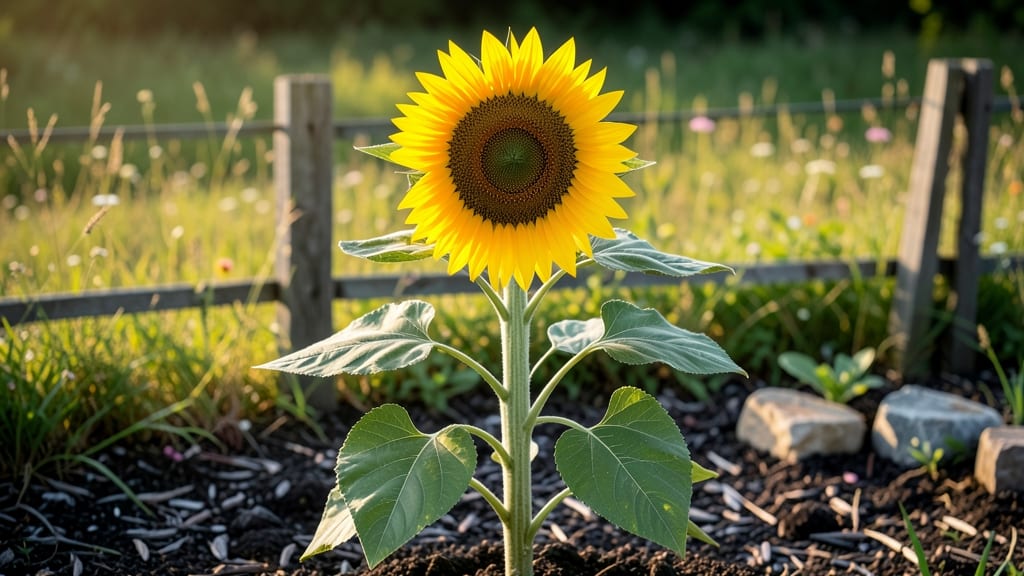
The Mongolian Giant Sunflower can reach heights of 12 to 15 feet—taller than a basketball hoop and nearly as tall as a two-story house!
Imagine a sunflower so towering it eclipses your house—these giants grow up to 4 inches per day in ideal conditions, making them the fastest-growing sunflowers around. But how do you get them to reach their full potential without bending or breaking?
Most gardeners underestimate the space these plants need, leading to overcrowding or flimsy stems that snap in wind. The key lies in spacing, soil prep, and strategic staking—all of which I’ll break down so your 🌻 Mongolian Giant Sunflower stands proud and proud.
You’ll learn the exact planting distance, when to fertilize for maximum height, and how to support them without damaging their growth. By the end, you’ll know exactly how to grow a sunflower that turns heads—and blocks the view of your neighbors!

How tall do Mongolian Giant sunflowers grow? Realistic height expectations
If you’ve ever dreamed of growing a sunflower that could double as a backyard skyscraper, the Mongolian Giant sunflower (Helianthus annuus 'Mongolian Giant') delivers—literally. These towering beauties can reach 12 to 15 feet tall, making them the tallest common sunflower variety.
But their growth isn’t just about height; it’s about speed and sheer vertical dominance. With the right conditions, they can grow up to 4 inches per day during peak season, turning your garden into a sunflower jungle in just a few months.
The average mature height for Mongolian Giants falls between 10 and 14 feet, though well-cared-for specimens can easily surpass 15 feet under ideal conditions. This makes them taller than a basketball hoop (10 feet) and comparable to a two-story house (12-15 feet).
Their rapid growth and impressive stature make them a favorite for gardeners who want to make a bold statement—or simply marvel at nature’s engineering.
🌱
| Growth Stage | Height Range | Time to Reach | Key Growth Factors |
|---|---|---|---|
| Seedling | 0.5–2 ft | 2–4 weeks | Soil warmth, consistent moisture |
| Vegetative | 4–8 ft | 4–6 weeks | Full sun, nutrient-rich soil |
| Flowering | 8–12 ft | 8–10 weeks | Deep watering, staking support |
| Mature | 12–15 ft | 10–12 weeks | Wind protection, balanced fertilization |
The growth rate of Mongolian Giant sunflowers is nothing short of remarkable. During their vegetative stage (the period before flowering), these sunflowers can shoot up 2 to 3 feet per week under optimal conditions.
This rapid ascent is fueled by their deep taproots, which access water and nutrients far below the surface. However, their speed doesn’t come without challenges—wind damage and poor soil drainage can stunt their growth or even snap their stalks.
To achieve their full height potential, Mongolian Giants need 6 to 8 hours of direct sunlight daily. Without enough light, their stems will grow weak and leggy, failing to reach their towering heights.
Additionally, well-draining soil enriched with compost or a balanced fertilizer (like a 5-10-10 NPK mix) provides the nutrients they crave. Skimping on nutrients can leave your sunflowers stunted, while over-fertilizing with nitrogen can result in lush foliage but fewer blooms.
💧
Watering plays a critical role in their vertical growth. While Mongolian Giants are drought-tolerant once established, they require deep, consistent watering—especially during their first few weeks. Aim for 1 to 2 inches of water per week, delivered in the early morning to reduce evaporation and fungal risks.
Overwatering can lead to root rot, while underwatering stresses the plant and slows its ascent. A mulch layer around the base helps retain moisture and regulate soil temperature, further supporting their rapid growth.
One of the biggest challenges with growing 12-foot sunflowers is providing structural support. Without proper staking, the weight of the flower head and heavy stems can cause them to topple over.
Use bamboo stakes or metal cages inserted into the soil at planting time, gently tying the stems to the support as they grow. This not only prevents breakage but also encourages straighter, stronger growth.
In windy areas, consider additional windbreaks or planting in sheltered spots to protect your giants from damage.
🪴
Soil quality is the foundation of their towering success. Mongolian Giants thrive in loamy, well-draining soil with a pH between 6.0 and 7.5. Heavy clay soils can restrict root growth, while sandy soils may not retain enough moisture.
Amending your soil with compost or aged manure before planting gives their roots the boost they need to support their massive stature. If your garden soil is less than ideal, consider planting in raised beds filled with a mix of topsoil, compost, and perlite for optimal drainage and aeration.
Finally, don’t expect every Mongolian Giant to reach 15 feet—genetics, environmental conditions, and care all play a role. However, with the right sunlight, soil, water, and support, you can coax these sunflowers to heights that will leave your neighbors in awe.
Just imagine the conversation starter when your sunflowers tower over your fence line or even peek into second-story windows!
3 Proven tips to maximize Mongolian Giant sunflower height in your garden
Want to grow sunflowers that dwarf your fence and make neighbors jealous? The Mongolian Giant sunflower can reach 12-15 feet tall with the right care. These giants grow 4 inches per day under ideal conditions, but most gardeners never see their full potential.
The secret lies in three key strategies: planting depth, soil nutrition, and watering discipline. Let me show you how to unlock their towering growth.
First, plant seeds at the perfect depth—1 inch deep, not the shallow ½ inch many gardeners use. Deeper planting encourages stronger root systems that anchor these 12-foot stalks against wind.
I’ve seen plants double their height just by adjusting this one factor. Pair that with well-draining soil mixed with compost, and you’re setting the stage for rapid vertical growth.
Your soil mix makes or breaks these giants. I blend 50% garden soil with 30% compost and 20% perlite to ensure proper drainage while retaining moisture. A balanced fertilizer (5-10-10 NPK) applied at planting and again when plants hit 2 feet tall gives them the boost they need.
Skip this step, and you’ll end up with leggy, weak stalks that flop over.
Watering is where most gardeners fail. These sunflowers need 2,000ml of water per plant, delivered deeply 2-3 times weekly during their growth phase. I water mine at 7 AM to prevent fungal diseases while keeping roots hydrated.
Overwatering? That’s just as bad—poor drainage causes root rot, which stunts growth. Always check soil moisture before watering.
Avoid these height killers: planting too close together (keep 3 feet between stalks), using synthetic fertilizers that burn roots, or letting them grow in shady spots. I once saw a 14-foot sunflower wilt because its neighbor was planted too close—overcrowding steals nutrients and sunlight.
Give them space, and they’ll reward you with record-breaking heights.
With these three tips, you’ll watch your Mongolian Giants shoot toward the sky like never before. Start with deep planting, feed them nutrient-rich soil, and water deeply and consistently.
Before you know it, you’ll have sunflowers that make your 12-foot fence look tiny—and that’s a sight every gardener dreams of. 🌻