
Shrubs
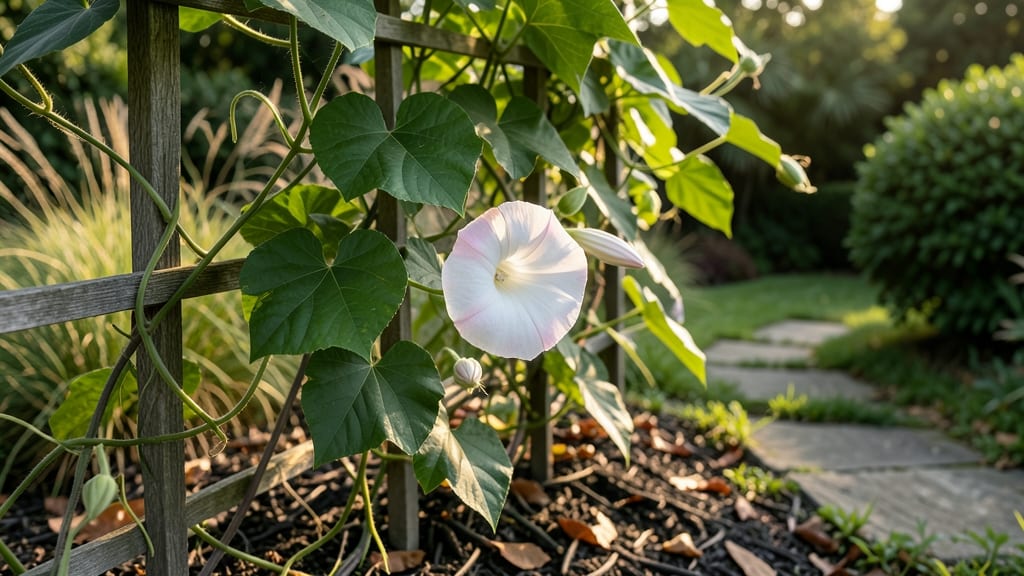
Growing a moonflower 🌙 in the right balance of sun or shade is the secret to those dreamy nighttime blooms that turn your garden into a moonlit wonderland.
Here’s the catch: too much sun and your vines scorch; too little, and the flowers never open. I’ve seen both disasters firsthand—weak, leggy vines in deep shade and crispy leaves under harsh afternoon rays. The key? A sweet spot that changes with your climate and season.
In this guide, I’ll break down exactly how much light your moonflower needs to thrive, from full sun to dappled shade, plus how to adjust for your region. You’ll also learn how to spot light stress early and fix it before your vines give up.
Ready to unlock those fragrant nighttime blooms? Let’s get your moonflower the perfect light setup for stunning, reliable flowers every summer.
 Best Window Placement
Moonflower sun requirements: how much light for peak blooming?
Moonflowers (Ipomoea alba) thrive on a delicate balance of light—too much sun scorches their leaves, while too little shade stunts their growth and blooms. The key is providing 4-6 hours of morning sun followed by afternoon shade, especially in hot climates.
This mimics their natural tropical habitat where they avoid intense midday rays.
In cooler regions like USDA Zones 6-9, moonflowers handle full sun exposure (6+ hours) with ease, producing more abundant night-blooming flowers. However, in sweltering areas like the Southwest, afternoon shade becomes critical to prevent leaf burn and wilting vines.
Here’s the breakdown of ideal light conditions—including regional adjustments—to maximize your moonflower’s nocturnal beauty:
| Light Condition | Sun Hours/Day | Best For | Regional Notes |
|---|---|---|---|
| Full Sun (6+ hours) | 6-8 hours | Cooler climates (Zones 6-8) | Morning sun only; avoid afternoon heat |
| Partial Sun (4-6 hours) | 4-6 hours | Hot climates (Zones 9-11) | East-facing trellis for morning light |
| Partial Shade (2-4 hours) | 2-4 hours | Indoor/container gardens | Supplemental grow lights needed for blooms |
| Deep Shade (<2 hours) | <2 hours | Avoid (minimal blooms) | Leggy growth; no flowers |
For container gardens, place your moonflower near an east-facing window or balcony to capture morning sunlight while shielding it from afternoon heat. If growing indoors, supplement with a grow light for 6-8 hours daily to mimic natural conditions and encourage blooming.
Seasonal adjustments are crucial: In summer months, provide afternoon shade using a sheer curtain or lattice trellis. During spring and fall, when days are milder, moonflowers tolerate full sun without risk of scorching.
One common mistake is planting moonflowers in west-facing locations, where they receive harsh afternoon sun. This causes leaves to yellow and crisp at the edges—a sure sign of light stress. Instead, opt for east-facing trellises or dappled shade from nearby trees.
If your moonflower isn’t blooming, check its light exposure first. Leggy vines with few flowers often mean it’s not getting enough light, while brown leaf tips indicate too much sun. Adjust gradually—moonflowers adapt best to slow changes in light conditions over 1-2 weeks.
Pro tip: Train your moonflower to climb a rotating trellis (like a DIY wooden spiral) to maximize light exposure as it grows taller. This ensures even sunlight distribution and prevents shaded spots on the vine.
🌙
Shade-tolerant moonflower varieties: can they grow without direct sun?
Not all moonflowers need blazing sun to thrive! While Ipomoea alba (the classic white moonflower) loves full sun, some varieties adapt beautifully to shade.
The key is choosing the right species and creating ideal growing conditions. Ipomoea nil, for example, handles partial shade better than its sun-loving cousins, making it perfect for patios or under trees.
Shade-tolerant moonflowers may produce fewer blooms, but they’ll still grow lush vines with occasional nighttime flowers. The trick is providing bright, indirect light—think dappled sunlight filtering through leaves. For container gardens, place them near east-facing windows where morning light gently warms the soil.
Here’s how to spot shade-compatible moonflowers: Look for darker green leaves and slower growth rates. These plants often have larger, glossier foliage to capture scattered light. Varieties like 'Moonlight' Ipomoea are bred for adaptability, thriving even in 3-4 hours of daily light.
Moonflower in Shade: Pros & Cons
Pros
- ✅ Less heat stress in hot climates
- ✅ Works in containers on patios
- ✅ Fewer pests like aphids
- ✅ Adapts to urban gardens under trees
Cons
- ❌ Fewer nighttime blooms (1-2 flowers/week)
- ❌ Slower vine growth (3-5 ft/year vs. 8+ ft)
- ❌ Needs extra nutrients for foliage
- ❌ May flop without support in low light
To maximize shade-grown moonflowers, use reflective surfaces like white walls or mirrors to bounce light onto vines. A 5-gallon container with moisture-retentive soil (add perlite for drainage) keeps roots happy. For vertical spaces, train vines on obelisks or trellises—even in shade, they’ll climb toward light sources.
If your moonflower struggles in shade, try supplemental grow lights (LED bulbs work best) for 4-6 hours daily. Place lights 12-18 inches above the plant to mimic natural sunlight. Avoid overhead lighting, which can scorch delicate leaves. With patience, your shade-loving moonflower will reward you with occasional moonlight displays.
Remember: Even shade-tolerant moonflowers need 6+ hours of indirect light to thrive. If your space gets less than 3 hours, consider sun-loving alternatives like morning glories. But with the right variety and care, your moonflower can still shine—even under the tree canopy! 🌿