
Shrubs
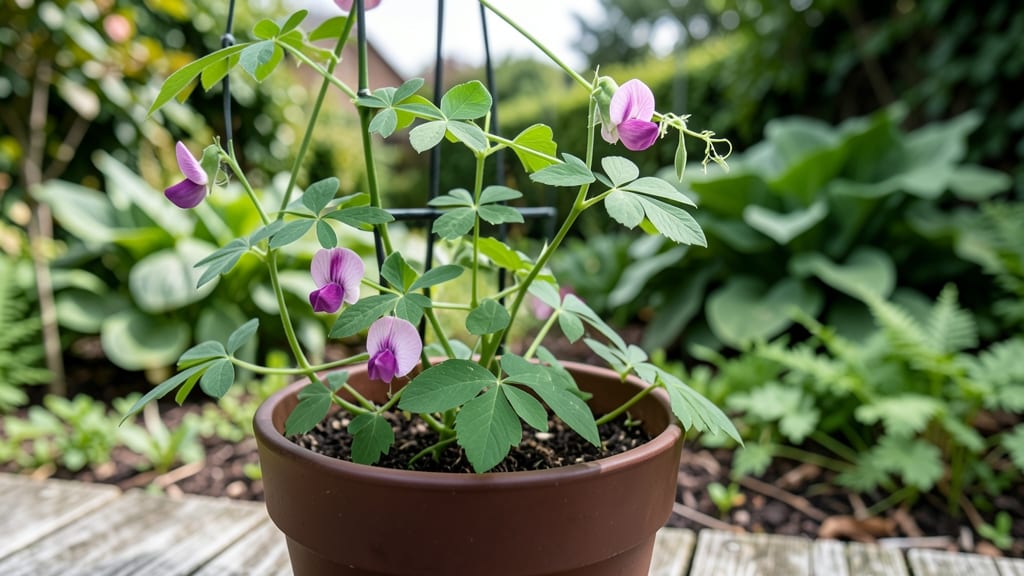
A pink flowering peach tree with fragrant blooms isn’t just a dream—it’s a fragrant, fruit-bearing reality you can grow in your own backyard, even in Zone 6.
Picture this: the air thick with sweet blossoms in spring, followed by juicy peaches ripening in summer. The catch? These trees demand more than just sunshine—they need the right soil, spacing, and care to thrive year after year.
Whether you’re dreaming of a small orchard or a single showstopper in your garden, I’ll walk you through every step—from planting in spring to pruning for maximum blooms and protecting them through winter.
By the end, you’ll know exactly how to coax pink flowers, fragrant blooms, and even fruit from your peach tree, no matter your space or experience level.
How to choose and plant pink flowering peach trees for maximum blooms
Pink flowering peach trees are a gardener’s dream—combining stunning pink blossoms with delicious fruit. But to get those abundant blooms and healthy trees, you need the right variety and planting techniques.
These trees thrive in the right conditions but struggle when planted incorrectly. Let’s dive into how to choose and plant them for maximum beauty and productivity.
The first step is selecting a disease-resistant variety like 'Bonanza' or 'Redhaven', both known for their vibrant pink flowers and reliable fruit production. Avoid varieties prone to peach leaf curl or bacterial spot, which can devastate blooms.
Check your USDA hardiness zone—most pink flowering peaches thrive in zones 5-9, so choose a variety suited to your climate.
Timing is everything! Plant your bare-root trees in early spring, after the last frost but before buds swell. This gives roots time to establish before summer heat. If you’re in a warmer zone, fall planting is also an option, but spring is ideal for most gardeners.
Step-by-Step Planting Guide
- Step 1: Choose a sunny location with 6+ hours of sunlight and well-draining soil. Avoid low spots where water pools.
- Step 2: Dig a hole twice as wide as the root ball but no deeper. Loosen the sides to encourage root spread.
- Step 3: Mix compost or aged manure into the native soil to improve fertility. Peach trees love slightly acidic to neutral soil (pH 6.0-7.0).
- Step 4: Place the tree in the hole so the graft union is 2-3 inches above soil level. This prevents rot and ensures proper growth.
- Step 5: Backfill with soil, tamping gently to remove air pockets. Water deeply to settle the roots.
- Step 6: Apply 2-3 inches of mulch around the base, keeping it 6 inches from the trunk to prevent rot.
- Step 7: Space trees 15-20 feet apart for standard varieties or 10-12 feet for dwarf types to allow airflow and reduce disease risk.
Proper soil preparation is non-negotiable. Pink flowering peaches hate soggy roots, so amend heavy clay with sand or perlite to improve drainage. A soil test will tell you if you need to adjust pH or nutrients—peaches thrive with balanced nitrogen, phosphorus, and potassium.
If your soil is poor, consider planting in a raised bed for better control.
After planting, water deeply once a week for the first month to help roots establish. Avoid overhead watering, which can spread fungal diseases. Instead, use a drip irrigation system or soaker hose to deliver water directly to the root zone. This keeps leaves dry and reduces bacterial spot risks.
Pruning isn’t just for shaping—it’s essential for maximizing blooms. In late winter or early spring, remove dead, crossing, or weak branches to improve airflow. Thin out crowded branches to let sunlight reach the inner canopy, where most flowers form.
Avoid heavy pruning in fall, as it can stimulate new growth that won’t harden off before winter.
For container growing, choose a dwarf variety like 'Bonanza' and use a large pot (at least 20 gallons) with drainage holes. Place the container in a south-facing spot and fertilize regularly, as potted trees deplete nutrients faster.
Container-grown peaches may not fruit as heavily, but they’ll still reward you with gorgeous pink blossoms.
Remember, the key to abundant pink blooms is patience and consistency. Your tree may take 2-3 years to mature enough for full flowering, but with the right care, it’ll become a fragrant centerpiece in your garden.
Start with the right variety, plant correctly, and give it the love it deserves—your future peach harvest (and neighbors!) will thank you.
Year-round care tips to keep pink flowering peach trees thriving
Your pink flowering peach tree can become the star of your garden with the right seasonal care. These trees thrive when you tailor your approach to each season’s needs, from spring blooms to winter protection.
The key is balancing pruning for airflow, fertility for fruit production, and pest prevention to keep your tree healthy and fragrant year after year.
Seasonal maintenance isn’t just about cutting branches—it’s about creating the perfect environment for your tree to bloom abundantly and produce juicy peaches. I’ve learned that skipping even one step can lead to fewer flowers or poor fruit quality.
Let’s break down what to do each season to maximize both beauty and harvest.
In spring, focus on pruning for blooms and early fertilization to kickstart growth. I’ve found that removing old, woody branches encourages new shoots, which means more pink blossoms in the following season. Apply a balanced fertilizer like 10-10-10 to support both foliage and fruit development.
During summer, your tree’s needs shift to deep watering and pest monitoring. Peach trees are particularly vulnerable to peach tree borers and aphids during this time.
I recommend checking the bark and undersides of leaves weekly. If you spot any pests, act quickly with organic sprays to avoid damage.
As fall approaches, reduce fertilization and focus on light pruning to remove any dead or diseased branches. This is also the time to mulch heavily around the base of the tree to insulate roots from winter cold.
I’ve seen trees thrive for decades with proper fall care, so don’t skip this step!
When winter arrives, your peach tree enters dormancy, but it still needs protection. Wrap the trunk with burlap to prevent sun scald and cracking. Avoid heavy mulching, as too much moisture can rot the roots. A 3-inch layer of mulch is ideal for insulation without suffocating the tree.
With these year-round care tips, your pink flowering peach tree will reward you with fragrant blooms and sweet peaches for years to come. The secret is consistency