
Blooming
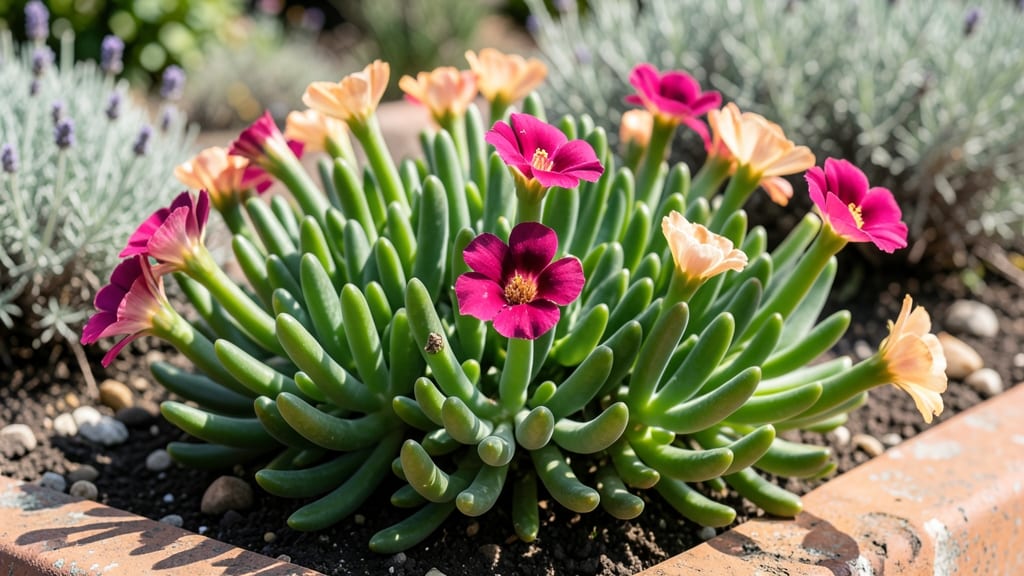
The Portulaca flower season arrives with a splash of color that lasts from late spring through summer's peak—if you know how to coax it.
Picture this: bright pinks, fiery oranges, and sunny yellows popping up effortlessly in your garden, only to fade too soon. That’s the classic Portulaca 🌸 dilemma—short-lived blooms that vanish faster than you’d like.
But with the right timing and care, you can stretch that vibrant display from June all the way to September.
This little sun-lover thrives in USDA Zone 6 and beyond, but its blooming window shifts depending on where you live. In tropical climates, expect near year-round flowers, while cooler regions see a more defined summer rush.
The key? Planting in March or April when soil warms up and giving it just enough water to keep it happy without drowning it.
Below, I’ll walk you through the exact timing for your area, plus pro tips to extend blooms—like deadheading spent flowers and picking the right soil. No guesswork, just longer-lasting color that keeps your garden buzzing all season.
Portulaca flower season: exact timing and climate dependencies
Portulaca, or Moss Rose, thrives in summer heat but has a surprisingly short bloom window if not timed correctly. The exact flowering season depends on your USDA hardiness zone and local climate.
In most regions, blooms appear 6-8 weeks after planting, but early or late varieties can shift this timeline by 2-3 weeks.
For gardeners in USDA Zones 8-11, portulaca blooms year-round with minimal breaks, while Zones 3-7 see peak flowering from late May through September. The key trigger? Consistent temperatures above 70°F (21°C)—below that, blooms slow dramatically.
Even in warm zones, cool snaps can stall flowering for 1-2 weeks.
🌱
| USDA Zone | Bloom Window | Temperature Trigger | Climate Notes |
|---|---|---|---|
| Zones 3-5 | Late June – Early September | 75°F+ (24°C+) | Short season; plant after last frost (May) |
| Zones 6-7 | Early May – October | 65°F+ (18°C+) | Extended blooms with summer heat |
| Zones 8-9 | March – November | 60°F+ (15°C+) | Near-continuous blooms; minimal dormancy |
| Zones 10-11 | Year-round (peaks summer) | 55°F+ (13°C+) | Heat-tolerant; thrives in desert climates |
In cooler coastal regions (e.g., Pacific Northwest), portulaca may bloom 2-4 weeks later than inland areas due to milder daytime temps. For example, San Francisco (Zone 10) sees blooms from April to November, while Phoenix (Zone 10) enjoys year-round color.
The difference? Sun intensity—coastal areas need supplemental heat (like black containers) to trigger blooms.
For extended displays, time planting by variety. Early bloomers like 'Sunset Portulaca' start in late spring, while 'Moss Rose' peaks in mid-summer. Succession planting—sowing seeds every 2 weeks—ensures continuous blooms from May to frost in temperate zones.
Direct sunlight is non-negotiable: Portulaca needs 6+ hours of full sun daily to set buds. In shadier spots (e.g., partial afternoon sun), blooms appear sparser and smaller.
Test your spot with a sun gauge—if shadows linger past 4 PM, relocate plants to a south-facing bed or container.
Heat waves can stress portulaca, causing blooms to close prematurely. In 100°F+ (38°C+) temps, provide light afternoon shade (e.g., lace curtain) to prevent bud drop.
Mulch with gravel or straw to keep roots 5°F cooler than surface temps—this trick works especially well in desert landscapes.
Frost sensitivity varies by maturity: Seedlings die at 32°F (0°C), but established plants tolerate brief chills to 28°F (-2°C). In Zones 3-6, treat portulaca as an annual—plant after May 15 and harvest seeds before October 1 to replant next year.
In warmer zones, overwintering is possible with light winter mulch.
Pro tip: Deadhead spent blooms daily to redirect energy to new flowers. In my Zone 7 garden, this simple step extends blooming by 3-4 weeks. Pair with a balanced fertilizer (5-10-10) every 4 weeks during peak season for vibrant, long-lasting blooms.
🌻
How to extend portulaca blooms: pruning, deadheading, and care tips
Portulaca flowers may seem low-maintenance, but a few simple techniques can transform their short-lived blooms into a continuous summer display. The key lies in understanding their natural growth patterns and providing just the right care at the right time.
Unlike many annuals, portulaca responds beautifully to gentle encouragement—think light pruning and strategic deadheading rather than heavy-handed interventions.
Many gardeners overlook the importance of timing when it comes to portulaca care. For example, removing spent blooms too aggressively can signal the plant to focus on seed production instead of producing more flowers. The secret is balancing encouragement with respect for the plant's natural rhythm.
Let me walk you through the proven methods that have kept my portulaca patches in full bloom for up to 3 months longer than average.
🌸 Portulaca Bloom Extension Guide
- 1 Deadhead daily during peak bloom (June-August) by pinching off spent flowers with your fingers. This prevents seed formation and redirects energy to new blooms.
- 2 Prune lightly in late afternoon when plants are least stressed. Trim 1/3 of the plant every 4-6 weeks to encourage bushier growth and more flower production.
- 3 Fertilize monthly with low-nitrogen fertilizer (5-10-10) during active blooming months (May-September). Over-fertilizing leads to leafy growth at the expense of flowers.
- 4 Water deeply early morning (6-8 AM) to prevent fungal issues. Portulaca's succulent stems store water, so avoid soggy soil—water only when top 1 inch feels dry.
- 5 Rotate containers every 2-3 days if growing in pots to ensure even sunlight exposure. This prevents one-sided growth and maximizes flower production across the entire plant.
One common mistake I see is over-pruning portulaca. These plants are naturally low-growing and spreading, so aggressive trimming can stress them into producing fewer blooms.
Instead, focus on selective deadheading—removing only the most obviously spent flowers while leaving some to set seed naturally. This balances regrowth with flower production.
For container-grown portulaca, I've found that mixing in perlite (20% of the soil) improves drainage and prevents root rot, which can cut bloom time short.
The succulent nature of portulaca makes it surprisingly drought-tolerant once established, but consistent moisture during the first 4-6 weeks after planting encourages stronger root development and more robust flowering.
If your portulaca starts producing long, leggy stems with fewer flowers, it's likely not getting enough light. These plants thrive in full sun (6+ hours daily) and will stretch toward light sources if shaded.
In my Zone 8 garden, I've had success using reflective surfaces (like white gravel) beneath containers to bounce extra light onto the plants.
Remember, portulaca's natural bloom cycle is morning-focused—flowers open wide in the early hours and close by mid-afternoon.
To maximize their display, plant them where they'll be visible in morning light, such as near east-facing windows or patio areas where you'll enjoy their vibrant colors first thing. 🌸