
Blooming
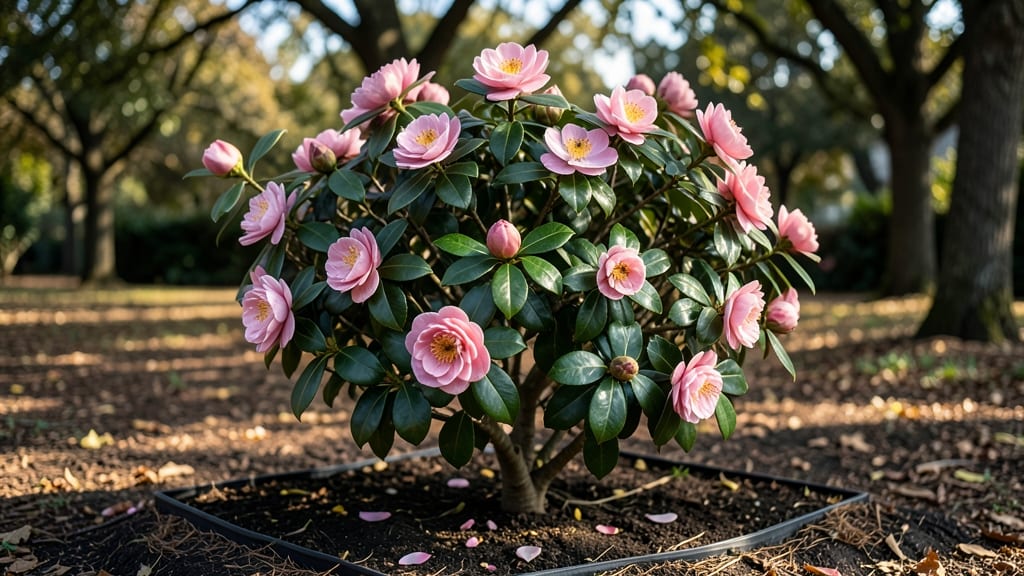
The camellia flowering season is the highlight of a garden’s winter and spring, turning shrubs into living art with their 🌸 blooms—but timing it right depends on your zone.
Picture this: a chilly December morning, and your Camellia sasanqua bursts into pink or white flowers while neighbors still shiver through bare branches. That’s the magic of winter-blooming varieties thriving in USDA Zones 7-10, where mild coastal climates like California’s extend the show into early spring.
But not all camellias bloom at the same time. Some varieties, like the ‘Yuletide’, start as early as November, while others peak in March.
Climate, soil pH, and even pruning habits can shift those windows—so knowing your plant’s personality is key to planning pruning, companion plantings, and even holiday decor around their 4-8 week displays.
In this guide, I’ll break down the blooming calendar by zone, share pro tips to coax extra flowers, and help you pick varieties that keep your garden in bloom from fall to spring—no frost required.
Camellia flowering season by USDA hardiness Zone: when to expect blooms
Camellias are famous for their winter and spring blooms, but the exact timing depends heavily on your USDA hardiness zone.
In Zone 7, you might catch early blooms as soon as October, while Zone 10 gardens can enjoy camellias flowering year-round with peak displays in winter and early spring. The key difference? Cooler climates trigger blooms earlier, while milder zones stretch the season.
Most gardeners focus on two iconic camellia types: Camellia japonica (late winter to spring) and Camellia sasanqua (fall to early winter). My Pacific Northwest garden in Zone 8 typically sees sasanqua blooms in November, followed by japonica in February.
Meanwhile, in Southern California (Zone 10), these varieties often overlap, creating a stunning 6-month display from October to March.
Regional microclimates also play a role. Coastal areas like San Francisco or Savannah, Georgia, benefit from milder winters, pushing blooms earlier. Inland zones, like Atlanta (Zone 7b), may experience delayed blooms until late December due to colder snaps.
Understanding these nuances helps you plan companion plants and garden activities around camellia season.
| Zone | Camellia Type | Peak Bloom Months | Regional Notes |
|---|---|---|---|
| 7 | Camellia sasanqua | October - November | Early blooms; frost-sensitive |
| 7 | Camellia japonica | February - March | Needs winter chill; prune after blooms |
| 8 | Camellia sasanqua | November - December | Overlaps with holiday lighting |
| 8 | Camellia japonica | January - February | Cooler winters extend blooms |
| 9 | Camellia sasanqua | December - January | Mild winters; year-round interest |
| 9 | Camellia japonica | February - March | Late frosts may delay blooms |
| 10 | Both types | October - March | Year-round blooms possible |
If you live in Zone 7, aim to plant sasanqua varieties like ‘Bonanza’ or ‘Yuletide’ for early fall color. These cold-hardy beauties often bloom before japonica types, giving you a head start on the season.
In Zone 8, varieties like ‘Shishigashira’ (japonica) shine in February, while ‘Tulipii’ (sasanqua) adds late-November interest.
For Zone 9 gardeners, the transition between sasanqua and japonica blooms creates a seamless display. My neighbor in Orange County swears by ‘April Tricks’ (japonica) for its springtime reblooming, while ‘Kiri no Yama’ (sasanqua) keeps things lively in December.
In Zone 10, the season never truly ends—expect continuous blooms from fall through spring with proper care.
One common misconception is that camellias only bloom once per season. While japonica types typically produce one flush of flowers, some reblooming varieties (like ‘Spring’s Promise’) can deliver two cycles if given the right conditions.
The trick? Prune after blooms to encourage new growth and maintain acidic soil (pH 5.0-6.0) to support bud formation.
Regional climate quirks can shift these timelines. In the Pacific Northwest, foggy winters may delay japonica blooms until late February, while Southern U.S. heatwaves in Zone 9 can cause bud drop if plants aren’t adequately watered.
Always monitor your local microclimate—a sheltered spot near a south-facing wall can push blooms earlier in cooler zones.
To maximize your camellia’s display, plant companion flowers that bloom before and after camellias. Winter jasmine (January-February) pairs beautifully with early japonica blooms, while azaleas (spring) extend the season.
In Zone 7, I’ve had success with heaths (fall) leading into sasanqua season. This layered approach ensures your garden stays vibrant year-round.
Remember, camellias need patience—it can take 3-5 years for mature blooms after planting. But once established, a well-cared-for camellia will reward you with 4-8 weeks of stunning flowers**, depending on the variety. Whether you’re
How to extend your camellia’s flowering season with pruning and care
Camellias are famous for their long-lasting blooms, but with the right care, you can push those show-stopping flowers to last even longer. The secret lies in a combination of strategic pruning, soil adjustments, and seasonal maintenance.
Whether you're in Zone 7 or Zone 10, these tips will help your camellias put on a longer, more vibrant show each year.
One of the biggest mistakes gardeners make is pruning at the wrong time. Timing is everything—cutting back too late can remove next year’s buds, while pruning too early can stress the plant.
The key is to prune right after flowering but before new buds form. This ensures you’re shaping the plant without sacrificing future blooms.
- 1. Prune after blooms fade to encourage new growth and next year’s buds. Use clean, sharp shears to avoid tearing branches.
- 2. Maintain acidic soil (pH 5.0-6.0) with peat moss or sulfur—alkaline soil starves camellias of nutrients.
- 3. Water deeply but infrequently—1-2 gallons per watering in the morning to prevent fungal issues.
- 4. Mulch heavily in winter (Zone 7) with pine straw or bark to protect roots from freezing temperatures.
- 5. Feed lightly in spring with 8-3-9 fertilizer (acid-loving formula) to support bud formation.
For gardeners in Zone 7, winter protection is critical. Camellias in colder zones need a thick mulch layer (3-4 inches) around the base to insulate roots. Wrap young plants in burlap or use frost blankets during hard freezes to prevent bud damage.
Even established plants benefit from a light frost cloth during unexpected cold snaps.
Another game-changer is fertilizing at the right time. Over-fertilizing in summer can lead to lush foliage but fewer blooms. Instead, focus on a light feeding in early spring (after last frost) and a second dose in late summer to encourage next year’s buds.
Use an acid-loving plant formula like 8-3-9 to keep soil conditions ideal.
Don’t forget about light exposure. While camellias thrive in partial shade, they still need 4-6 hours of morning sun to set buds properly. Avoid placing them in deep shade, which can lead to sparse flowering.
If your camellia isn’t blooming as expected, check its location—more light often means more flowers.
With these adjustments, your camellias will reward you with longer, more abundant blooms year after year. The key is consistency: prune at the right time, maintain acidic soil, and protect from extreme weather.
Soon, your garden will be the envy of the neighborhood with camellias in full, extended glory. 🌸