
Flowers
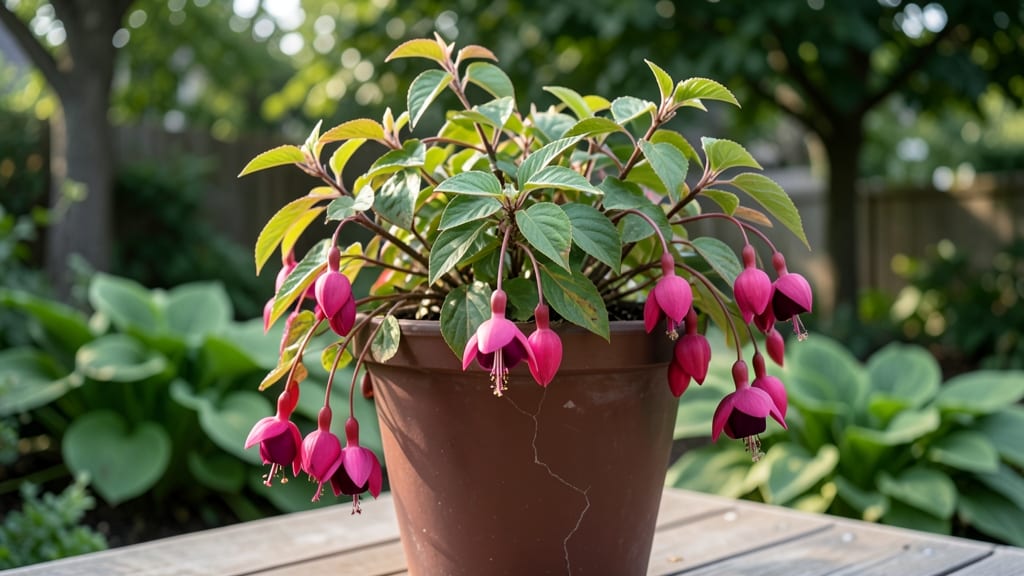
Purple fuchsia flowers bring a dramatic pop of color to gardens while luring hummingbirds with their sweet nectar—making them a must-have for pollinator-friendly landscapes.
If you crave vibrant blooms that hummingbirds can’t resist, purple fuchsia flowers are your secret weapon—adding year-round color while drawing pollinators to your garden with irresistible nectar.
These delicate yet bold blooms thrive in hanging baskets, window boxes, or borders, where their trailing vines create a cascading effect. Whether you’re dressing up a patio or framing a garden path, they offer versatility and seasonal interest from spring through fall.
Below, I’ll share the top purple varieties that attract hummingbirds, how to grow them for maximum impact, and design tips to make your garden a buzzing paradise.
Top 7 purple fuchsia varieties that thrive in gardens and attract hummingbirds
Purple fuchsia flowers are a gardener’s dream—vibrant, nectar-rich blooms that hummingbirds adore. These 7 standout varieties offer a mix of trailing cascades and upright forms, perfect for hanging baskets, window boxes, or garden borders.
Each cultivar brings unique shades of purple, from deep velvety tones to soft lavender hues, ensuring your garden stays lively from spring to frost. Let’s explore the best picks that guarantee hummingbird traffic and season-long color.
When selecting purple fuchsias, consider your garden layout and climate zone. Most thrive in USDA zones 6-11, but some varieties handle cooler temperatures better. Trailing types like 'Royal Purple' spill beautifully from containers, while upright varieties like 'Giant Marble' add structure to borders.
All produce high-nectar flowers, making them irresistible to hummingbirds—especially when planted near native pollinator-friendly plants like salvias or bee balm.
Here’s a quick look at what sets these varieties apart: bloom size, growth habit, and hummingbird appeal. Whether you’re a container gardener or designing a pollinator paradise, these purple fuchsias deliver year-round interest with minimal effort.
Ready to transform your garden into a hummingbird hotspot? Let’s dive into the details.
| Variety | Growth Habit | Bloom Color | Hummingbird Rating | Hardiness Zones | Best For |
|---|---|---|---|---|---|
| Royal Purple | Trailing (2-3 ft) | Deep purple | ⭐⭐⭐⭐⭐ | 6-11 | Hanging baskets |
| Giant Marble | Upright (2-3 ft) | Lavender-purple | ⭐⭐⭐⭐ | 7-11 | Garden borders |
| Purple Splendor | Trailing (1-2 ft) | Violet-pink | ⭐⭐⭐⭐⭐ | 8-11 | Window boxes |
| Lady Boothby | Upright (2 ft) | Magenta-purple | ⭐⭐⭐⭐ | 6-11 | Cut flowers |
| Bow Bells | Trailing (1-2 ft) | Purple-pink | ⭐⭐⭐⭐⭐ | 7-11 | Containers |
| Thryallis | Upright (3 ft) |
How to grow purple fuchsias for maximum blooms and hummingbird visitsPurple fuchsias are one of the most rewarding flowers to grow, offering vibrant blooms that hummingbirds adore. To ensure your plants thrive and attract these tiny pollinators, start with the right conditions. These beauties love moist, well-draining soil enriched with organic matter, which mimics their natural habitat in temperate forests. Without proper soil prep, you’ll struggle to get those continuous purple blooms you’re dreaming of. Another critical factor is sunlight. While fuchsias tolerate partial shade, they need at least 4-6 hours of morning sun to set buds. Too much afternoon sun can scorch their delicate leaves, so choose a spot with dappled sunlight or filtered light. If you’re growing them in containers, place them where they’ll get gentle morning rays and afternoon shade—this balance is key for hummingbird-friendly blooms.
🌸 Step-by-Step Guide to Growing Purple Fuchsias 🌸
Pruning is where many gardeners go wrong—especially when it comes to purple fuchsia flowers. These plants bloom on new wood, so avoid heavy pruning in late summer or fall, as this can cut off next year’s blooms. Instead, focus on light pruning throughout the season to remove dead or leggy stems. In early spring, give your fuchsias a harder prune to shape them and encourage dense, bushy growth packed with hummingbird-luring blooms. Seasonal care is non-negotiable for year-round blooms. In spring, focus on root establishment with light feeding and consistent watering. By summer, increase watering (especially in heatwaves) and deadhead regularly to keep flowers coming. As fall approaches, reduce fertilizing and prepare for winter by cutting back growth and protecting plants from frost. Hummingbirds will find your garden irresistible if you follow these tips. Purple fuchsias produce nectar-rich flowers that these birds can’t resist, and their vibrant color makes them stand out in any landscape. Pair your fuchsias with complementary plants like salvias or penstemons to create a pollinator paradise that thrives from spring to frost. With the right care, your purple fuchsias will reward you with non-stop blooms and a constant hummingbird visitors. Start small with a few plants in containers, then expand as you master the art of growing these elegant, purple beauties. Your garden—and the hummingbirds—will thank you! 🌿✨ |