
Blooming
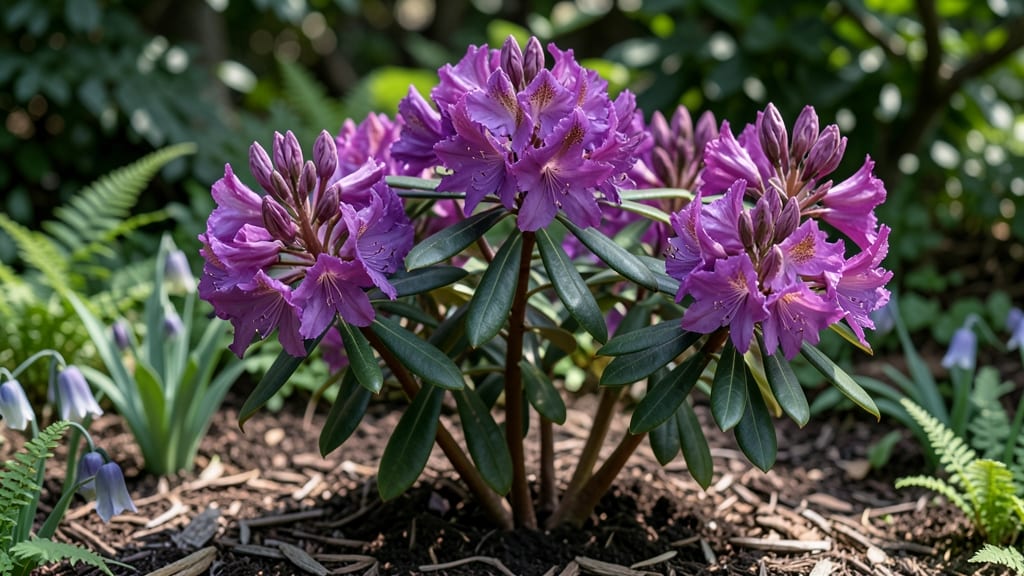
Rhododendron flowering periods vary dramatically by variety and climate zone, turning a simple spring bloom into a carefully timed garden highlight.
Timing your rhododendron blooms perfectly means understanding how climate zones and specific varieties dictate their flowering windows—get it wrong, and you might miss the spectacular spring show entirely.
In USDA Zone 6a, where many gardeners live, most rhododendrons burst into color between late April and early May, but cooler zones can delay blooms until June, while warmer regions may see flowers as early as March.
Below, I’ll break down the exact months for popular varieties, how to adjust care for your zone, and three simple tricks to extend those vibrant 🌸 displays for weeks longer than usual.
Exact rhododendron flowering months by variety (early, mid, late season)
Timing your rhododendron blooms perfectly starts with knowing your specific variety and USDA hardiness zone. While most rhododendrons burst into color in late spring, some early bloomers surprise us with March flowers, while late-season varieties linger into June.
Understanding these windows helps you plan your garden's seasonal showstopper. For example, my 'Nova Zembla' rhododendron always steals the show in April, while my 'Catawbiense' waits until May—a full month difference!
Rhododendrons thrive in USDA zones 4-9, but their blooming periods shift dramatically across regions. In Zone 4, early varieties may wait until late May due to frost risks, while Zone 9 gardeners might see blooms as early as February.
Even within the same zone, microclimates—like a sheltered garden spot—can push blooms 2-3 weeks earlier. My Zone 6 garden sees 'Elizabeth' rhododendrons bloom in mid-April, but a neighbor's south-facing slope version flowers by late March.
Here’s how to navigate the three flowering categories—early, mid, and late season—with exact month ranges for popular varieties, adjusted for USDA zones 4-9. This table will help you time your garden visits or plan companion plants for maximum impact.
| Variety | Flowering Period (Zones 4-5) | Flowering Period (Zones 6-7) | Flowering Period (Zones 8-9) | Notes |
|---|---|---|---|---|
| 'Nova Zembla' | Late April - Early May | Mid-April - Late April | March - Early April | Early bloomer; pink flowers |
| 'Catawbiense' | Late May - Early June | Mid-May - Late May | April - Mid-May | Late-season; purple blooms |
| 'Elizabeth' | Early May - Mid-May | Late April - Early May | March - Late April | Mid-season; white flowers |
| 'PJM' | Mid-May - Late May | Early May - Mid-May | April - Early May | Cold-hardy; lavender blooms |
| 'Roseum Elegans' | Late April - Early May | Mid-April - Late April | February - March | Early bloomer; pink buds |
If you're in Zone 4 or 5, focus on late April to early June for the best rhododendron displays. My 'PJM' variety, for example, waits until mid-May to bloom, making it a reliable late-season performer.
In warmer zones (8-9), you can enjoy rhododendrons as early as February, with some varieties like 'Roseum Elegans' offering winter-to-spring blooms. This extended season is perfect for gardeners who want year-round color.
For mid-season bloomers like 'Elizabeth', timing is critical. In Zone 6, these rhododendrons typically flower in late April, but a late frost can delay blooms until early May.
To protect your plants, I always monitor the National Weather Service frost predictions and keep a lightweight frost cloth
How climate zones shift rhododendron blooming timelines (Zone 4 vs. Zone 9)
Climate zones dramatically impact when your rhododendrons bloom, with Zone 4 gardeners often waiting until late May for color, while Zone 9 enthusiasts may see flowers as early as February.
These shifts occur because colder zones need chilling hours to break dormancy, while warmer zones face heat stress risks that delay flowering. Understanding these patterns helps you predict—and even influence—your rhododendron's timeline.
In Zone 4, late frosts can push blooms into June, while Zone 9 plants may start flowering in late winter but risk bud drop if temperatures spike too early.
The key difference lies in frost sensitivity versus heat tolerance, both of which directly affect your plant's ability to set and maintain buds. Let’s break down how these factors play out in each zone.
🌱
| Factor | Zone 4 (Cold Climate) | Zone 9 (Warm Climate) |
|---|---|---|
| Blooming Window | Late May - Early June | February - March |
| Key Trigger | Chilling hours (400-600) | Day length + mild temps |
| Frost Risk | High (late frosts common) | Low (buds may drop if too warm) |
| Heat Stress | Minimal (cooler summers) | High (buds may abort if >90°F) |
| Prediction Tip | Track last frost date | Monitor daytime temps |
In Zone 4, rhododendrons rely on chilling hours—typically 400-600 hours below 45°F—to break dormancy and trigger blooming. If winters are unusually warm, your plant may not get enough chilling, causing delayed or sparse flowers.
Meanwhile, Zone 9 plants bloom earlier because they respond to day length and mild temperatures rather than cold exposure. However, if daytime temps exceed 90°F before buds open, your rhododendron may drop flowers entirely.
To predict shifts in your area, check your USDA hardiness zone and note local microclimates. For example, a Zone 5 garden near a large body of water might experience earlier blooms than inland areas.
Similarly, Zone 8 gardens in desert regions may see delayed flowering due to heat stress, while coastal Zone 8 areas might bloom closer to Zone 9 timelines. Always account for 3-4 weeks of buffer time for unexpected frost or heatwaves.
If you’re in Zone 4 and want to encourage earlier blooms, consider selecting early-flowering varieties like 'PJM' or 'Nova Zembla,' which tolerate colder climates better. For Zone 9 gardeners, provide afternoon shade to protect buds from heat stress, and mulch heavily to maintain soil moisture.
These adjustments can help you align blooming periods with your local climate, ensuring you never miss the show.
Remember, rhododendrons are resilient, but their flowering timelines are deeply tied to your climate. By understanding these shifts, you can plan your garden around their natural rhythms—and even tweak conditions to get the most vibrant display possible. Happy gardening! 🌿