
Blooming
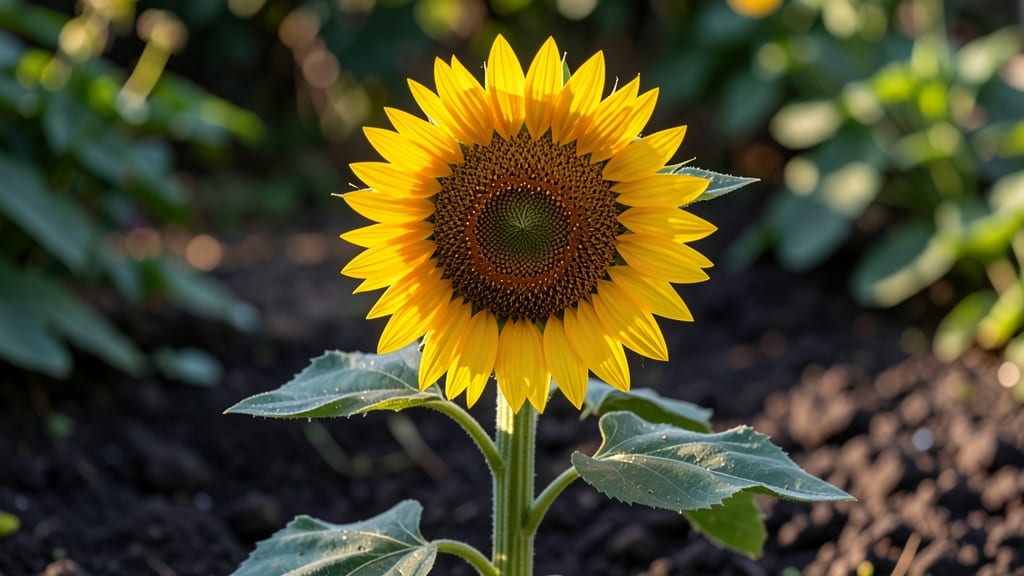
Sunflowers bloom in 50 to 120 days after planting, depending on the variety and growing conditions—the sunflower bloom time can shift your garden’s summer highlights from early July to late October.
Picture this: you’ve just tucked in those 🌻 seeds in April, and now you’re eyeing your calendar, wondering if your towering giants will still be in full glory by Labor Day. The truth?
Some varieties burst into color in as little as 6 weeks, while others take nearly four months to reach their golden peak. That’s why knowing your sunflower’s bloom timeline is the key to planning your garden’s star moments.
Climate plays a huge role—whether you’re in USDA Zone 6a or further south, the last frost date and summer heat can push blooms earlier or delay them.
But here’s the good news: with the right variety and a few care tweaks, you can extend that show from mid-summer straight into fall. Let’s break down how to predict—and even control—your sunflowers’ bloom time, so you’re never left waiting.
From Mammoth varieties that take their time to Teddy Bear sunflowers that bloom in a flash, we’ll cover the exact months to expect color, plus pro tips to nudge your plants along—whether you’re chasing an early harvest or a late-season spectacle. Ready to turn your garden into a sunflower stage?
Sunflower bloom time by variety: fastest to slowest flowering types
If you're eager to see those golden sunflower blooms light up your garden, timing is everything. Some varieties burst into color in as few as 50 days, while others take nearly 120 days to reach their full glory.
The key lies in choosing the right sunflower variety for your growing season and climate zone. Whether you're planning a late-summer display or an early fall harvest, understanding each variety's bloom timeline will help you make the most of your garden space.
For gardeners in USDA Zone 6a (like much of the Midwest), most sunflowers thrive when planted in April or May, after the last frost. However, some fast-flowering varieties can even be sown in late June for a fall show.
The secret to success? Matching your planting window with the variety's days to maturity ensures you won't miss the bloom. Let's dive into the fastest and slowest sunflowers to grow, so you can plan your garden like a pro.
The ProCut 'Moulin Rouge' variety is the fastest bloomer, reaching maturity in just 50-55 days. This makes it ideal for gardeners who want a quick burst of color or need to squeeze in a late-season planting. Its compact size also makes it perfect for container gardening or small spaces.
If you're aiming for a summer-long display, varieties like Sunrich 'Evening Sun' or Sunspot are excellent choices, blooming in 55-60 days and providing vibrant flowers from July through August.
For a classic sunflower experience, the Teddy Bear variety is a crowd-pleaser. With a 60-65 day bloom time, it's perfect for early summer gardens and even makes a great cut flower. Its dwarf stature (2-3 ft) also makes it easier to manage in windy areas.
If you're dreaming of towering sunflowers that reach for the sky, the Mammoth 'Russian Giant' is the variety for you—but be prepared to wait 100-120 days for those dramatic blooms. These giants need plenty of space and support, so plan accordingly.
Choosing the right sunflower variety isn't just about bloom time—it's also about aligning your planting schedule with your garden's microclimate.
For example, in warmer southern regions, you might push the planting window later into June for fall blooms, while in cooler northern zones, an early April start ensures you catch the summer peak.
Pay attention to your last frost date and count backward from the variety's days to maturity to determine the best time to sow seeds.
Don't forget that soil preparation and sunlight exposure play critical roles in speeding up or slowing down bloom times. Well-draining soil rich in organic matter helps roots establish quickly, while 6-8 hours of full sun daily ensures robust growth. If you're in a shadier
Month-by-month sunflower growth stages: what to expect each season
Sunflowers are one of the most rewarding summer flowers to grow, but their bloom time can vary dramatically depending on when you plant and your local climate.
From the first cotyledon leaves to a towering full bloom, understanding each growth stage helps you predict—and even influence—when those cheerful faces will greet you. Let’s break down what to expect month by month in USDA Zone 6a, where most gardeners plant sunflowers between April and May.
In cooler climates, sunflowers may take 100-120 days to reach full bloom, while warmer regions can see blooms in as few as 60-80 days. The key stages—germination, vegetative growth, and flowering—are all influenced by temperature, sunlight, and soil conditions.
For example, planting Teddy Bear varieties in late May might delay blooms until early September, while Mammoth types started in April could flower by mid-July. Let’s dive into the timeline.
- 1. April-May: Germination & Cotyledons – Seeds sprout in 7-14 days if soil stays 60°F+. First 2 leaves (cotyledons) appear, followed by true leaves in 2-3 weeks.
- 2. June: Rapid Stem Growth – Stems elongate 1-2 inches per day in full sun. Side buds form at leaf nodes; prune extras to focus energy on the main bloom.
- 3. July: Bud Formation – Flower buds swell visibly; petals begin unfolding. Dwarf varieties may bloom first, followed by tall types 1-2 weeks later.
- 4. August: Full Bloom – Petals fully open; center disc becomes dense. Peak bloom lasts 10-14 days before petals droop. ProCut varieties stay fresh longest.
- 5. September-October: Seed Maturation – Petals fall; seed heads dry. Harvest seeds when back turns brown and they rattle when shaken. Save seeds for next year!
Climate plays a huge role in these timelines. In warmer southern regions, sunflowers may bloom 4-6 weeks earlier than in cooler northern zones. For example, a Sunrich variety planted in Zone 8 could flower by June, while the same variety in Zone 4 might not bloom until August.
To adjust, consider using row covers in spring to warm the soil faster or planting earlier-maturing varieties like Autumn Beauty for extended blooms.
Pay attention to your sunflowers’ leaf color and stem strength—yellowing leaves or weak stems can signal nutrient deficiencies or pests, which can delay blooming. For instance, a nitrogen deficiency (pale green leaves) might slow growth, while aphids can stunt buds.
Regularly check the undersides of leaves and treat issues early to keep your sunflowers on track for their peak bloom time.
One of my favorite tricks to extend the sunflower bloom season is to succession plant every 2-3 weeks from April through June. This ensures a continuous display from early July through October.
For example, plant a batch of Teddy Bear sunflowers in late April, another in early May, and a final batch in late May. Each group will bloom sequentially, giving you months of color instead of just a few weeks.
Remember, sunflowers are photoperiod-sensitive, meaning they rely on daylight length to trigger flowering. In longer summer days, they’ll bloom faster, while shorter days in fall can delay or prevent blooming entirely.
If you’re in a short-day region (like the Deep South), choose day-neutral varieties like ProCut or Moulin Rouge for reliable blooms regardless of daylight changes.